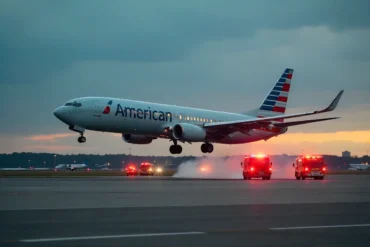
A routine domestic flight turned into a highly unusual airborne emergency when an American Airlines Airbus A321 experienced a critical electrical failure shortly after departure from Philadelphia International Airport. The incident forced the aircraft’s emergency power system to activate and ultimately led the crew to divert to Baltimore/Washington International Thurgood Marshall Airport, where the jet landed safely despite operating under severely degraded cockpit conditions.
American Airlines Flight AA1193 had departed Philadelphia bound for Salt Lake City International Airport on the evening of March 5, 2026. The aircraft, an Airbus A321-200 registered N556UW, left the gate roughly 45 minutes later than scheduled following reported maintenance activity before departure. While the delay appeared routine at the time, the flight would soon face a far more serious technical challenge once airborne.
Approximately 20 minutes after takeoff, the aircraft was climbing through 26,000 feet when the situation rapidly escalated. Flight tracking data shows the aircraft abruptly halted its climb, followed by a sharp turn back toward the Philadelphia area. Shortly afterward, the pilots transmitted a squawk 7700, the internationally recognized transponder code signaling a general aviation emergency.
Dual Generator Failure Triggers Emergency Electrical Configuration
The core problem involved the failure of both engine-driven electrical generators, an extremely rare occurrence in modern commercial aviation. These generators normally provide the primary electrical power for cockpit displays, flight control computers, avionics, cabin systems, and numerous other critical components.
When both generators fail, the aircraft automatically transitions into an Emergency Electrical Configuration, dramatically reducing the amount of available electrical power.
In this configuration, many cockpit displays shut down entirely, leaving pilots with limited information while they attempt to stabilize the aircraft and diagnose the failure. According to air traffic control recordings captured by LiveATC.net, one of the pilots described the situation candidly during radio communications.
“It’s dark up here. We’re cleaning up a bunch of stuff… having a bit of a flight control issue, but nothing uncontrollable.”
The phrase “dark cockpit” refers to a scenario in which most electronic displays and lighting systems lose power, forcing pilots to rely on a minimal set of backup instruments and emergency procedures.
Ram Air Turbine Automatically Deploys To Provide Critical Power
With the primary electrical systems offline, the Airbus A321’s Ram Air Turbine (RAT) deployed automatically. The RAT is a small propeller-like turbine stored inside the fuselage that extends into the airflow during emergencies.
Once deployed, the turbine spins in the slipstream created by the aircraft’s forward motion. This rotation powers a hydraulic pump and electrical generator, supplying just enough energy to keep essential flight controls, navigation instruments, and communication systems operational.
While the RAT provides vital redundancy, it is designed only for minimal flight capability. Pilots operating under RAT power typically experience:
- Limited cockpit displays
- Reduced flight control functionality
- Loss of non-essential electrical systems
- Minimal autopilot availability
This makes careful aircraft handling and strict adherence to emergency checklists critical.
Decision To Divert From Philadelphia To Baltimore
Initially, the flight crew appeared to be preparing for a return landing at Philadelphia International Airport, the aircraft’s departure point. However, as the situation evolved, the crew chose to divert to Baltimore/Washington International Thurgood Marshall Airport (BWI) instead.

Several factors may have influenced the decision. Baltimore offers long runways, relatively lighter air traffic at certain hours, and extensive emergency response infrastructure, making it a practical alternative when handling complex in-flight malfunctions.
Despite the degraded cockpit environment and limited electrical power, the crew successfully guided the aircraft to a safe landing in Baltimore. No injuries were reported among passengers or crew members.
The Role Of The Airbus A321 Auxiliary Power Unit
One potential recovery method in such a situation involves restarting the aircraft’s Auxiliary Power Unit (APU). The APU is a small turbine engine located in the aircraft’s tail section that normally provides electrical power and air conditioning while the aircraft is on the ground.
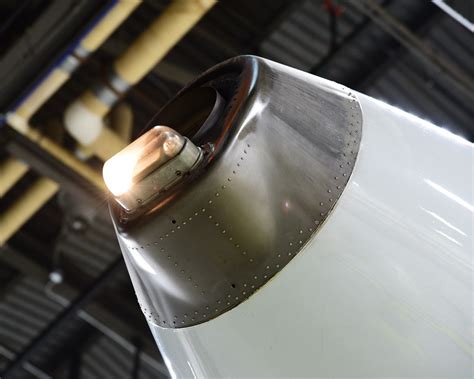
If started successfully in flight, the APU can restore significantly more electrical capability than the RAT alone. That additional power can bring cockpit displays back online and stabilize aircraft systems.
However, the APU is not always available. Airlines may operate aircraft with an inoperative APU under Minimum Equipment List (MEL) provisions, provided certain operational conditions are met. At the time of the incident, it remained unclear whether the crew was able to start the APU or if the aircraft remained dependent solely on RAT-generated power during the descent and landing.
Aircraft History And Post-Incident Status
The aircraft involved, Airbus A321-200 N556UW, has been part of the American Airlines fleet since 2013, originally entering service with US Airways before the airline merger. The narrow-body jet is approximately 13 years old and has accumulated more than 42,000 flight hours and around 17,500 flight cycles.
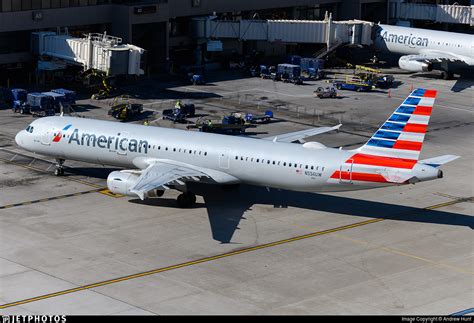
In 2021, the aircraft underwent a cabin reconfiguration designed to increase premium seating capacity. It now accommodates 190 passengers, including 20 seats in domestic first class and 170 in the economy cabin.
Following the emergency diversion, the aircraft remained grounded in Baltimore for several days while engineers and maintenance teams began investigating the cause of the dual generator failure.
The incident highlights one of aviation engineering’s most important principles: layered redundancy. Modern airliners are designed so that even when multiple systems fail simultaneously, backup mechanisms like the Ram Air Turbine can still provide the minimum power necessary to keep an aircraft controllable and allow a safe landing.