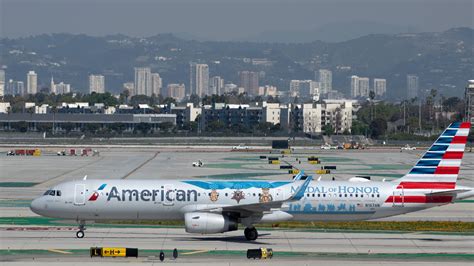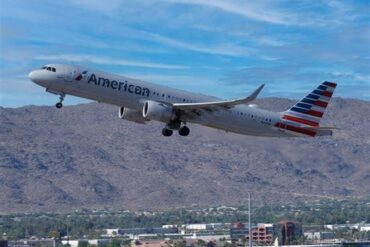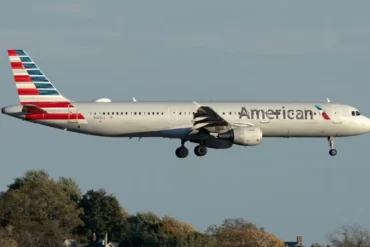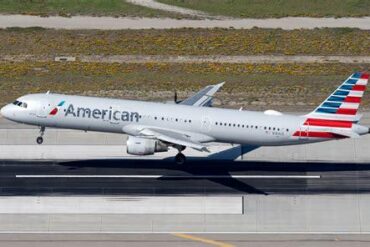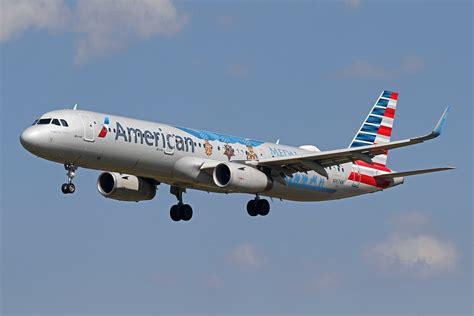
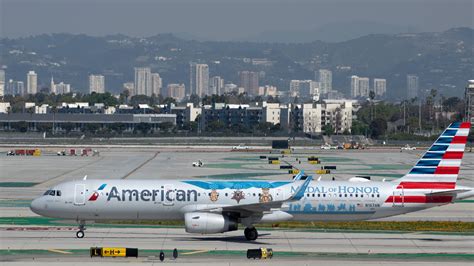
An American Airlines Airbus A321-200, bearing a special Medal of Honor livery, suffered a severe tail strike during landing at Charlotte Douglas International Airport, triggering a full-scale investigation by the Federal Aviation Administration (FAA) and urgent action from the airline’s maintenance teams. The incident occurred Monday evening, following a short flight from Raleigh-Durham International Airport, and resulted in the aircraft being immediately grounded pending inspection and repairs.
Violent Tail Strike Jolts American Airlines’ Most Honored Aircraft
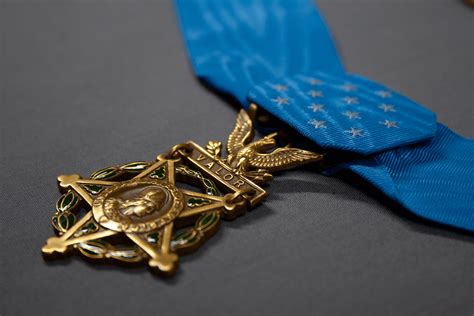
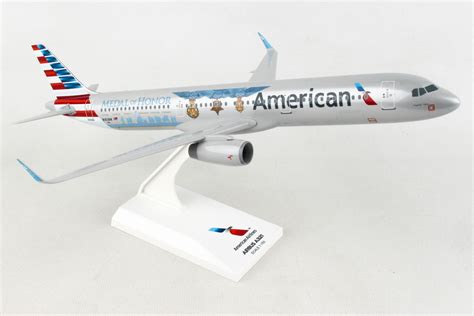
The aircraft in question, registered as part of American’s A321-200 fleet, is notable for its distinctive “Flagship Valor” livery, introduced in 2022 to honor Medal of Honor recipients. This unique design features all three versions of the Medal—Army, Navy, and Air Force—alongside symbolic silhouettes representing major U.S. military conflicts. The aircraft also plays an educational role, offering passengers interactive QR code access to Medal of Honor stories during their journey.
On June 9th, the Airbus departed Raleigh-Durham at 19:07 local time. During its approach to Runway 18L at Charlotte, a miscalculated pitch angle caused the tail section to strike the runway surface, damaging the aircraft’s strike plate—a protective structure designed to minimize damage in such events. Despite the intensity of the impact, the aircraft was able to complete its landing roll without further incident, taxiing under its own power to the gate. All passengers disembarked safely, with no injuries reported.
Grounding and Full-Scale Investigation Underway
Following the incident, American Airlines took swift action to ground the aircraft at Charlotte, pending a full evaluation. As standard procedure dictates, the FAA launched an official investigation, examining all possible causes, including pilot technique, flight configuration, and environmental conditions during the final approach.
Maintenance crews have begun thorough structural inspections, focusing on the tail cone, fuselage, rear bulkhead, and internal components. Given the aircraft’s age—it entered service in 2016—and its intensive flight schedule, there is particular concern about possible fatigue-related damage that might have been exacerbated by the impact.
Anatomy of a Tail Strike: Understanding the Risks and Causes
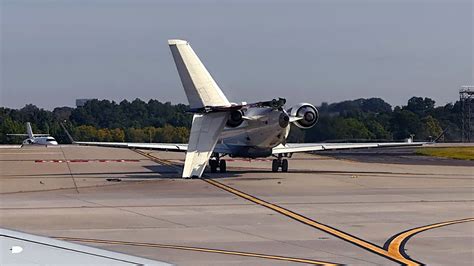
Tail strikes are among the most scrutinized events in aviation due to their potential to compromise aircraft structural integrity. These incidents occur most commonly during landing, though they are also possible during takeoff. Key contributing factors include:
- Aggressive Flare Maneuvering: Raising the nose too sharply before touchdown can cause the tail to drag.
- Over-Rotation: Excessive pitch during landing or aborted takeoff attempts.
- Crosswind Misjudgment: Sudden gusts or insufficient correction during crosswind landings.
- Unstabilized Approaches: Incorrect descent rates, speeds, or flaps settings increase the likelihood of tail strikes.
Though tail strikes seldom lead to immediate catastrophe, they demand intensive inspections and, frequently, expensive structural repairs. Even minor undetected fractures can propagate over time, potentially leading to more serious failures if not properly addressed.
Safety Imperatives: Repairs, Risk Mitigation, and Precedent
This recent event underscores the importance of meticulous maintenance and rigorous oversight. Aviation history offers chilling examples—most notably the Japan Airlines Flight 123 disaster—where an inadequately repaired tail strike contributed to a catastrophic structural failure years later.
To prevent similar tragedies, today’s maintenance teams follow strict protocols after tail strikes, including non-destructive testing, ultrasonic scans, and component-level dissections of affected structures. American Airlines has confirmed that the Medal of Honor A321 will not return to service until all damage is repaired and FAA recertification is complete.
A Flying Tribute Temporarily Grounded
The aircraft, dubbed “Flagship Valor”, is more than just another plane in the fleet—it is a symbol of American military heroism. The livery features artwork inspired by the National Medal of Honor Museum, located in Arlington, Texas, with the aircraft having played a central role in the museum’s groundbreaking ceremony.
Inside, the tribute continues, with custom seatback materials, educational QR codes, and multimedia honoring the stories of individual Medal of Honor recipients. American Airlines developed this tribute in partnership with military historians and design experts, emphasizing the airline’s commitment to veteran recognition and public education.
Operational Context: A Demanding Flight Schedule
On the day of the incident, the A321 had already completed five commercial flights before taking off on its final leg from Raleigh-Durham to Charlotte. Short-haul routes like this one are demanding on aircraft, involving frequent takeoffs and landings, which increase the likelihood of minor errors or cumulative wear.
The route between Raleigh-Durham and Charlotte is among American’s most active, often used as a feeder connection to long-haul domestic and international flights from Charlotte’s major hub. Given this context, the decision to use the high-profile Medal of Honor A321 on this route reflects both its operational utility and symbolic prominence.
A Reminder of Aviation’s High Stakes
Despite modern aviation’s technological advancements, the margin for error remains razor-thin. This tail strike serves as a sobering reminder that constant vigilance, skilled piloting, and uncompromising maintenance are essential components of safe flight operations. That no injuries occurred is a testament to the skill of the crew and the robustness of Airbus design, but it should not overshadow the potential consequences had the situation unfolded differently.
As the FAA and American Airlines complete their joint investigation, focus remains on lessons learned and preventive strategies. Flight crews across the industry will likely review the data and procedural factors involved, reinforcing best practices to reduce the likelihood of future tail strikes.
Looking Ahead: Restoration and Return to Duty
The road to restoring the aircraft will be deliberate and highly controlled. Technicians will likely replace or reinforce affected components, test fuselage pressurization integrity, and conduct multiple ground and air trials before granting final clearance. Once cleared, “Flagship Valor” will return not just as a functional aircraft, but as a living emblem of resilience, remembrance, and responsibility.
For passengers, its eventual return may go unnoticed. But for aviation professionals and veterans alike, this aircraft represents something deeper: a promise to never forget sacrifice, and a commitment to uphold the highest standards in every corner of the aviation industry.