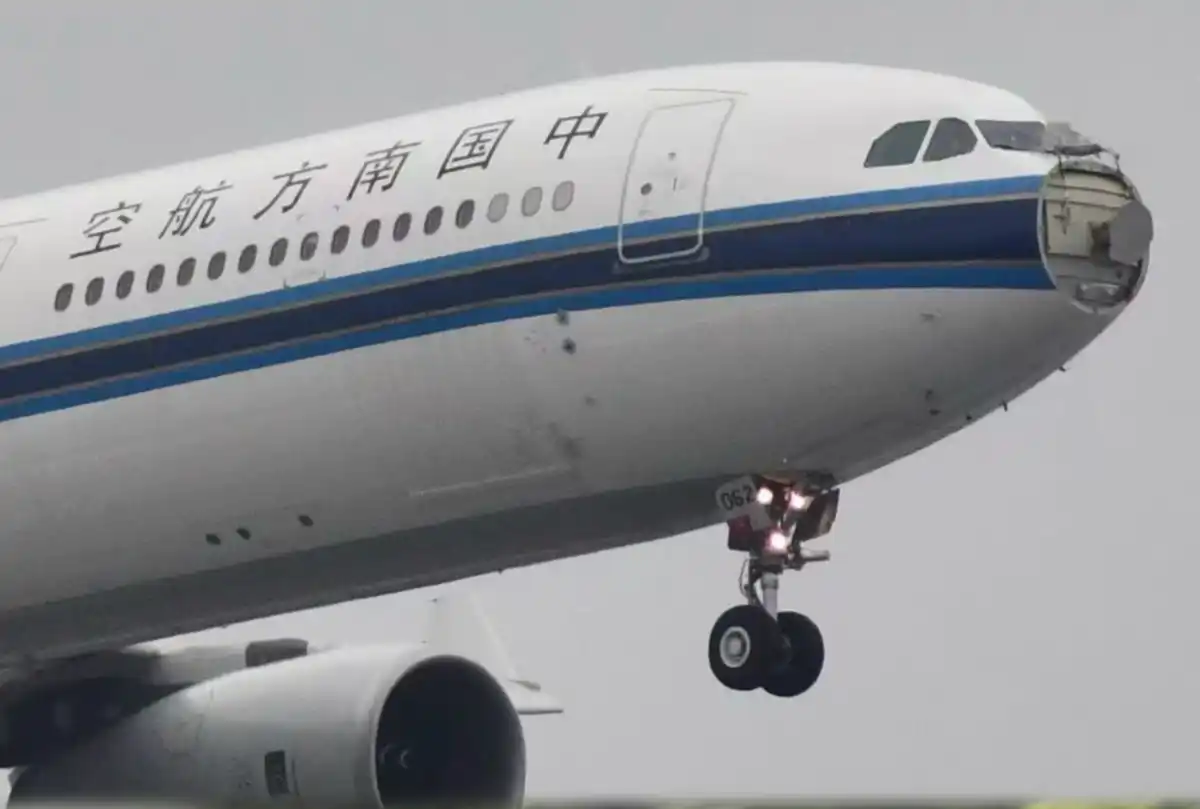
The sudden loss of an aircraft’s nose cone mid-flight is the kind of event that sounds almost cinematic—yet for one China Southern Airlines Airbus A330-300, it became a very real and highly controlled emergency. Shortly after departing Shanghai Hongqiao International Airport, the widebody jet encountered a severe bird strike that resulted in the complete detachment of its radome, the protective structure covering the aircraft’s radar system. Despite the startling nature of the incident, the crew’s measured response ensured a safe return with no injuries reported.
The aircraft had just lifted off from runway 18R and was climbing through the lower altitude band when the strike occurred. Within moments, the crew halted further ascent at approximately 4,600 feet, stabilizing the aircraft while assessing the situation. Losing a radome is not merely a cosmetic issue—it directly affects weather radar capability, aerodynamic performance, and structural integrity at the nose section. Yet, even under these circumstances, modern aircraft are engineered with redundancy and resilience that allow safe handling in such rare events.
Passengers onboard likely remained unaware of the full extent of the damage during those critical minutes. The aircraft circled back toward Shanghai, lining up for a controlled landing on runway 18L, touching down roughly 20 minutes after departure. The professionalism of the flight crew transformed what could have been a chaotic situation into a textbook example of aviation safety in action.
Mid-Air Radome Detachment: A Rare but Serious Event
The radome is one of the most visually recognizable parts of an aircraft, forming the rounded nose that houses sensitive radar equipment. Its detachment in mid-flight is exceptionally rare, especially on modern jets like the Airbus A330-300, which undergo rigorous certification standards. In this case, the bird strike impact was powerful enough to compromise the radome’s structural integrity, leading to its separation from the fuselage.
While the aircraft remained fully controllable, the loss introduced immediate operational concerns. Without the radome, the weather radar system becomes exposed or inoperative, limiting the crew’s ability to detect storm cells or precipitation ahead. Additionally, airflow over the nose section becomes disrupted, potentially increasing drag and affecting fuel efficiency during flight. These factors made the decision to return not just prudent, but necessary.
Ground crews later confirmed that the aircraft would require extensive inspection, including checks for hidden structural stress and recalibration of avionics systems. A replacement radome—often a costly and specialized component—would also need to be installed before the aircraft could safely return to service.
What Exactly Is a Radome and Why It Matters
At first glance, the radome may seem like a simple shell, but its function is far more sophisticated. It acts as a protective and aerodynamically optimized enclosure for radar antennas that provide pilots with critical situational awareness. These systems allow flight crews to “see” weather patterns, turbulence, and even other aircraft beyond visual range.
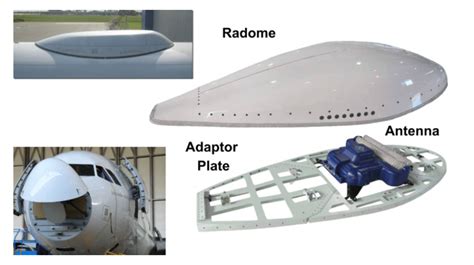
Constructed from composite materials such as fiberglass and advanced polymers, the radome must strike a delicate balance. It needs to be strong enough to withstand environmental hazards—rain, hail, debris, and bird impacts—while remaining transparent to radio waves. Even minor imperfections, such as uneven paint or slight deformation, can distort radar signals and compromise data accuracy.
This sensitivity explains why radome maintenance is highly specialized. Airlines invest heavily in ensuring that these components meet strict tolerances, as even a small discrepancy can degrade weather detection capability, which is crucial during long-haul operations and adverse conditions.
Bird Strikes: A Persistent Threat in Modern Aviation
Although incidents like this capture headlines, bird strikes are surprisingly common across the aviation industry. Airports worldwide implement wildlife management programs, yet complete prevention remains impossible. Birds are most active at lower altitudes—the same airspace used during takeoff and landing—making these phases particularly vulnerable.
The consequences of a bird strike vary widely. In less severe cases, only minor dents or superficial damage occur. In more serious scenarios, impacts can crack cockpit windshields, damage wing surfaces, or even lead to engine ingestion, where birds are drawn into jet engines. Such events can result in partial or complete engine failure, although aircraft are certified to continue safe flight under these conditions.
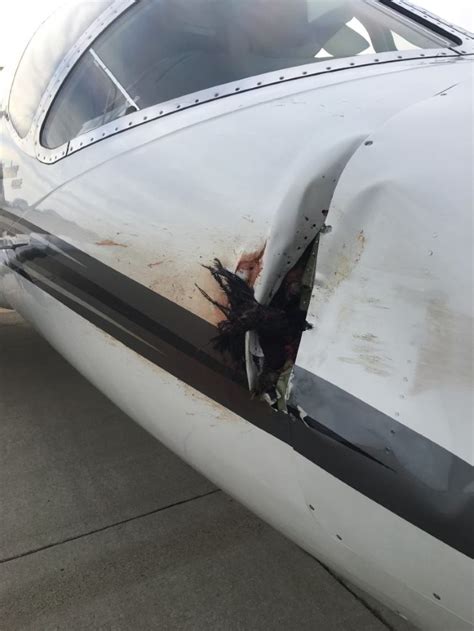
In the case of the China Southern A330, the strike targeted one of the most exposed sections of the aircraft. The nose structure absorbs the initial impact of airflow, making it particularly susceptible to high-energy collisions. At takeoff speeds, even a relatively small bird can exert significant force, enough to damage or dislodge external components.
Operational Response and Passenger Continuity
Following the safe landing, passengers were transferred to a replacement aircraft—a Boeing 777-300, notably larger than the original A330. This swift logistical response minimized disruption, allowing travelers to continue their journey to Shenzhen with limited delay.
Meanwhile, the affected aircraft remained grounded in Shanghai for over 24 hours, as confirmed by flight tracking data. Such downtime is expected, given the need for thorough inspections, system diagnostics, and structural repairs. Aviation authorities and airline engineers treat any structural anomaly with the highest level of scrutiny, particularly when it involves critical components like the radome.
Engineering Resilience Meets Human Expertise
What stands out most in this incident is not just the unusual nature of the damage, but the seamless interplay between aircraft engineering and pilot decision-making. Modern jets are designed with layers of redundancy, allowing them to withstand unexpected events without compromising safety. Yet, it is the crew’s training and judgment that ultimately determine the outcome.
The China Southern A330 incident underscores a reassuring reality: even when something as dramatic as losing the “nose” of an aircraft occurs, the systems, procedures, and people behind commercial aviation are equipped to handle it with precision. It’s a reminder that beneath every routine flight lies an intricate network of design excellence and operational discipline—quietly ensuring that even the rarest emergencies end not in disaster, but in safe landings.