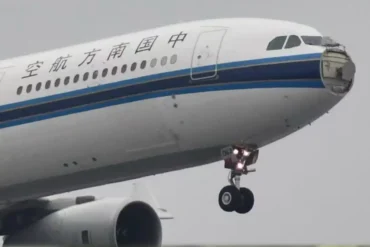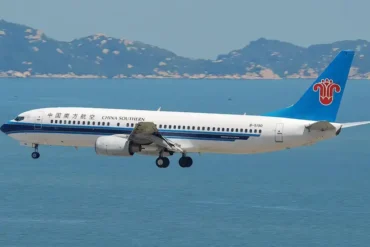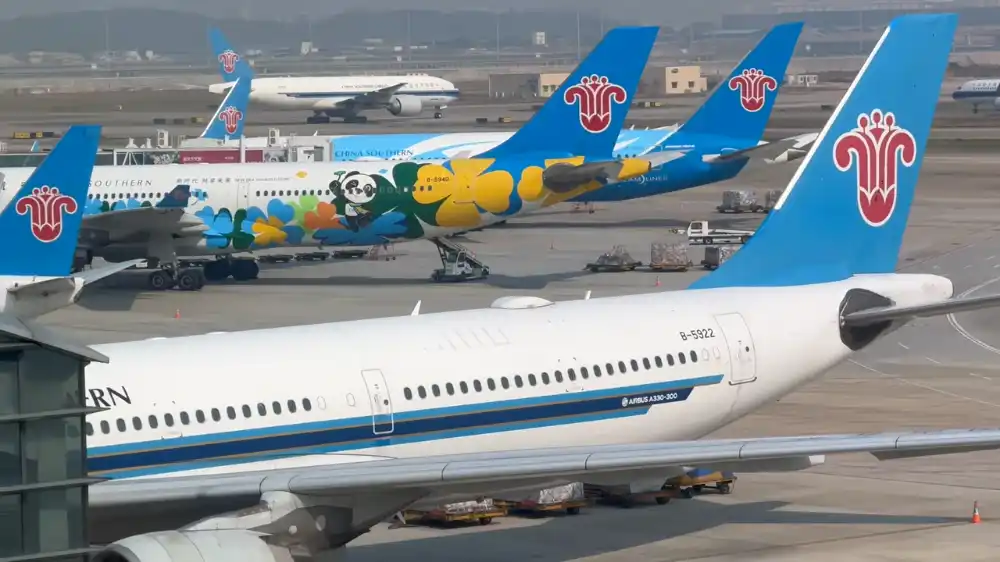
Despite the global recovery in aviation post-pandemic, international airfares between North America and Asia remain dramatically elevated. While flights within Europe and from Europe to Asia have largely returned to pre-pandemic levels, North America–Asia connections tell a different, costlier story. The recent journey on China Southern Airlines’ A330 Business Class from Guangzhou to Taipei sheds light on not only the in-flight experience but also on the broader aviation trends affecting your wallet.
The backdrop to this flight is telling: Guangzhou Baiyun International Airport, the second busiest airport in China and a hub of China Southern’s operations, saw more than 76 million passengers in the last year. The city sits at the heart of the densely populated Pearl River Delta — a region that serves as China’s answer to the U.S. Northeast Corridor, albeit significantly larger and more congested.
The Silence on North American Pricing Woes
Amidst countless travel discussions and media coverage, one topic remains suspiciously under-discussed in North America: the sheer cost of airfares to Asia. Fares from the U.S. to destinations like Taipei, Tokyo, or Bangkok are often hundreds if not thousands of dollars more expensive than they were in 2019. From firsthand experience, premium cabins that once cost under $2,500 USD roundtrip now routinely exceed $3,500–$4,000, even for indirect routes and off-peak travel periods.
This sharp increase is a direct result of two forces:
- Lingering flight restrictions and painfully slow quota expansions between China and the U.S.
- Strategic prioritization by Chinese airlines toward Europe, where they enjoy an operational edge by flying over Russian airspace—a route closed to European and American carriers.
Guangzhou in the Early Hours: A Ghost Hub
Arriving from Dhaka at 4 a.m., the terminal in Guangzhou was eerily quiet despite the airport’s global stature. A brief hope to rest in the Aerotel was dashed — it no longer exists — and the alternative was the China Southern lounge, which, though deserted at that hour, gradually came to life as the day progressed.
The lounge is divided into two sections: one for business class travelers and another for elite frequent flyers. Notably, China Southern withdrew from SkyTeam in 2019, operating independently ever since. The breakfast service was respectable, with hot options appearing by 5:30 a.m., and there was ample seating even as traffic picked up.

The Regulatory Maze in the Skies
Flying between Guangzhou and Taipei is anything but direct. The airspace surrounding the Pearl River Delta is some of the most heavily regulated and congested in the world. Despite Taipei being to the northeast of Guangzhou, aircraft first loop south to dodge restricted airspace over Shenzhen and Hong Kong, before veering north toward Taiwan.
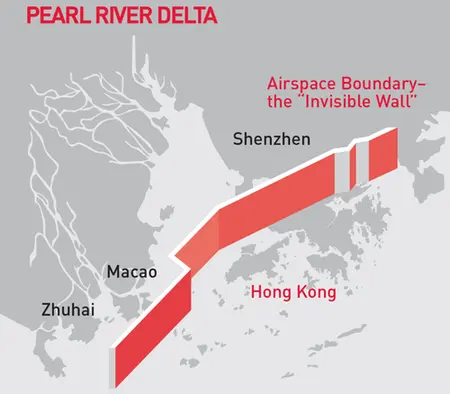
This convoluted routing is just a symptom of a larger problem. Since the pandemic:
- China endured lengthy lockdowns and prioritized domestic travel infrastructure, consuming much of their aircraft availability.
- The country capped inbound foreign flights, prompting the U.S. to respond in kind.
What used to be 150 roundtrip flights per week between the U.S. and China has now been whittled down to just 50 roundtrips as of mid-2024. That’s a third of previous capacity. Air China alone used to operate 35 flights per week to just two U.S. cities — Los Angeles and New York.
Meanwhile, routes between Europe and China have rebounded strongly, with nearly 450 weekly roundtrips and Chinese carriers dominating. European airlines have been disadvantaged, facing longer, costlier routes to avoid Russian airspace, and reduced inbound Chinese tourism.
Limited Seats, Soaring Prices
The consequence of all this is clear: premium airfares between Asia and North America have skyrocketed. This is not driven by fuel prices or inflation alone — it’s a matter of capacity and geopolitics. With fewer planes operating fewer routes, demand quickly outpaces supply.
Flying from Southeast Asia to New York, business class fares under $2,000 used to be common on carriers like Asiana, Philippine Airlines, Cathay Pacific, and Etihad. Today, it’s rare to see a roundtrip for under $3,000–$3,500. In fact, many routes don’t even have business class availability during peak travel periods.
Even short hops, like Guangzhou to Taipei, now carry inflated prices. Originally, the full itinerary from Dhaka to Beijing via Guangzhou cost $550, but after a ticket change and fare increase, the same routing became significantly more expensive.
Boarding the A330: A Familiar but Functional Cabin
The boarding process for China Southern’s A330 was on time and seamless. The aircraft cabin, part of a popular configuration from the mid-2010s, was bright, clean, and welcoming. It features a 2-2-2 layout in business class, which is comfortable but lacks privacy — especially for window seat passengers who must climb over neighbors to reach the aisle.
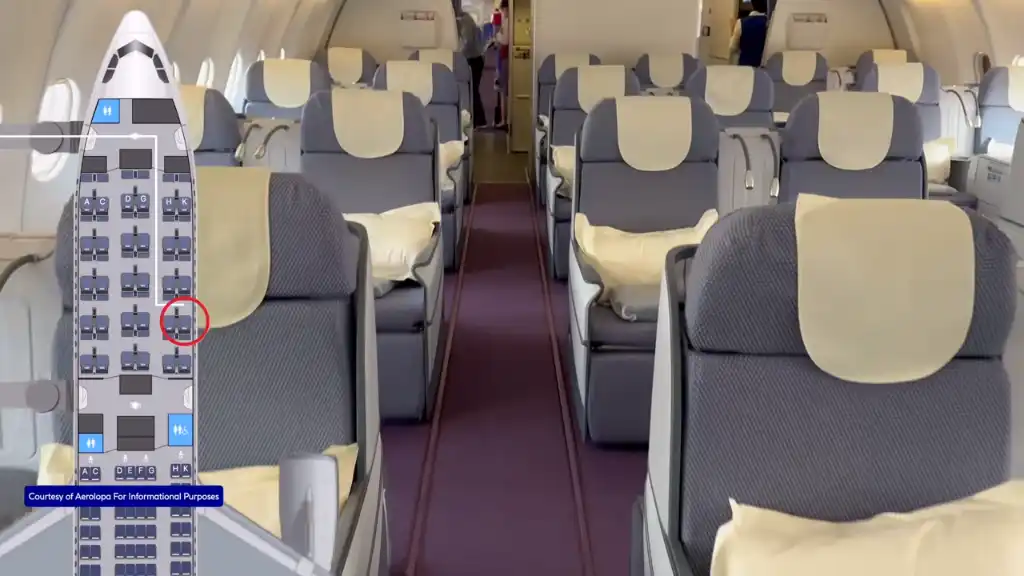
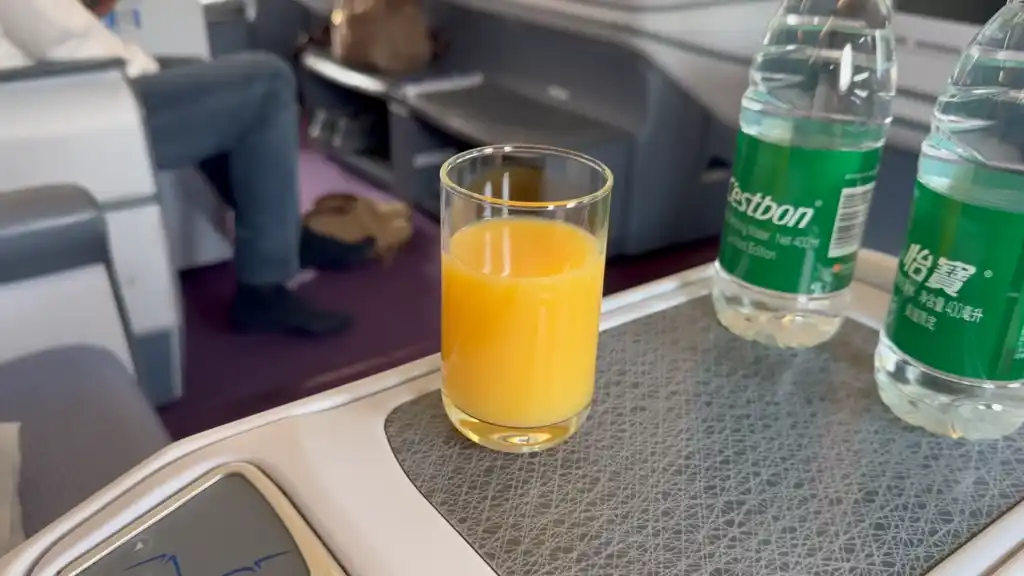
Despite that, the legroom is ample, the upholstery spotless, and the under-seat storage surprisingly spacious. Juice, hot towels, and pre-departure drinks were promptly distributed. The crew’s professionalism and hustle stood out, especially given the narrow service window on such a short flight.
They executed a full meal service and pre-arrival prep without compromising friendliness or efficiency.
Amenities and Meal Service: High Marks for Comfort and Care
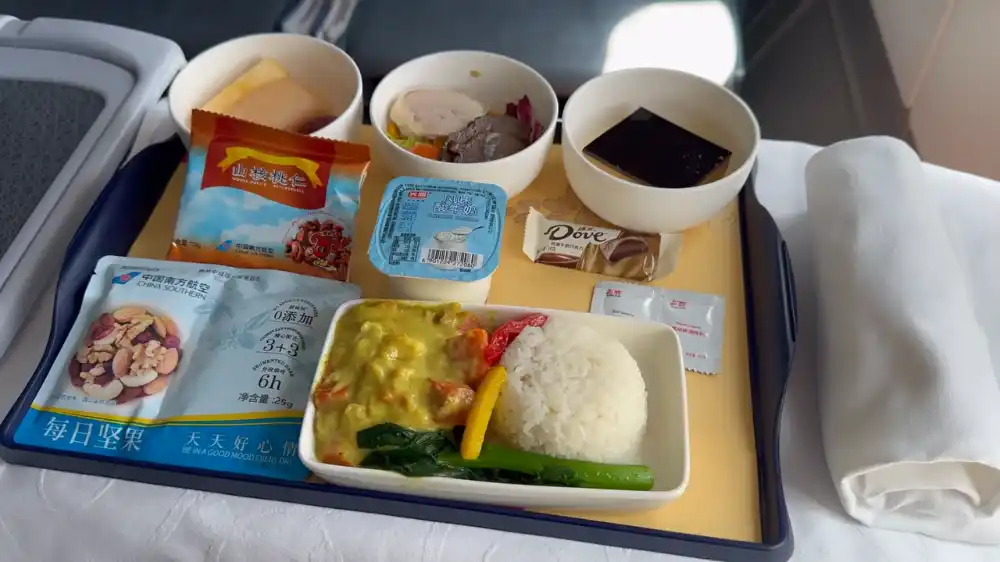
Onboard, the plush pillow, slippers, and full-sized blanket added to the comfort. While the blanket had a slightly synthetic texture, it was substantial and functional. The meal, presented all on one tray, included:
- Chicken with rice in a light curry sauce
- Mini salad with cold cuts
- Fresh fruit, cake, yogurt, and walnut kernels
- Dove chocolate for a sweet finish
The food exceeded expectations for a short regional hop. The chicken was tender, the rice perfectly cooked, and the flavors reminiscent of Vietnamese-style curries.
Flying Through a Geopolitical Crosswind
One of the more fascinating (and lesser-known) impacts on Asia–North America airfare is Russia’s closure of its airspace to most Western airlines. Chinese carriers, however, retain the right to fly over Russian territory, granting them shorter, cheaper routes to Europe. Naturally, they’ve chosen to prioritize European destinations where they hold a unique advantage.
This has resulted in a strategic imbalance:
- Chinese airlines thrive in Europe, restoring service and expanding operations.
- U.S.–China routes remain constrained, throttling capacity and keeping prices high.
It’s not just economics — it’s aviation diplomacy and realpolitik at 35,000 feet.
Conclusion: Why This Matters
For travelers wondering why your next flight to Asia might cost 50–70% more than it did in 2019, the answer lies not in seasonal demand or fuel surcharges, but in entrenched structural limitations in the aviation ecosystem.
- Limited flight quotas
- Post-pandemic aircraft shortages
- Geopolitical restrictions
- Strategic airline priorities
All these factors converge to create a uniquely expensive situation for North American travelers bound for Asia. Unless diplomatic negotiations speed up or airline capacity dramatically expands, these elevated fare levels may become the new normal.
While the China Southern Business Class product on the A330 delivers a solid and well-rounded experience, it’s hard to ignore that even this short-haul flight reflects the broader economic and geopolitical storm clouds currently shaping global aviation.
Final Thoughts
We must accept that, at least for now, international air travel between North America and Asia will remain disproportionately costly. For frequent flyers, business travelers, and aviation enthusiasts, understanding the deeper mechanics behind these prices is more essential than ever.
As for this journey from Guangzhou to Taipei, it’s a microcosm of the bigger picture — well-executed service, solid comfort, and high cost, all wrapped up in a geopolitical puzzle with no easy resolution.