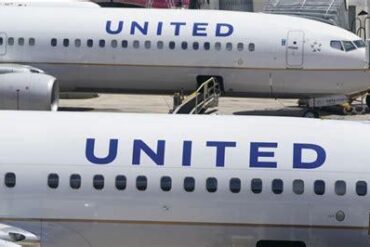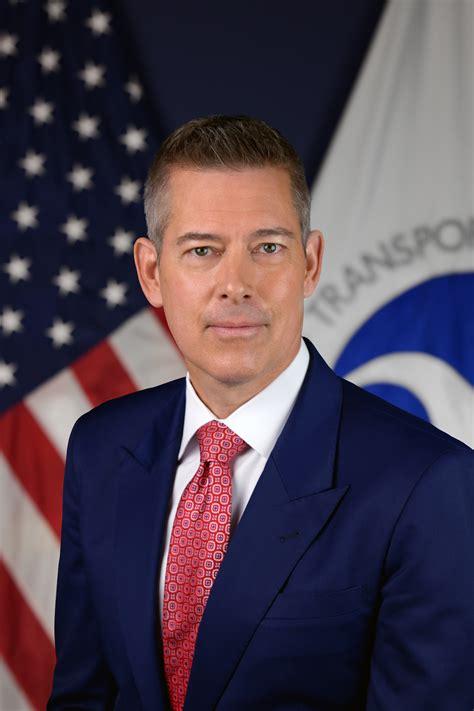
A growing ethical firestorm has engulfed U.S. Transportation Secretary Sean Duffy, as his department faces backlash for a series of policy reversals seen as favoring the airline industry. At the heart of the controversy is whether Duffy’s prior work as a lobbyist for major airlines has compromised the integrity of his regulatory decisions. With an inspector general review now underway, questions surrounding Duffy’s impartiality are intensifying, just as millions of Americans head into the busy holiday travel season.
Political Firestorm Over Passenger Protections
Recent policy rollbacks by the Department of Transportation (DOT) have alarmed consumer rights advocates and lawmakers alike. In particular, the November 17 withdrawal of a landmark proposal—which would have mandated automatic cash payments of $200 to $775 for airline-caused delays—has been singled out as emblematic of the department’s deregulatory turn.
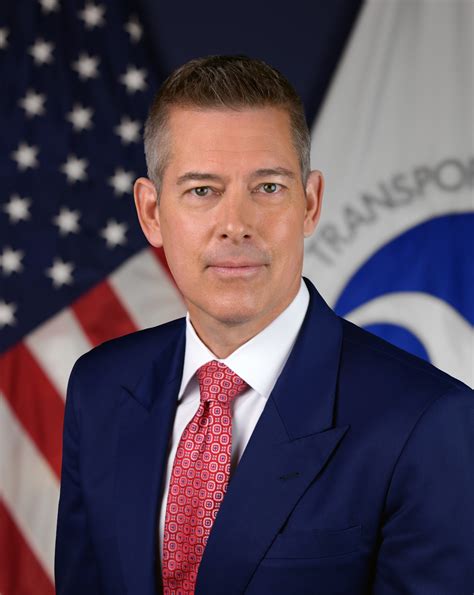
These changes, critics argue, do not reflect a neutral shift in policy, but a deliberate retreat from consumer-focused rules under pressure from airline lobbyists. The reversals have sparked concern among Democrats, especially Senator Elizabeth Warren, who, along with other lawmakers, has formally requested an investigation into whether Duffy’s past as a BGR Government Affairs lobbyist and his ties to the Partnership for Open Skies have influenced his current regulatory agenda.
The Recusal Question: Ethics or Evasion?
Senator Warren’s letter to the DOT’s Inspector General points to a pattern of regulatory decisions that appear aligned with airline interests. Beyond the delay compensation rollback, other abandoned proposals include:
- The December 5 policy that would have clarified refund rights when airlines rebook passengers under a new flight number.
- A December 10 directive that effectively weakened compensation eligibility when flights are impacted by aircraft recalls.
These moves, according to Warren, raise the specter of conflict of interest, particularly if Duffy had any level of involvement in decisions that touched upon his former clients or his lobbying firm. Federal ethics rules clearly state that officials must not participate personally and substantially in matters involving former employers or clients without formal recusals.
A Resume Entwined With the Airline Industry
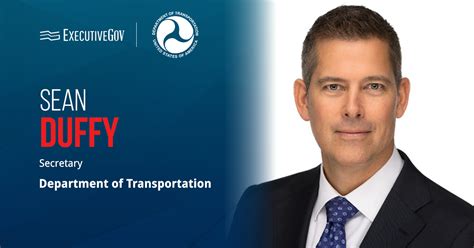
While no direct evidence of wrongdoing has yet emerged, Duffy’s resume is deeply embedded in the world of aviation lobbying. Prior to his appointment, he was a senior figure at BGR, where he championed policies favorable to commercial airlines. Even now, his proximity to his former lobbying shop remains under scrutiny.
The essence of the ethics concern is not the presence of overt corruption, but the perception of regulatory bias. If a policymaker appears to cater to former clients—whether consciously or not—it undermines public trust. The fact that several rollback decisions align with industry objections to proposed consumer protections only deepens suspicion.
According to legal experts, these kinds of ethical conflicts don’t require proof of quid pro quo. Instead, they rely on whether a “reasonable person” would question the impartiality of the official. Given the timing and nature of the reversals, watchdogs argue, such questions are not only valid—they’re essential.
Consumer Impacts: From Delay Payouts to Fee Transparency
For the average traveler, this debate over ethics and policy may seem like political theater. But the consequences are tangible. The now-withdrawn compensation rules would have made the U.S. airline experience more closely mirror European Union policies, which require airlines to offer financial restitution for controllable delays and cancellations.
Instead, American passengers remain at the mercy of complex policies, opaque refund systems, and minimal protections during disruptions. Airlines argue that mandatory payouts would raise operating costs, potentially driving up ticket prices. Yet consumer groups insist that accountability and transparency are worth the trade-off, particularly when airlines frequently overbook, delay, or cancel flights without sufficient redress.
Democrats in Congress are pushing for stronger measures under the upcoming FAA Reauthorization Act, including:
- Clearer standards for refund eligibility.
- Mandatory fee disclosures.
- More consistent compensation when disruptions are caused by the airline’s own negligence.
Duffy’s recent decisions put the DOT on a collision course with these efforts, setting the stage for a major policy battle in 2026.
DOT’s Defense: Statutory Limits or Strategic Deflection?
In response to the criticism, the Department of Transportation has leaned on a familiar line: statutory authority. Officials argue that some of the Obama- and Biden-era consumer protections may have exceeded the legislative mandates granted by Congress.
Duffy’s office insists that the rollback is about aligning policy with the law, not undermining passenger rights. However, legal scholars note that this explanation may be overly simplistic. The Department of Transportation has broad latitude to define consumer protection within the parameters of air commerce law. It has also previously defended similar rulemaking under the same statutory framework.
Critics suggest that invoking “statutory overreach” could be a convenient excuse to slow or reverse unpopular regulations without appearing to cave to industry influence. The timing of these reversals, especially in the lead-up to peak travel seasons, has only exacerbated the controversy.
Legal Fallout and the Inspector General’s Role
The request for a formal ethics review is more than symbolic. If the Inspector General finds that Duffy violated recusal requirements or participated in matters involving his previous clients, it could result in a range of outcomes, from public reprimand to calls for resignation.
At a minimum, lawmakers may demand that the DOT implement:
- Stricter internal screening processes to identify potential conflicts of interest.
- Publicly disclosed recusals to enhance transparency.
- Independent review panels for high-stakes regulatory decisions involving sectors where senior officials previously held influence.
For now, the inspector general’s review serves as a test of both regulatory independence and the Biden administration’s stated commitment to ethics. It’s a delicate moment—where accountability, perception, and policy intersect.
Political Stakes Going Into 2026
With another round of FAA legislation looming and passenger frustration rising, the DOT’s credibility is on the line. If Duffy is cleared, it may restore some faith in the agency’s impartiality. If not, Democrats will almost certainly use the findings to press for broader ethics reforms and stricter lobbying-to-regulator pipelines.
For airlines, the calculus is equally high-stakes. A weakened DOT may embolden them to push back harder against consumer mandates. But overreaching could provoke a legislative backlash. The industry’s best hope may lie in convincing the public that flexibility, not regulation, offers better outcomes.
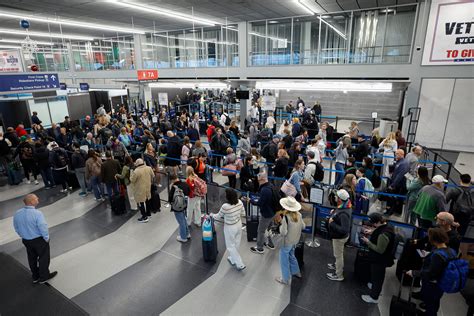
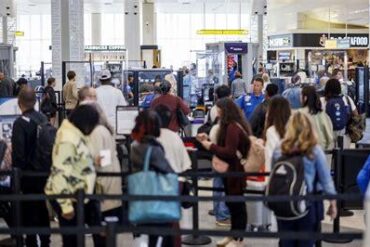
Ultimately, the true cost of this scandal may not be measured in political capital or headlines—but in passengers stuck in terminals, wondering if the system meant to protect them is actually working in their favor.
As the investigation continues, all eyes remain on Secretary Sean Duffy—whose career now stands at the intersection of ethics, industry ties, and public accountability.