The airline industry stands out as one of the most customer-focused sectors in today’s global marketplace. Travelers now have more options than ever before, ranging from low-cost carriers to ultra-premium first-class experiences. Because of this variety, airlines need to deliver top-notch service if they want to compete and remain profitable. A major part of what sets them apart is the quality of customer experience, which heavily influences a passenger’s decision when choosing an airline. Trust and reputation matter, and both are shaped by every moment of the journey. Every small detail can influence how satisfied someone feels after a flight. By examining each part of this journey closely, airlines and airports can discover valuable ways to improve their customer experience.
The Importance of Customer Experience in the Airline Industry
Customer experience is becoming a core priority in the airline industry. It strongly affects how people feel about an airline and whether they’re likely to use it again. A positive experience builds trust and loyalty, which are essential for long-term success.
This experience starts well before passengers board the plane. From the initial online search to the final step off the aircraft, airlines must ensure each interaction is smooth and helpful. It begins with having an easy-to-use, informative website that gives customers a strong first impression. Booking a flight should be quick, clear, and free of hidden fees or confusing conditions.
Once a flight is booked, the airline’s focus should shift to creating a personalized journey. This includes simple check-in procedures, accurate gate and timing info, onboard services that meet expectations, and friendly staff who are ready to assist with any questions. Throughout the journey, airlines should recognize customer needs and offer added value. Loyalty programs and special promotions can play a key role here.

Transforming Customer Satisfaction
Using smart queue management systems is one effective way to improve satisfaction. In fact, case studies have shown that when queues are managed well, customer satisfaction can increase by as much as 20%. That’s a powerful result from a seemingly small change.
Overview of the Current State of Customer Experience in Airlines
The airline industry is constantly evolving, and customer experience is a major factor in its growth. As air travel becomes more competitive, it’s not just about price anymore—experience matters.
Recent studies highlight this shift. Today’s passengers expect more and are quicker to voice dissatisfaction. Even though satisfaction levels have generally improved, there are still clear areas needing attention. For example, a Deloitte report found that only 34% of passengers were happy with their airport experience. Meanwhile, McKinsey reported that only 59% were satisfied with pre-flight processes.
There’s a significant financial incentive here too. Forrester Research revealed that U.S. airlines could potentially generate $1.4 billion more per year simply by improving their customer experience.
Going forward, personalization will be key. Airlines will need to invest in smart technologies, including artificial intelligence (AI) and machine learning (ML), to meet customer expectations. Keeping up with trends and shifting passenger preferences will be essential. A report by Aircraft Maintenance Stands noted that many travelers are now choosing flights based on the experience rather than just the price. That means carriers must deliver a smooth journey from booking to baggage claim.
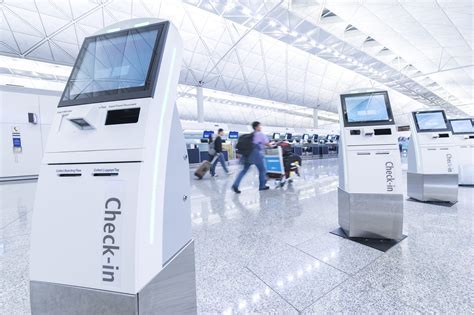
How Digital Solutions Are Changing the Customer Experience in the Airline Industry
Technology is reshaping the airline experience. Digital tools are making the journey easier, more personal, and more convenient. From mobile check-ins and e-tickets to automatic bag tracking and digital boarding, airlines are finding new ways to reduce friction.
For instance, Emirates improved its services by adopting electronic queue management systems and a fully tailored central reporting platform. Mobile apps now give travelers quick access to everything—flight details, itinerary updates, and even information about their destination.
AI and ML are being used to offer customized services and special offers based on passenger preferences. By 2023, technologies like virtual reality (VR) allow travelers to explore airports and local attractions before arriving. Also, chatbots are becoming more common, helping answer questions instantly without waiting for a human agent.
Airlines are also exploring blockchain, building smarter loyalty programs, and forming partnerships with startups to improve their service delivery. These digital upgrades are setting new standards in the industry.
Understanding the Airline and Airport Customer Journey
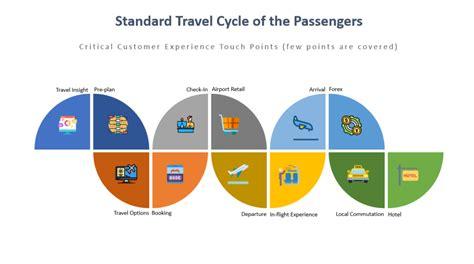
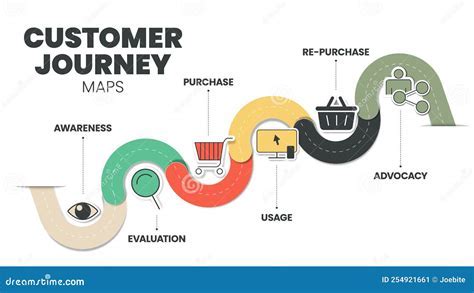
The customer journey in air travel unfolds in multiple stages. Each phase influences how passengers feel about their overall experience. These stages include:
- Pre-travel planning
- Booking/ticketing
- Check-in
- In-flight experience
- Post-flight follow-up
Understanding each of these steps is crucial. It helps airlines and airports design a smoother, more satisfying journey from start to finish.
The pre-travel phase is when customers research flights. They compare options based on time, cost, routes, amenities, and more. This is a critical moment for capturing attention.
During the booking and ticketing stage, passengers make their purchase using various payment options. Airlines may offer add-ons like seat selection, in-flight meals, and early boarding.
The check-in stage can happen online or at the airport. It includes verifying travel documents, printing or receiving boarding passes, and checking luggage. A simple check-in process is essential to reducing stress.
Once onboard, the in-flight experience begins. This might last a few hours or longer, depending on the destination. Passengers often look for entertainment options like movies, music, and games during this stage.
Finally, there’s the post-flight follow-up. This includes retrieving baggage and possibly giving feedback. Gathering customer opinions at this point helps airlines understand what’s working and what needs improvement.
Analysis of Common Pain Points in the Airline Customer Journey
Despite major advances, air travelers still face a variety of challenges. These issues begin as early as the planning stage and often persist until passengers return home.### Common Pain Points in the Airline Customer Journey
There are five main pain points that travelers often encounter during their journey: booking complications, ticketing and pricing problems, cabin experience issues, airport chaos, and post-flight hassles.
Booking complications usually start early. Many people find it hard to search for flights, compare fares, or deal with payment processes. Then come ticketing and pricing troubles—unexpected fees or limited options frustrate customers. In the air, the cabin experience matters a lot. But issues like cramped seating, unappealing food, or limited entertainment options often ruin it.
Airports themselves can be stressful. Long lines at check-in or security, busy terminals, delays, cancellations, or baggage issues can pile on stress. Even after landing, passengers face troubles such as lost luggage or poor customer support that make getting back to normal life harder.
Common Customer Experience Issues in the Airline Industry
1. Long Wait Times
Long queues at check-in, delays when contacting customer support, or slow online ticket systems frustrate travelers. These wait times make passengers feel like their time isn’t valued.
2. Poor Communication
There’s often a gap between what airlines promise and what passengers get. Lack of updates or confusing information from staff adds unnecessary stress.
3. Unavailable Seats
Even when flights aren’t overbooked, travelers often can’t find seats together or pick the ones they want. This creates unnecessary inconvenience.
4. Uncomfortable Aircraft
Some planes have cramped legroom, poorly maintained seats, or stuffy air. These problems, even on short flights, can make the journey miserable.
5. Poor Customer Service
Passengers expect respectful, helpful interactions. Instead, they sometimes face rude or unhelpful staff, especially during problems. These experiences leave a bad impression and push customers to try other airlines.
Implementing Digital Solutions at Airports
How Digital Tools Improve the Airline Customer Experience
Digital solutions are changing the game for airlines by making experiences smoother and more personal. Chatbots, AI engines, predictive analytics, mobile apps, data mining, and social media features all help improve how passengers interact with airlines.
Chatbots give quick answers to common questions. AI lets airlines suggest personalized deals and help with service requests. Predictive analytics allow them to guess what customers might need, like flight changes or delays, and act ahead of time.
Mobile apps make booking, checking in, and accessing loyalty programs super convenient. Social media integration allows airlines to reply fast to customer concerns, improving trust and engagement.
Together, these tools make travel easier, increase loyalty, and help airlines stand out. Satisfied customers often return, which boosts retention.
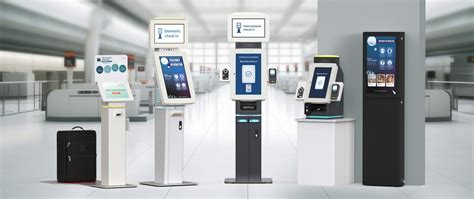
Different Digital Solutions Available for Airlines and Airports
Many tools are now available to help airlines upgrade their services, improve efficiency, and cut costs. For example, Card Issuance Kiosks by Wavetec let travelers scan their ID, verify their information, and print boarding passes—all in one go.
KYC (Know Your Customer) systems ensure secure identity checks. Another game-changer is Enterprise Virtual Queue Management, which lets people book time slots online to avoid standing in lines. This saves time and keeps things organized.
Digital Signage provides real-time flight updates and other key messages. Meanwhile, People Counting tools help monitor crowd flow, and Customer Feedback systems collect opinions in real time.
These tools not only speed up the process but also offer a better, more stress-free journey for passengers.
Leveraging Data and Analytics
Why Data and Analytics Matter
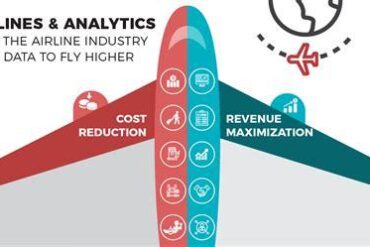
Understanding customers is key, and data helps airlines do just that. By analyzing travel patterns and feedback, companies learn what people like, dislike, and expect. This helps airlines improve services and stay competitive.
With detailed profiles, airlines can treat travelers based on their preferences. Whether someone is a frequent flyer or a first-time traveler, personalized service boosts satisfaction.
Analytics also help track how well things are going—measuring on-time rates, satisfaction scores, and even costs. This makes it easier to spot problems and plan better strategies.
Tools and Data Sources for Analytics
Airlines can use multiple sources to gather insights—loyalty programs, mobile apps, websites, and even social media. Combining these creates a full picture of customer behavior and needs.
With predictive analytics, they can forecast future demand, predict how pricing changes might affect ticket sales, or even estimate delays based on weather forecasts.
Big data from sensors on aircraft, ticketing systems, or baggage trackers help identify issues and fine-tune operations. When used smartly, these tools give airlines the edge to run smoother and serve customers better.
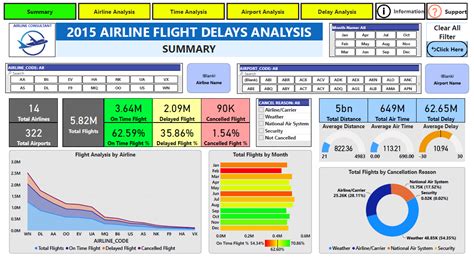
Smarter Decisions with Analytics and AI
Airlines are now using tools like machine learning to make faster, smarter decisions. These tools can help with everything from planning flight routes to predicting how many people will book a flight. For instance, machine learning can help airlines assign seats more efficiently or even catch maintenance issues before they cause problems.
This kind of technology helps airlines run better and safer, while also making the journey smoother for passengers.
The Power of Personalization in Air Travel
In the airline world, customer experience is everything. One of the best ways to improve it is by making the journey feel personal.
Personalization can start before a passenger even steps into the airport. When someone books a flight, airlines can use their travel history or preferences to offer better deals or suggest more convenient times. Whether through a personalized website, targeted emails, or helpful messages on social media, these little touches show the airline cares.
At the airport, personalization continues. Airlines can send passengers real-time updates about boarding gates or times, all tailored to their exact flight. This takes away a lot of stress and helps travelers feel more in control.
Wrapping It Up: Why Customer Experience Matters
The airline industry has a real chance to turn travel into something passengers enjoy and remember. To do this, airlines need to:
- Personalize services throughout the customer journey
- Use smart tech like AI and mobile apps to improve the experience
- Train staff to handle customer needs with empathy and care
When done right, these efforts don’t just make customers happier—they can boost loyalty, improve the airline’s image, and even create new ways to grow revenue.
In short, when airlines put the customer first, everybody wins. A better journey means more repeat passengers, more positive reviews, and a strong edge in a highly competitive market.