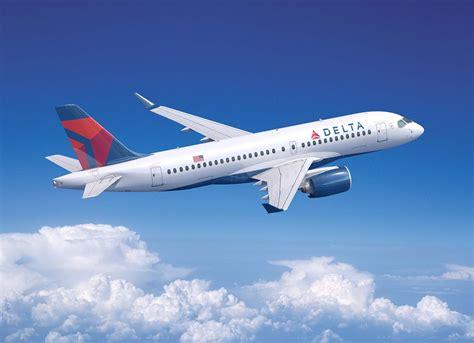
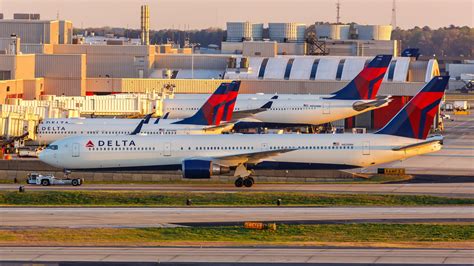
Delta Air Lines is officially steering commercial aviation into a new chapter. By rolling out AI-powered dynamic pricing across its domestic network, the carrier is fundamentally reshaping not just how fares are set—but how travel itself is conceived. This strategic pivot isn’t a quiet software update buried deep within the back office. It’s a bold declaration: the traditional fare structure, with its predictable patterns and fixed booking rules, is being phased out in favor of algorithmic adaptability.
The End of Predictability in Fare Booking
For decades, travelers armed themselves with tools like flexible date calendars, price alerts, and airfare prediction apps. Tuesdays were once hailed as the golden window for scoring deals. But Delta’s move signals the end of predictable pricing. With artificial intelligence now determining prices in real time based on who you are, how you book, and when, each fare becomes highly individualized.
In practical terms, the price you see on your device for a seat from Atlanta to Los Angeles could be vastly different from what someone else sees for the same flight. Delta’s algorithm calculates what you might be willing to pay based on a complex matrix of variables—your loyalty status, your browsing history, the device you’re using, even the time of day.
This level of hyper-personalization comes with a clear business objective: maximize revenue while improving yield. For Delta, it’s about replacing the outdated model of fare buckets and rigid price ladders with fluid pricing that adapts instantly to market conditions and buyer behavior.
Powered by Fetcherr: The Tech Behind the Shift
The core of this transformation lies in Delta’s partnership with Fetcherr, an Israeli tech startup. Their AI engine ingests massive amounts of data, including booking trends, seasonality, route performance, competitor fares, and macroeconomic signals, to create a constantly evolving pricing model.
Unlike traditional revenue management systems that apply fixed rules to limited fare classes, Fetcherr’s AI is always on, continuously adjusting fares—even within minutes. That real-time responsiveness allows Delta to better manage demand surges, off-peak slumps, and flash travel trends triggered by events or breaking news.
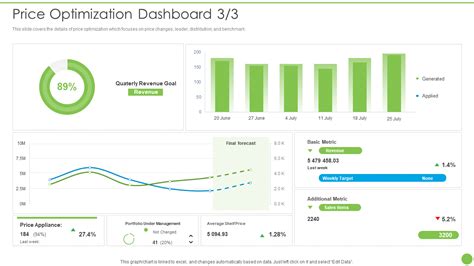
Crucially, early results have been encouraging. According to Delta, the AI model has already started delivering higher revenues without triggering widespread customer dissatisfaction. That balance—of charging more where possible without alienating travelers—could be the holy grail of modern airline economics.
Traveler Experience: Personalized or Problematic?
From a passenger’s perspective, this technology is both thrilling and troubling. On the positive side, AI pricing could enable spontaneous travelers to occasionally snag ultra-low fares when the system detects surplus capacity or price sensitivity. But it also introduces ambiguity—and in the world of commerce, ambiguity breeds mistrust.
Without transparency, travelers are left wondering: Is the fare I’m seeing fair? Could it have been cheaper if I had searched incognito? Did my frequent flyer status help—or hurt—my price? These unanswered questions strike at the core of consumer confidence.
The growing reliance on algorithmic decision-making has critics raising red flags. If fares are optimized for revenue and not fairness, price discrimination could run unchecked. A college student and a corporate traveler might pay wildly different amounts for the same journey, not based on need, but based on what AI guesses they can afford.
Ethical Questions and Data Privacy Concerns
With so much data powering these systems, concerns about privacy and algorithmic ethics are mounting. Delta has stated that its AI pricing rollout will proceed in cautious phases, partly to avoid unwanted ethical entanglements. But transparency about what kind of data is being used—demographics, device type, past spending behavior—is still lacking.

Consumer advocates argue that airline fare algorithms should be subject to regulatory oversight similar to credit scoring systems or financial pricing models. The risk is that unchecked personalization could lead to a two-tiered travel system—one optimized for the data-rich elite and one that penalizes those with limited digital footprints.
In this AI-powered future, the line between personalization and exploitation is razor-thin. Without proper guardrails, airlines could eventually reward the data they like and sideline the behaviors they don’t.
Impact on Travel Platforms and Booking Behavior
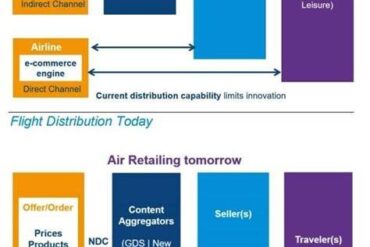
The rise of AI pricing has the potential to dismantle the third-party travel booking ecosystem. Platforms like Google Flights, Expedia, and Kayak rely on access to standard fare classes and GDS (Global Distribution System) data. But AI-generated fares, tailored in real time, often aren’t shared through these traditional channels.
Delta’s move could encourage direct bookings via its own app and website, where it can fully control the user experience and deploy first-party data to maximum effect. That means travelers might need to re-think the utility of meta-search engines and fare aggregators.
Smaller OTAs and even travel agents may be squeezed out unless they can negotiate direct access to these AI-driven pricing systems. The trend also puts pressure on these intermediaries to offer added value—like better customer service or curated trip planning—rather than just low prices.
Global Trend: Delta’s Move Spurs Worldwide Race
Delta may be the trailblazer in the U.S., but airlines across the globe are not far behind. WestJet, Virgin Atlantic, and AirAsia have begun experimenting with dynamic AI fare models. The industry now views real-time pricing as less of an innovation and more of an operational imperative.
Legacy carriers slow to adapt may find themselves outmaneuvered by nimble, data-driven competitors. The race is on to build the best AI fare engines, and the winners will likely be those who can balance profitability with consumer trust.
This global AI push is also putting pressure on international regulators to standardize data privacy frameworks and ensure ethical AI deployment in aviation.

Tour Operators and Package Deals Under Siege
The ripple effects extend beyond airlines. Tour operators and travel wholesalers who depend on fixed-price airfare contracts could see their business models disrupted. Block fare arrangements might become obsolete as airlines pivot to fare offers that expire or change within minutes.
Even bundling strategies—like flight and hotel packages—might need an overhaul. Unless operators can access airlines’ real-time pricing APIs, their packages could become misaligned with market realities, leaving them less competitive.
To survive, travel businesses will need to invest in smarter technology partnerships and possibly integrate AI of their own to create pricing agility. The days of printed catalogs and fixed seasonal deals are fading fast.
What This Means for Future Travelers
Delta’s AI fare system is more than a back-end upgrade—it’s the first chapter in a future where machine intelligence defines the travel experience. Fares that once followed set patterns will now be written in real time by algorithms. For travelers, that means:
- Prices will fluctuate far more often than before
- Booking early may no longer guarantee a better deal
- Your personal data—if not protected—could impact what you pay
Yet this shift also opens doors for smarter, more agile travel planning. Frequent travelers who understand AI pricing mechanics may learn to game the system—searching from certain devices, booking through particular channels, or leveraging loyalty programs in new ways.
Ultimately, this is a call for greater digital literacy among travelers. Understanding how AI affects pricing can help consumers make informed decisions and advocate for fairer practices.
The Future Is Algorithmic—and Inevitable
Delta’s embrace of AI-driven fare pricing is not a trend. It’s the beginning of a systemic shift that will spread across the aviation industry. Airlines have always walked a tightrope between operational efficiency and customer satisfaction. With AI, that tightrope just got higher.
If implemented transparently and ethically, AI pricing could usher in a smarter, more flexible, and ultimately fairer system. But if weaponized purely for profit, it risks breeding resentment and mistrust.
For now, travelers should brace for a new booking landscape—one where the lowest fare is no longer a number, but a moving target. The algorithms are here. The question is whether we’re ready for what they decide.