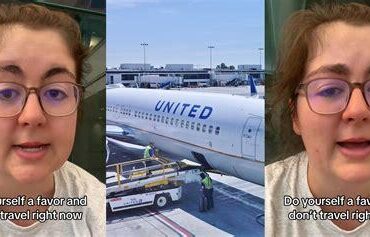
A viral airline pricing controversy involving United Airlines sparked widespread debate after a traveler noticed a dramatic fare increase while booking a domestic flight online. The itinerary, which originally cost $752.20, suddenly climbed to $1,156.20 after passenger age information was entered into the booking system. Social media users quickly accused the airline of charging higher prices based on age, but United says the explanation is far more technical — and rooted in how mixed-cabin itineraries are displayed and repriced.
The incident centered on a trip from Portland International Airport (PDX) to Syracuse Hancock International Airport (SYR). According to screenshots and videos shared online, the fare appeared to increase immediately after the traveler updated passenger details. A notification reportedly stated: “Based on traveler information provided, the price of your ticket has changed.” That wording fueled speculation that the airline’s algorithm was adjusting fares according to passenger age categories.
However, United Airlines firmly rejected the claim that seniors or older travelers were being charged more. Instead, the carrier explained that the booking transitioned from a partially economy itinerary into a fully first-class itinerary during the repricing process.
The distinction may sound minor, but in airline revenue management systems, it changes everything.
United Airlines is using dynamic pricing
This plane ticket says it’s $752. Once you out in the travelers information it says
“Based on traveler information provided, the price of your ticket has changed”
The price went from $752.20 -> $1,156.20
United see the trackers age was… pic.twitter.com/7EBV4deC6q
— Wall Street Apes (@WallStreetApes) May 22, 2026
United Airlines Says Cabin Changes Triggered the Higher Fare
United stated that the original fare displayed through Google Flights involved a mixed-cabin itinerary, meaning one segment was booked in economy class while another segment was booked in first class. According to the airline, this type of itinerary can sometimes appear under a broader “first class” label on third-party booking platforms, even when not every leg actually includes premium seating.
When the customer was redirected from Google Flights to United’s booking platform and updated traveler age information, the airline’s system re-checked the fare availability. During that process, the itinerary allegedly shifted into a fully first-class booking across all flight segments.
That upgrade increased the total fare by more than $400.
A United spokesperson explained that the airline does not apply age-based pricing penalties to seniors. Instead, the repricing reflected a completely different cabin configuration.
The airline emphasized that most travelers searching for premium experiences expect consistent first-class seating across all connections. Because of that expectation, the booking engine recalculated the trip using all-first-class inventory instead of the earlier mixed-cabin combination.
This clarification significantly changed the narrative surrounding the viral post. What initially appeared to be evidence of discriminatory pricing was ultimately linked to how airline booking systems classify and repackage available inventory in real time.
Why Mixed-Cabin Flights Frequently Confuse Travelers
Mixed-cabin itineraries have become increasingly common in modern airline search engines. Travelers often encounter these bookings when nonstop premium seats are unavailable or when one flight segment has limited inventory remaining.
For example, a passenger flying across multiple connecting cities may receive:
- First class on the longer leg
- Economy on the shorter connection
- A combined fare marketed as a premium itinerary
The issue becomes confusing because many online travel agencies and flight aggregators simplify cabin labels for display purposes. A trip containing even one premium segment may appear under a “First” or “Business” category, despite not offering premium seating throughout the entire journey.
This creates a pricing gray area where travelers believe they are purchasing one type of product while airline systems later interpret the booking differently during checkout.
In United’s case, the airline argued that the updated fare reflected what customers generally expect when selecting a first-class ticket: premium seating on every leg of the trip.
How Dynamic Airline Pricing Algorithms Work
The controversy also renewed public scrutiny over dynamic airline pricing, a system used across the aviation industry to maximize revenue and manage seat inventory.
Unlike traditional fixed pricing, airline fares constantly fluctuate based on real-time conditions. These algorithms monitor:
- Remaining seat inventory
- Passenger demand
- Booking timing
- Seasonal travel trends
- Competitor pricing
- Historical purchase behavior
- Route popularity
- Fuel costs
Every aircraft seat belongs to a specific fare bucket, which determines pricing flexibility and availability. As cheaper fare buckets sell out, the system automatically moves travelers into more expensive inventory classes.
That is why two passengers sitting next to each other may have paid dramatically different prices for the exact same flight.
The closer a flight gets to departure, the more aggressively these algorithms adjust fares. Business travelers booking late often encounter higher prices because airlines assume they have less flexibility and greater urgency.
At the same time, airlines occasionally slash last-minute fares if flights remain undersold and carriers need to fill empty seats quickly.
This highly automated environment means pricing changes can occur within minutes — or even seconds — especially when customers alter booking details or move between third-party platforms and airline websites.
Passenger Data and Personalized Pricing Concerns Continue Growing
Although United denied using age-based pricing in this case, the incident intensified broader concerns about how airlines personalize fares using digital tracking methods.
Modern airline systems can collect signals from:
- Browser cookies
- Device types
- Search history
- Geographic location
- Frequent flyer accounts
- Repeat website visits
Travelers have long suspected that repeated searches sometimes lead to higher displayed fares. While airlines rarely disclose the full extent of their pricing algorithms, many industry analysts believe behavioral data influences how offers are presented to individual users.
That perception has led travelers to adopt defensive booking strategies such as using incognito browsing, clearing cookies, or comparing fares across multiple devices.
Even when algorithms are not directly targeting specific demographics, the opacity of airline pricing systems creates distrust whenever unexplained fare jumps occur.
United’s response appears designed to address precisely that concern. The airline stressed that transparency remains a priority and stated it would continue working with third-party booking platforms to improve fare labeling accuracy.
United Airlines Continues Expanding Its Premium Strategy
The incident arrives at a time when United Airlines is aggressively expanding its premium travel offerings. The Chicago-based carrier has invested heavily in its United Next modernization strategy, which focuses on fleet expansion, upgraded cabins, and higher-end passenger experiences.
United currently operates more than 1,000 aircraft, making it the world’s largest airline by fleet size. Its extensive hub network includes:
- Chicago O’Hare
- Denver
- Houston
- Newark
- San Francisco
- Los Angeles
- Washington Dulles
- Guam
The airline was also one of the few major US carriers that retained most of its widebody fleet during the pandemic, allowing it to respond quickly when international travel demand surged after COVID-19 restrictions eased.
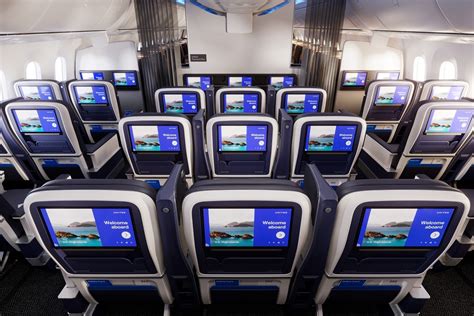
United’s premium strategy now extends beyond traditional first class and business cabins. The airline has significantly expanded Premium Plus, its premium economy product designed to compete with international carriers offering upgraded long-haul experiences.
At the same time, the airline continues preparing for future fleet modernization, including the eventual arrival of the Airbus A350-900, which will join United’s currently all-Boeing widebody fleet.
As airlines increasingly rely on sophisticated pricing technology and layered cabin products, situations like the recent mixed-cabin controversy may become more common. For travelers, the episode serves as a reminder that airfare pricing is no longer a simple fixed system. Behind every ticket sits a constantly shifting network of algorithms, inventory logic, and booking classifications capable of changing a fare within moments.