Passengers aboard a routine international flight expected nothing more than a standard departure. Instead, they found themselves caught in a moment that blurred the line between transparency and uncertainty—an incident now drawing widespread attention for the sheer oddity of what was said from the cockpit.
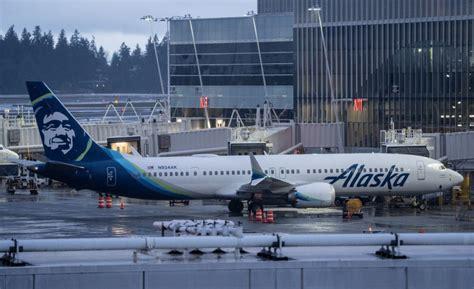
On March 21, 2026, an Alaska Airlines flight, AS617, scheduled from Liberia to Los Angeles, took an unexpected turn after passengers had already boarded and the aircraft began taxiing. The aircraft, a Boeing 737-900ER, was preparing for what should have been a straightforward departure.
Instead, the plane abruptly returned to the gate—an inconvenience, but not an uncommon one in aviation. What followed, however, was anything but typical.
A Cockpit Announcement That Raised Eyebrows
As the aircraft halted, the captain addressed passengers with a stream of commentary that quickly spiraled into confusion. Rather than delivering a concise operational update, the message became a real-time expression of uncertainty, complete with references that left passengers more unsettled than informed.
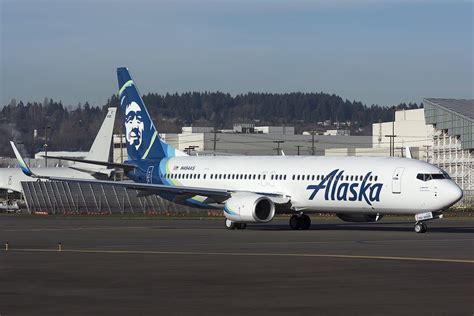
The captain spoke about receiving a “cryptic message” from dispatch, mentioning something referred to as “the bridge”—a term she admitted she didn’t understand. She also expressed disbelief that customs facilities in Los Angeles would close overnight, noting that in decades of flying, she had never encountered such a situation.
The tone of the announcement stood out immediately. Rather than offering clarity, it conveyed confusion at the highest level of authority on the aircraft. For passengers, this created a subtle but powerful psychological shift: if the pilot seemed unsure, what did that mean for the flight itself?
When Transparency Becomes Oversharing
There is no question that passengers value communication, especially during disruptions. Silence breeds frustration. Yet this situation demonstrated the opposite extreme—where too much unfiltered information becomes counterproductive.
The captain went further, comparing the situation to her experience flying during the September 11 attacks, calling this incident “the weirdest” she had ever encountered. That comparison, while perhaps intended to emphasize the unusual nature of the delay, introduced an unintended layer of gravity that many passengers likely found unsettling.
Instead of reassurance, the announcement resembled a stream-of-consciousness narrative. Terms like “cryptic,” references to unknown instructions, and visible confusion about procedures created an atmosphere of ambiguity. For travelers already facing a delay, this kind of messaging can amplify anxiety rather than ease it.
The Likely Cause: A Simple Customs Deadline Miss
Beneath the confusion lies a far more mundane explanation. The flight’s scheduled arrival into Los Angeles was already tight against customs operating hours. Many international terminals, even in major cities, do not operate 24/7—a fact well known within the aviation industry.
At Los Angeles International Airport, customs facilities typically close around midnight. Flights arriving after that window cannot process international passengers, forcing cancellations or diversions. In this case, even a modest delay may have pushed the aircraft beyond that operational cutoff.
This scenario suggests that the disruption was not mysterious at all, but rather a scheduling miscalculation—one that becomes critical when margins are slim. Airlines often operate on tight timetables to maximize efficiency, but when delays occur, those margins can collapse quickly.
Passenger Perception and the Power of Tone
What transformed this routine operational issue into a widely discussed incident was not the delay itself, but how it was communicated. In aviation, tone is everything. A calm, measured voice from the cockpit serves as an anchor for passenger confidence.
Here, that anchor momentarily slipped.
Passengers reportedly interpreted the captain’s remarks as a potential safety concern, even though no such issue existed. The mere mention of unknown messages and comparisons to historic crises can trigger a sense of unease, regardless of intent.
This highlights a critical truth: clarity is not just about sharing information—it’s about framing it correctly. A well-crafted announcement doesn’t simply inform; it reassures, contextualizes, and maintains authority.
Professionalism at 35,000 Feet
Pilots are not just operators of aircraft; they are the face of the airline during every flight. Their words carry weight, especially in moments of disruption. While honesty is essential, so is discretion.
There is a fine balance between transparency and professionalism. Passengers benefit from knowing what is happening, but they do not need to hear every internal uncertainty or speculative detail. In fact, doing so can erode confidence rather than build trust.
This incident underscores how easily that balance can tip. A well-intentioned effort to keep passengers informed became, instead, a case study in how communication style can shape perception as much as the situation itself.
A Lesson in Less Is More
In the end, the flight was canceled, and passengers were rebooked or accommodated. Operationally, it was a manageable disruption. Yet the announcement ensured the incident would resonate far beyond that evening.
The takeaway is straightforward but powerful: effective communication in aviation is not about saying more—it’s about saying the right things. Precision, clarity, and composure matter far more than volume or spontaneity.
For airlines navigating increasingly complex operations, this moment serves as a reminder that every word spoken from the cockpit carries influence. In an environment where trust is paramount, even a few misplaced phrases can redefine the entire passenger experience.