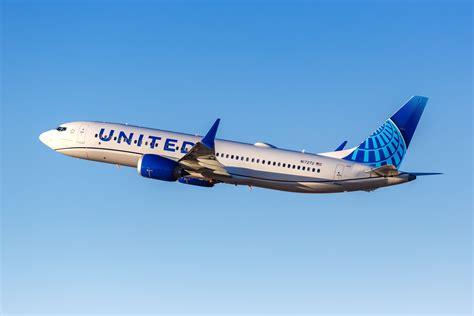
United Airlines is preparing for one of the most significant fleet transitions of the decade, with plans to retire around 80 aircraft in 2027 as it begins receiving the long-awaited Boeing 737 MAX 10. The Chicago-based carrier says the accelerated retirement schedule will help reduce operating costs, improve efficiency, and create a more consistent passenger experience across its global network.
During a recent earnings call, United Chief Financial Officer Mike Leskinen confirmed that the airline intends to “step up” aircraft retirements as new-generation jets enter service. The move reflects United’s broader strategy of balancing capacity growth with stronger financial performance while replacing older aircraft with more fuel-efficient models.
The airline expects to receive up to 20 Boeing 737 MAX 10 aircraft in 2027, assuming the aircraft completes certification with the Federal Aviation Administration (FAA) on schedule. The MAX 10 has faced years of delays, but United remains one of its largest customers and sees the aircraft as a key part of its future narrowbody fleet.
United Airlines Targets Older Jets for Retirement
United has not revealed the exact aircraft types that will leave the fleet during the 2027 retirement wave. However, several aging aircraft families are considered likely candidates as the airline continues modernizing its operations.
The carrier’s older narrowbody aircraft include Airbus A319s, Airbus A320s, and Boeing 737 Next Generation models, all of which are being gradually replaced by newer aircraft. United has previously indicated that its Airbus A319 and A320 fleets are expected to retire by the end of the decade, while some Boeing 757 aircraft are also approaching retirement age.
The airline’s Boeing 757-200 fleet remains valuable because of its performance on longer routes, but many examples are now close to 30 years old. With newer aircraft such as the Airbus A321XLR arriving to operate long-range routes, United has more flexibility to remove older jets while maintaining network strength.
The retirement plan is not simply about removing aircraft. It is also designed to improve fleet efficiency. Newer jets offer lower fuel consumption, reduced maintenance requirements, and improved passenger amenities, helping United lower costs while strengthening its premium travel offering.
Boeing 737 MAX 10 Finally Moves Toward United Fleet Entry
The arrival of the Boeing 737 MAX 10 represents a major milestone for United after years of waiting. The airline originally ordered the stretched MAX variant in 2017, with first deliveries expected around 2020. Nearly a decade later, the aircraft is still working toward final certification.
United currently holds firm commitments for 167 Boeing 737 MAX 10 aircraft, making it one of the largest operators expected to receive the type. The aircraft’s larger capacity compared with the MAX 9 will allow United to add more seats while maintaining the efficiency advantages of the MAX family.
The lengthy delay has influenced United’s fleet decisions. During the waiting period, the airline turned to Airbus and ordered more than 250 aircraft, including the Airbus A321neo, as an alternative solution for future growth. United has also converted some MAX 10 orders into smaller MAX 9 commitments, which has become one of its most important aircraft types.
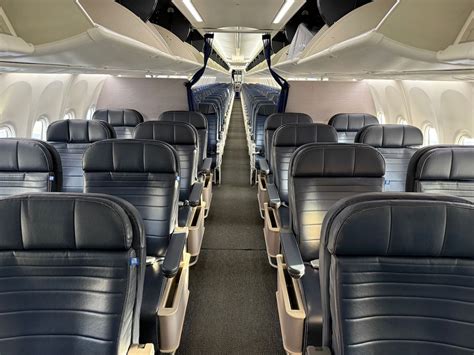
United executives believe the MAX 10 will still play an important role because it will arrive with upgraded interiors and more premium seating compared with some aircraft it replaces. The airline plans to use the jet on major domestic routes where additional capacity and improved passenger comfort can generate stronger returns.
Fleet Modernization Supports United Next Strategy
The retirement program is closely connected to United’s broader United Next strategy, which focuses on expanding premium seating, improving onboard technology, and creating a more standardized cabin experience.
United has invested heavily in aircraft upgrades, including new seatback entertainment systems, larger overhead bins, and refreshed cabin designs. Newer aircraft such as the Boeing 787-9 and Airbus A321XLR feature the airline’s premium-focused Elevated interior, designed to attract higher-value travelers.
Another major improvement is the rollout of Starlink Wi-Fi across the fleet. United has been installing the high-speed connectivity system on hundreds of aircraft, with plans to equip nearly 1,000 jets. The airline says customer satisfaction scores on aircraft with Starlink are significantly higher than those on aircraft without the technology.
A New Era for United’s Fleet Strategy
United’s decision to accelerate retirements while introducing the 737 MAX 10 highlights the airline’s focus on long-term efficiency. By replacing older aircraft with newer-generation jets, United expects to reduce operating expenses while delivering a more consistent travel experience.
Although certification timelines remain an important factor, the arrival of the 737 MAX 10 could reshape United’s narrowbody operations. Combined with Airbus A321neo and A321XLR deliveries, the airline is building a flexible fleet designed for both domestic growth and international expansion.
The 2027 retirement plan marks another major step in United’s transformation from a mixed-age fleet toward a more modern, efficient, and passenger-focused operation.