Cabo Verde Airlines is preparing to relaunch transatlantic flights to the United States on March 31, marking a major milestone in the carrier’s post-pandemic recovery strategy. The airline will reconnect the Cape Verde islands with Rhode Island T. F. Green International Airport (PVD) in Providence using a Boeing 737 MAX 8, restoring a route that has been absent since 2021. The move reflects both renewed confidence in long-haul narrowbody operations and the enduring travel demand between Cabo Verde and the Cabo Verdean diaspora across New England.
For the island nation in the central Atlantic Ocean, aviation links with North America are far more than simple tourist routes. They represent lifelines connecting families, businesses, and cultural communities across the ocean. Thousands of people of Cabo Verdean descent live in states such as Massachusetts, Rhode Island, and Connecticut, creating a consistent flow of passengers visiting relatives, conducting business, or exploring the archipelago’s growing tourism industry.
The upcoming relaunch is therefore not just a network adjustment. It symbolizes the return of a historic travel bridge between West Africa’s Atlantic islands and the northeastern United States, rebuilt through a combination of fleet modernization, regulatory approvals, and rising passenger demand.

Cabo Verde Airlines Rebuilds Its Transatlantic Network
The resumption of US flights comes after nearly four years without direct service. Cabo Verde Airlines previously maintained connections to the United States through Boston Logan International Airport, a major hub for the Cabo Verdean community. However, the airline suspended the route in mid-2021 during a broader restructuring that saw several long-haul services temporarily discontinued.
During that period, the airline undertook significant changes to its operational strategy. The carrier moved away from older widebody and mid-size aircraft toward a leaner, more efficient fleet built around next-generation narrowbody jets. This shift aligned with broader industry trends, where airlines increasingly favor aircraft capable of operating long distances while maintaining lower operating costs.
Providence is not a new destination for Cabo Verde Airlines. The airport previously hosted the airline’s US operations before they were transferred to Boston in 2017. By returning to Rhode Island, the airline is re-establishing service at a familiar gateway while testing the market with a more efficient aircraft platform.
Boeing 737 MAX 8 Enables Long-Range Narrowbody Operations
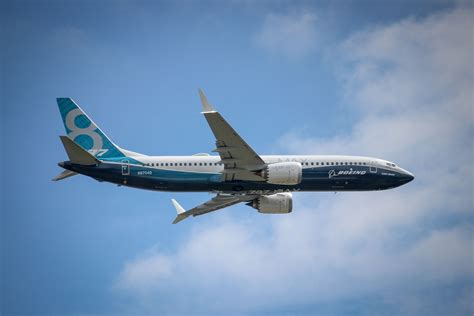
At the center of the airline’s strategy is the Boeing 737 MAX 8, a modern narrowbody aircraft designed to deliver greater fuel efficiency, extended range, and improved operating economics compared with earlier 737 variants.
One of the key developments enabling the aircraft to fly across the Atlantic is its ETOPS certification. ETOPS, short for Extended-range Twin-engine Operational Performance Standards, allows twin-engine aircraft to operate long distances over water while remaining within safe diversion limits from alternate airports.
Securing this approval for the MAX 8 means Cabo Verde Airlines can safely conduct extended overwater flights between the Cape Verde islands and North America, something that previously required larger aircraft.
The advantages are significant:
- Lower fuel consumption compared with older narrowbody or mid-size jets
- Reduced operational costs on long transatlantic sectors
- Flexible scheduling for routes with moderate passenger demand
This capability allows airlines to connect smaller markets that would otherwise struggle to sustain widebody aircraft operations.
Providence Airport Expands Its International Ambitions
The return of Cabo Verde Airlines also reflects the growing momentum at Rhode Island T. F. Green International Airport, which has been steadily expanding its route network.
Passenger numbers at the airport have surged in recent years. Traffic reached approximately 4.3 million travelers in 2025, reflecting strong post-pandemic recovery and increased airline interest in the region. Airport officials have actively pursued new routes, positioning Providence as a convenient alternative to the busier Boston Logan hub located roughly 50 miles away.

Several new services have been introduced during this expansion phase, including flights to destinations such as Dallas, Denver, San Juan, and Cancun. These additions highlight the airport’s strategy of attracting both domestic and international carriers while offering travelers easier access to major destinations.
According to Markus Berger, assistant vice president for air service development at the Rhode Island Airport Corporation, passenger demand has been particularly strong. Traffic increased by 11 percent over the 12 months ending in October, with several months experiencing even higher growth rates.
The arrival of Cabo Verde Airlines adds a transatlantic dimension to the airport’s expanding network, strengthening Providence’s role as a regional aviation gateway.
Strong Cultural Ties Drive Travel Demand
One of the most powerful forces behind the route’s return is the deep historical connection between Cabo Verde and New England. Migration from the islands to the northeastern United States dates back more than a century, creating one of the largest Cabo Verdean diaspora communities anywhere in the world.
Today, cities across Massachusetts and Rhode Island host vibrant Cabo Verdean neighborhoods, complete with cultural festivals, restaurants, and community organizations. Direct flights dramatically reduce travel time for families visiting relatives or attending cultural events in the islands.
For the airline, this diaspora market provides reliable year-round demand, complementing seasonal tourism flows from American travelers exploring the archipelago’s beaches, volcanic landscapes, and music-rich culture.
A Smaller Fleet With Global Reach
Cabo Verde Airlines now operates a relatively compact but versatile fleet. The carrier currently uses:
- Boeing 737 MAX 8 for longer international routes
- Boeing 737-700 for medium-range operations
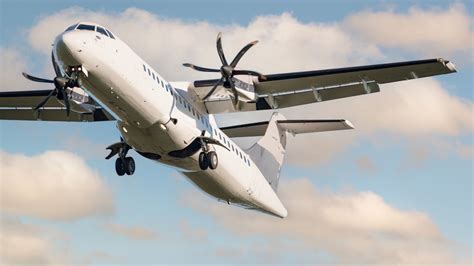
- ATR 72-600 turboprops for domestic and regional services within the islands
Before restructuring, the airline relied heavily on Boeing 757 aircraft for its long-haul routes. Those jets offered strong range capabilities but came with higher operating costs and aging airframes. Retiring them in favor of modern narrowbody aircraft reflects a broader industry transition toward fuel-efficient, long-range single-aisle jets.
This transformation allows the airline to operate intercontinental routes with smaller passenger volumes, reducing financial risk while preserving network reach.
A Strategic Step Toward Network Expansion
The March 31 relaunch of US flights represents more than a single route reopening. It signals a measured rebuilding of Cabo Verde Airlines’ international network, which has gradually recovered through European routes connecting the islands with cities such as Lisbon, Paris, and Milan.
As these services stabilize, the United States once again becomes a crucial pillar of the airline’s long-haul strategy. The success of the Providence route could eventually lead to additional North American destinations or increased frequencies, particularly if demand from diaspora communities and tourists continues to grow.
Across the aviation industry, aircraft like the Boeing 737 MAX family are reshaping how airlines approach long-distance routes. By combining efficient engines, advanced aerodynamics, and extended range, these jets allow carriers to connect smaller cities across continents in ways that were economically impossible a decade ago.
For Cabo Verde Airlines, the upcoming return to the United States represents exactly that opportunity: a modern aircraft reopening an old connection, restoring a vital bridge between the Atlantic islands and the communities that have long called both sides of the ocean home.