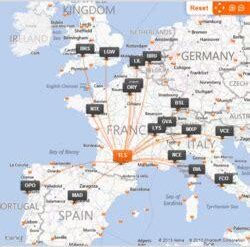
easyJet has moved early for the 2026/2027 winter season by announcing 18 new or returning routes across Europe, North Africa, the Middle East, and the Atlantic. The expansion underlines the airline’s strategy of balancing traditional city breaks with warmer leisure destinations as demand shifts toward year-round travel. For passengers, it means more direct options from regional airports, fewer connections, and several notable milestones inside the airline’s network.
The headline-grabbing addition is a brand-new service from Amsterdam Schiphol to Sal, Cape Verde, which becomes the longest route easyJet has ever operated. At the same time, the airline is also launching one of its shortest mainland sectors: Lyon to Nice, a domestic French link designed for weekend travelers and business passengers seeking faster alternatives to rail.
The latest route batch also strengthens easyJet’s presence at airports such as Newcastle, Belfast International, Bordeaux, Southampton, Southend, and Nantes, showing continued confidence in regional demand rather than relying only on giant hubs. That approach has long helped easyJet remain one of Europe’s most influential low-cost carriers.
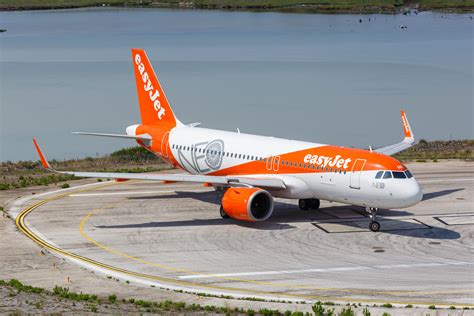
easyJet’s New Longest Flight: Amsterdam to Sal
The most significant announcement is the launch of Amsterdam to Sal, beginning October 27. Measuring approximately 2,503 nautical miles (4,636 km) each way, it overtakes the previous record-holder in easyJet’s network and signals how far the airline is willing to stretch the low-cost model.
Flights will operate three times weekly on Tuesdays, Thursdays, and Saturdays. Departures from Schiphol are scheduled in the morning, arriving in Cape Verde just after midday local time. The return service lands back in Amsterdam late evening, making full use of a single aircraft rotation.
This route is important for several reasons. First, Cape Verde has become increasingly popular with European winter sun travelers seeking reliable weather and beach resorts. Second, Amsterdam offers one of Europe’s strongest catchment markets for leisure demand. Third, it shows easyJet sees profitable opportunities beyond the classic two-to-four-hour low-cost flight pattern.
Operating a route of more than six hours is no small task for a carrier built around efficiency. Aircraft scheduling, crew duty times, fuel planning, and delay recovery all become more complex. Yet if successful, it may encourage similar longer leisure routes in future seasons.
Belfast to Sharm El-Sheikh Adds Egypt Capacity
Another standout launch is Belfast International to Sharm el-Sheikh, starting October 25 with twice-weekly flights. This becomes one of easyJet’s longest services and gives Northern Ireland travelers a direct Red Sea option without transiting through London or mainland Europe.
Egypt has remained a resilient winter destination thanks to sunshine, diving tourism, and competitive resort pricing. Sharm el-Sheikh especially appeals to families and package holiday travelers. For easyJet, this route strengthens its leisure credentials while also expanding Belfast’s network reach.
Regional passengers often respond strongly to nonstop services to sun destinations. When airlines add direct flights from smaller bases, they typically unlock demand that previously stayed hidden because connecting itineraries were inconvenient or expensive.
Lyon to Nice Becomes easyJet’s Shortest Mainland Route
At the opposite end of the spectrum sits Lyon to Nice, launching October 26. The distance is only 154 nautical miles (285 km), making it easyJet’s shortest route that does not involve islands or significant overwater flying.
That matters because France already has strong rail infrastructure. High-speed train journeys between Lyon and Nice generally take around four and a half to five hours. easyJet’s two-weekly service, timed on Mondays and Fridays, appears designed for long weekends, second-home owners, and travelers who value speed over rail convenience.
While short domestic sectors can attract criticism over emissions and rail competition, they still serve time-sensitive markets. If passengers can save several hours door-to-door, demand often remains surprisingly durable.
Southampton Switches to Paris Charles de Gaulle
easyJet is also adjusting its Paris strategy from southern England. The airline already entered the Southampton–Paris market through Orly, but from late October it will instead serve Paris Charles de Gaulle.
That change is commercially smart. Charles de Gaulle offers stronger business relevance, better global connectivity, and wider appeal for travelers heading beyond Paris itself. It also mirrors previous attempts by other airlines that recognized CDG’s broader market power compared with Orly.
For Southampton Airport, retaining a direct Paris link is valuable. Regional airports depend heavily on a mix of domestic, leisure, and European business routes to stay competitive.
Newcastle Gains More International Reach
easyJet recently reopened its Newcastle base, and the newest announcements show immediate momentum. The airport gains direct flights to Fuerteventura, Kraków, and Keflavik.
This is excellent news for Northeast England. Fuerteventura serves winter holiday traffic, Kraków offers a popular city-break and VFR market, while Iceland’s Keflavik brings growing demand for nature tourism and stopover travel.
Airlines reopening bases sometimes move cautiously, but easyJet appears determined to rebuild Newcastle into a meaningful northern operation rather than a token presence.
Bordeaux, Nantes, Belfast and Southend Also Benefit
Several airports receive multiple additions:
- Bordeaux: Agadir, Malaga, Gran Canaria
- Nantes: Brussels National, Essaouira
- Belfast International: Rome Fiumicino, Sharm el-Sheikh
- Southend: Budapest
- Hamburg: Prague
- Luton: Ljubljana
- Nice: Cairo Sphinx
- Birmingham: Agadir
These choices reveal a clear pattern: easyJet is blending classic sun routes with under-served city pairs. Markets such as Hamburg–Prague and Luton–Ljubljana may not dominate headlines, but they can perform strongly when direct competition is limited.
Why This Expansion Matters
This announcement says a great deal about the current airline market. Travelers increasingly want direct flights from local airports, not forced connections through mega-hubs. They also book short breaks year-round, not only summer holidays.
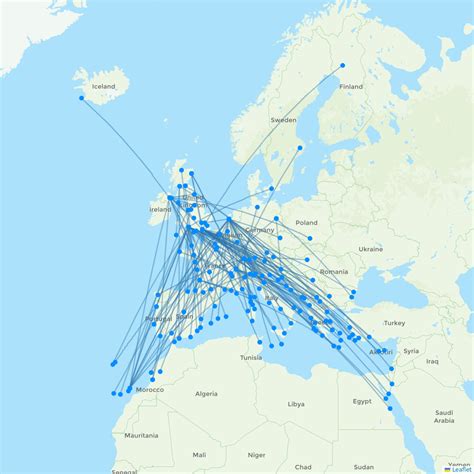
easyJet’s route map now reflects three profitable pillars:
- Winter sun destinations such as Agadir, Sharm el-Sheikh, Cape Verde, Gran Canaria.
- City breaks including Budapest, Prague, Rome, Brussels, Ljubljana.
- Regional convenience routes like Southampton–Paris and Lyon–Nice.
That diversified model helps protect revenue when one segment softens.
Full Route List Snapshot
The 18 announced routes begin across October 25 to October 28 and include:
Belfast–Sharm el-Sheikh, Bordeaux–Agadir, Newcastle–Fuerteventura, Southampton–Paris CDG, Belfast–Rome, Bordeaux–Malaga, Luton–Ljubljana, Lyon–Nice, Nantes–Brussels, Newcastle–Kraków, Hamburg–Prague, Southend–Budapest, Amsterdam–Sal, Birmingham–Agadir, Nantes–Essaouira, Newcastle–Keflavik, Nice–Cairo Sphinx, and Bordeaux–Gran Canaria.
Final Outlook
easyJet’s latest expansion is more than a seasonal timetable update. It is a statement that the airline intends to keep growing through regional strength, smarter network planning, and leisure demand. The Cape Verde launch may grab the spotlight as the longest flight ever, but the broader story is equally important: easyJet is filling market gaps competitors left behind.
For passengers, that usually means one beautiful thing: more nonstop choices and fewer painful layovers.