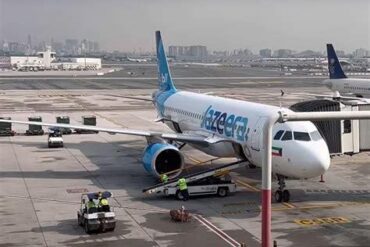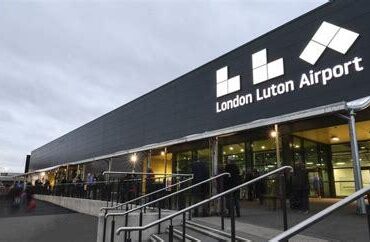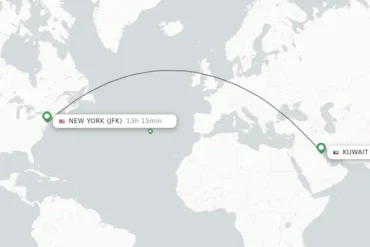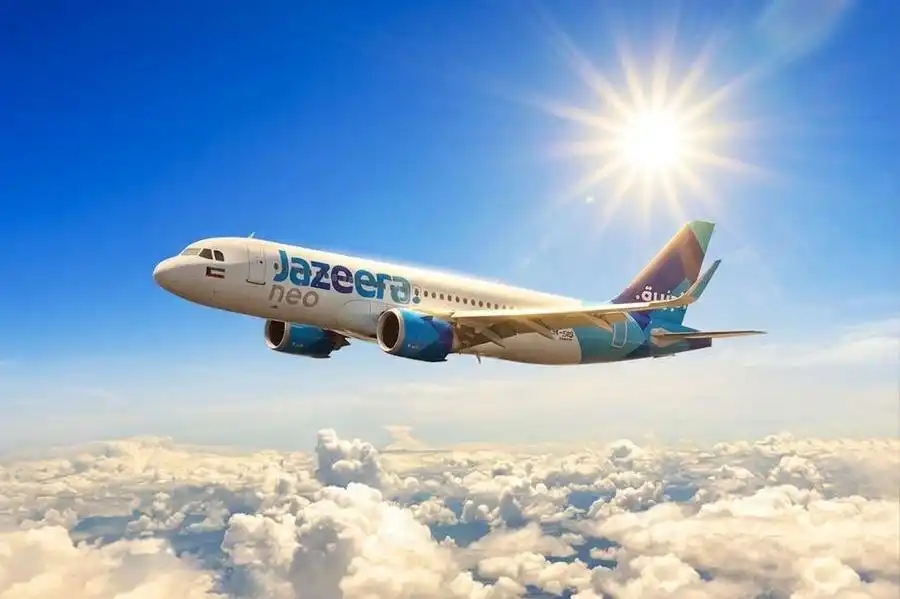
London Luton Airport is preparing for a significant shift in its route network as Kuwaiti low-cost airline Jazeera Airways launches a new nonstop connection between Kuwait City and London Luton. The service, scheduled to begin on July 8, introduces an unusually long narrowbody operation to an airport traditionally dominated by short-haul European traffic. With a scheduled block time approaching seven hours, the route will immediately become the longest passenger flight ever operated from Luton Airport.
The new service highlights a broader transformation underway in the aviation sector, where low-cost carriers are increasingly stretching the operational limits of Airbus A320-family aircraft to serve medium and long-haul markets once controlled almost exclusively by full-service airlines. For Luton, the route is more than just another destination addition. It represents a strategic expansion into a growing Middle Eastern travel market and reinforces the airport’s evolving position within London’s highly competitive aviation ecosystem.
Initially, Jazeera Airways will operate the route four times weekly before transitioning to a daily schedule from August 1. The flights will connect Kuwait International Airport (KWI) and London Luton Airport (LTN) using Airbus A320 and A320neo aircraft configured with both business and economy seating.
The published schedule shows how aggressively optimized the operation is for aircraft utilization and passenger convenience:
- J9-001 departs Kuwait at 9:10 AM and arrives in London Luton at 2:00 PM after a scheduled 6-hour 50-minute flight
- J9-002 departs Luton at 2:45 PM and lands back in Kuwait at 11:05 PM following a 6-hour 20-minute journey
While seven-hour flights are relatively common on widebody aircraft, they remain unusual on low-cost narrowbody operations, particularly from airports such as Luton that are heavily associated with European leisure travel.
By launching the route, Jazeera Airways also returns to the London market after previously serving London Gatwick Airport in 2019. The move signals renewed confidence in UK-Kuwait travel demand and reflects the airline’s wider European ambitions.
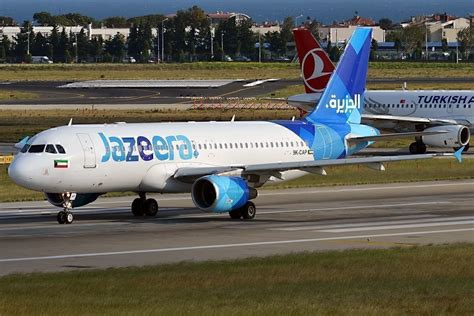
Jazeera Airways Pushes The Airbus A320neo Into Longer Missions
The route demonstrates how modern narrowbody aircraft continue reshaping airline economics. The Airbus A320neo, equipped with more efficient engines and improved fuel performance, allows airlines to profitably operate sectors that previously required larger twin-aisle aircraft.
For Jazeera Airways, the Kuwait-Luton service becomes the airline’s longest route by both duration and distance. It also expands the carrier’s European footprint, adding another important destination to a network increasingly focused on connecting the Gulf region with high-demand leisure and diaspora markets.
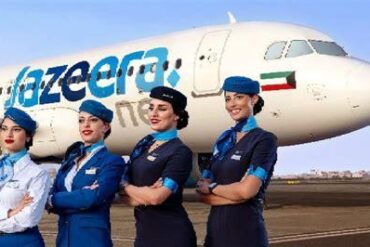
Passengers onboard the service will encounter a cabin setup designed around the low-cost carrier model but enhanced with selective premium features. Jazeera’s aircraft include dedicated business-class seating, while the forward rows of economy are marketed as Priority Seats, offering faster boarding and additional convenience for travelers willing to pay extra.
This hybrid approach has become increasingly common among Gulf low-cost airlines. Instead of replicating the ultra-basic European budget model, Middle Eastern carriers often blend affordable fares with optional premium upgrades, appealing to both price-sensitive tourists and higher-yield business travelers.
The Kuwait-Luton route is particularly notable because it connects two markets with very different aviation identities. Kuwait International Airport serves as a major Gulf gateway with strong regional connectivity, while Luton has historically functioned as a dense low-cost European hub dominated by airlines such as easyJet, Ryanair, and Wizz Air.
London Luton’s Route Network Enters A New Era
Despite being London’s fourth-busiest airport, Luton has remained heavily focused on short-haul traffic for decades. The overwhelming majority of routes from the airport connect to destinations across Europe, with strong concentrations in Spain, Eastern Europe, and Mediterranean leisure markets.
Long-haul services have traditionally been rare.
Before Jazeera’s arrival, Luton’s longest scheduled passenger route was the connection to Hurghada, Egypt. Other Middle Eastern and North African destinations currently served from the airport include Sharm el-Sheikh, Giza, and Tel Aviv. Kuwait now joins that growing list, becoming Luton’s fifth destination in the broader Middle East region.
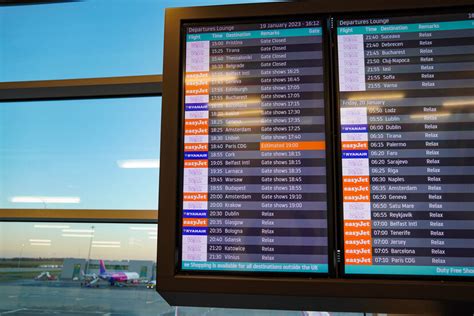
The airport’s evolving network reflects changing passenger behavior across the UK aviation market. Travelers increasingly prioritize affordable direct connections over traditional hub transfers through Heathrow or major European gateways. Airlines are responding by deploying efficient narrowbody aircraft on routes once considered operationally impractical.
Jazeera Airways’ decision to choose Luton rather than Heathrow or Gatwick also reflects the economic realities facing airlines operating in London. Heathrow remains heavily slot-constrained and expensive, while Gatwick’s congestion levels and operational costs continue rising. Luton, by contrast, offers a more flexible environment for low-cost carriers seeking access to the London market without premium airport charges.
That flexibility has helped transform Luton into a surprisingly diverse aviation hub.
Why Luton Appeals To Both Budget Airlines And Private Aviation
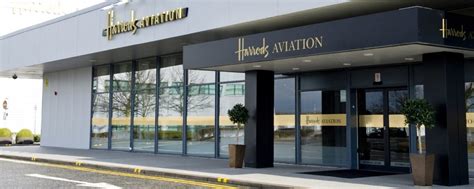
Unlike Heathrow and Gatwick, Luton maintains a unique balance between scheduled low-cost operations and high-end charter aviation. The airport has become one of the UK’s most important centers for private jet activity, hosting several major Fixed-Base Operators including Signature Aviation and Harrods Aviation.
These facilities provide dedicated services for charter and business aviation clients, including private lounges, aircraft handling, refueling, customs support, and VIP passenger processing away from the main commercial terminals.
The coexistence of budget airlines and luxury private aviation may appear unusual, but it reflects Luton’s operational advantages. Compared with Heathrow, the airport offers easier slot availability, lower operational costs, and faster turnaround capabilities. These characteristics appeal equally to low-cost airlines maximizing aircraft utilization and to wealthy charter clients seeking efficient access to London.
The airport’s infrastructure also supports rapid operational flexibility, something increasingly valuable in today’s aviation environment where airlines constantly adjust schedules in response to fuel prices, geopolitical conditions, and fluctuating travel demand.
Growing Demand For Low-Cost Middle East Flights
Jazeera Airways’ expansion into London arrives amid rising demand for affordable travel between Europe and the Gulf region. Several airlines are now testing longer low-cost routes using next-generation narrowbody aircraft capable of operating sectors approaching eight hours.
The trend has accelerated alongside the introduction of aircraft such as the Airbus A321LR and A321XLR, which dramatically expand the range potential for single-aisle jets.
Earlier this year, Air Arabia planned to launch flights between Sharjah and London Gatwick using Airbus A321LR aircraft before regional instability disrupted the rollout. Even though those flights did not materialize, the attempt illustrated how aggressively Gulf low-cost carriers are targeting the London market.
Against that backdrop, Jazeera Airways’ Kuwait-Luton service appears strategically timed. The route taps into a combination of tourism demand, visiting friends and relatives traffic, business travel, and onward regional connectivity across the Gulf.
For London Luton Airport, the arrival of a nearly seven-hour narrowbody route marks a symbolic milestone. An airport once viewed almost exclusively as a European low-cost gateway is now handling increasingly ambitious operations that blur the traditional boundaries between short-haul and long-haul aviation.