As winter travel demand continues to diversify across Europe, easyJet has unveiled a significant expansion of its UK network, introducing 13 new routes from eight airports across the country. The latest additions reinforce the airline’s commitment to regional growth while broadening its appeal to travelers seeking everything from Arctic adventures and ski holidays to city breaks and winter sunshine destinations.
The announcement comes on the heels of a major summer expansion and further strengthens easyJet’s position as one of Europe’s largest low-cost carriers. With a network that now spans more than 1,000 routes across over 30 countries, the airline is increasingly focusing on creating a balanced portfolio of leisure, cultural, and seasonal destinations that can generate demand throughout the year.
The newly launched routes connect passengers from airports across England with destinations ranging from Lapland and Iceland to Egypt, Switzerland, Germany, Denmark, France, and Spain. While every airport included in the expansion benefits from additional connectivity, Newcastle Airport emerges as the clear centerpiece of easyJet’s latest growth strategy.
The airline’s winter schedule demonstrates a deliberate effort to capture multiple travel segments simultaneously. Rather than concentrating solely on traditional winter-sun destinations, easyJet is targeting travelers interested in festive tourism, Northern Lights experiences, skiing, cultural exploration, and short city escapes.
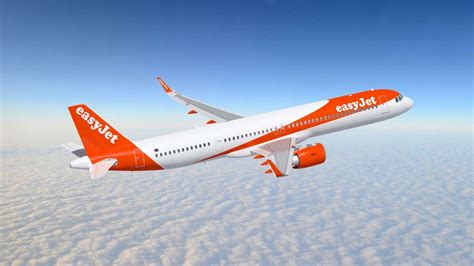
easyJet Introduces 13 New Winter Routes Across the United Kingdom
The newly announced routes begin launching in late October and continue through January, providing passengers with greater flexibility during the winter travel season.
Among the most notable additions is the new service between Manchester and Cairo’s Sphinx International Airport. Located near the iconic Pyramids of Giza, Sphinx Airport has become an increasingly important gateway for tourists seeking easier access to Egypt’s most famous historical attractions. The Manchester connection further expands easyJet’s growing presence in the Egyptian market and strengthens links between Northern England and North Africa.
London Luton Airport will gain flights to Kittilä in Finnish Lapland, a destination renowned for its ski resorts, snow-covered landscapes, and exceptional opportunities to witness the aurora borealis. Luton will also welcome a new route to Strasbourg, the French city widely regarded as the “Capital of Christmas” due to its historic festive markets and seasonal celebrations.
Liverpool passengers will gain access to both Reykjavik and Kittilä, creating new opportunities for travelers interested in Icelandic landscapes and Arctic experiences. Meanwhile, Birmingham will receive a new link to Copenhagen, one of Northern Europe’s most popular cultural and lifestyle destinations.
Perhaps one of the most strategically significant additions is the launch of flights between Newquay and Geneva. The service will provide Cornwall with its first international easyJet route and create a direct connection to one of Europe’s leading ski gateways, opening new travel possibilities for residents of Southwest England.
The route portfolio reflects a carefully diversified approach. Rather than relying on a single category of demand, easyJet has positioned itself to attract a wide range of travelers throughout the winter season.
Winter Sun, Ski Resorts, and City Breaks Drive Route Selection
The latest network expansion reveals how airlines are increasingly adapting to changing travel patterns. Modern leisure travelers no longer fit neatly into a single category, and easyJet’s new route map appears designed to capture multiple motivations for travel.
Destinations such as Hurghada and Cairo cater to passengers seeking warmer temperatures and cultural tourism during Europe’s colder months. Egypt continues to benefit from strong demand among travelers looking for affordable winter escapes while maintaining access to world-famous historical sites.
At the same time, Geneva, Kittilä, and Rovaniemi target winter sports enthusiasts and adventure travelers. Demand for ski holidays and Arctic tourism has grown steadily in recent years, particularly among families and travelers searching for unique seasonal experiences.

Meanwhile, Copenhagen, Berlin, Strasbourg, Reykjavik, Barcelona, and Edinburgh serve the ever-popular city-break market. These destinations offer a mix of cultural attractions, festive events, culinary experiences, and short-stay tourism opportunities that remain attractive throughout the winter season.
The addition of Strasbourg is particularly noteworthy. The city’s Christmas market tradition dates back centuries and attracts visitors from around the world each year. By introducing direct flights from London Luton, easyJet is positioning itself to benefit from growing demand for festive tourism.
This multi-segment strategy helps reduce reliance on any single travel trend while maximizing aircraft utilization throughout the winter months.
Newcastle Airport Emerges as easyJet’s Fastest-Growing UK Base
While the route announcement spans eight airports, Newcastle Airport stands out as the primary beneficiary of easyJet’s latest expansion plans.
Five of the thirteen newly announced services originate from Newcastle, including flights to Barcelona, Hurghada, Copenhagen, Berlin, and Rovaniemi. The additions increase easyJet’s Newcastle network to 31 routes, representing remarkable growth within a relatively short period.
The airline only opened its Newcastle base in March 2026, making it the company’s eleventh UK base. Since then, expansion has progressed at an aggressive pace.
Three aircraft are now based permanently at Newcastle, supporting both operational efficiency and employment growth. The airline estimates that approximately 1,200 jobs are supported by its activities at the airport, including 140 direct positions for pilots and cabin crew.
When the base launched earlier this year, easyJet introduced 22 routes and operated up to 86 weekly flights. The winter additions significantly expand that footprint and demonstrate confidence in the region’s long-term demand potential.
The airline also expects to offer more than 800,000 seats from Newcastle during the summer 2026 season, underscoring the airport’s growing importance within its broader UK strategy.
Competing in a Highly Competitive Regional Market
Newcastle may represent a major opportunity, but it is also one of the UK’s most competitive regional aviation markets.
easyJet faces strong competition from established operators that already possess significant market presence and customer loyalty. Jet2 remains one of the airport’s dominant carriers, offering an extensive portfolio of flights and holiday packages across Europe and beyond.
Ryanair continues to compete aggressively on price, maintaining a network of low-cost services to numerous European destinations. TUI also maintains a substantial operation, serving both short-haul and long-haul leisure markets.
The competitive environment makes easyJet’s rapid expansion particularly noteworthy. Rather than avoiding established rivals, the airline is actively increasing capacity and broadening destination choice in an effort to strengthen its position.
The strategy aligns closely with broader industry trends, where airlines increasingly view regional airports as critical growth opportunities. Congestion and operational constraints at major hubs have encouraged carriers to seek expansion through underserved or growing regional markets.
For easyJet, Newcastle represents a chance to build customer loyalty while increasing market share outside its traditional strongholds.
Why the Expansion Matters Beyond Route Growth
The timing of easyJet’s announcement carries additional significance because it coincides with ongoing investor interest in the airline.
US investment firm Castlelake has reportedly been evaluating a potential bid for easyJet, although no formal offer has been submitted. The interest reflects broader confidence in the long-term value of major European aviation assets despite recent market challenges.
easyJet remains one of Europe’s most recognizable airline brands, operating an all-Airbus fleet of more than 300 aircraft and serving over 160 airports across 35 countries. The carrier transported more than 100 million passengers during 2025 and continues to expand its holidays division, which generates additional revenue beyond ticket sales alone.
However, the company has also faced headwinds. Rising fuel costs, geopolitical uncertainty, and softer consumer demand in certain markets have weighed on financial performance. Recent results included a substantial first-half loss, prompting management to adopt a cautious outlook regarding the remainder of the year.
Against this backdrop, route expansion serves an important strategic purpose. While airlines cannot directly control fuel prices or geopolitical developments, they can influence revenue opportunities through network planning and capacity deployment.
The latest winter routes demonstrate that easyJet continues to invest in growth despite industry challenges. By expanding into high-demand leisure markets and strengthening regional bases such as Newcastle, the airline is reinforcing its long-term business model while showcasing future earnings potential.
easyJet Signals Confidence in Long-Term Growth
The addition of 13 new winter routes represents more than a seasonal schedule update. It reflects a broader strategy focused on diversification, regional expansion, and revenue growth across multiple travel segments.
From Lapland adventures and ski holidays to Egyptian sunshine and European city breaks, the new network offers passengers a wider selection of destinations while strengthening easyJet’s competitive position across the UK.
Most importantly, the expansion highlights the airline’s willingness to continue investing during a period of market uncertainty. As investor attention intensifies and competition remains fierce, easyJet is sending a clear message: its future growth strategy extends far beyond simply offering low fares.
By building stronger regional operations, expanding leisure-focused connectivity, and enhancing destination choice, the airline is positioning itself for long-term resilience in an increasingly dynamic European aviation market.