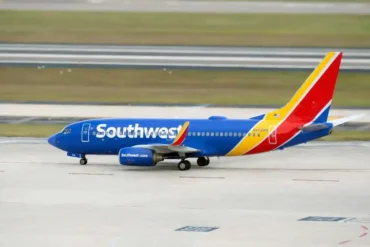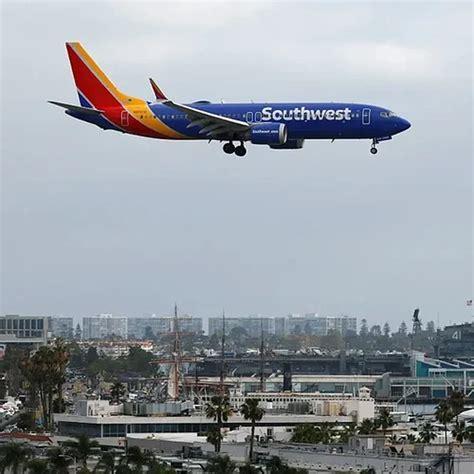
Southwest Airlines is making a significant push to expand its presence beyond the United States with eight new international routes added to its upcoming network. While international flying remains a small portion of the carrier’s overall operation, these additions highlight a broader strategy to strengthen leisure markets, improve connectivity, and create new opportunities for passengers traveling to popular vacation destinations.
From July through the end of the year, Southwest plans an average of 42 daily departures outside the United States. International flights represent only around 1% of the airline’s total schedule, but the segment is growing faster than its domestic operation. The carrier’s international network is expected to increase by 5% year-over-year, compared with slower growth across its much larger domestic market.
The expansion does not represent a complete transformation into an international airline. Instead, Southwest is carefully adding routes where it sees strong leisure demand, competitive opportunities, and the ability to connect passengers through its large domestic network.
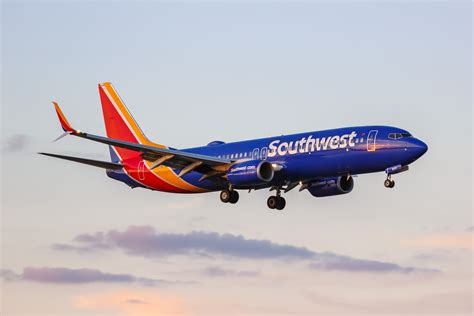
Southwest Airlines Adds Eight International Routes Across Popular Leisure Markets
Southwest’s updated schedule shows 71 international routes operating between July and December 2026. Compared with the same period in 2025, the airline has added eight new airport connections that either recently launched or are scheduled to begin later in the year.
The new routes connect travelers from cities including San Diego, Kansas City, Orlando, Baltimore, and Las Vegas to destinations across Mexico, the Caribbean, and Central America. The expansion focuses heavily on vacation markets where passengers are looking for affordable nonstop options.
The eight additions include:
- San Diego International Airport (SAN) to Puerto Vallarta (PVR), returning Southwest to the market after last serving the route in 2020.
- Kansas City International Airport (MCI) to Punta Cana (PUJ), a completely new destination for Southwest.
- Orlando International Airport (MCO) to St. Maarten (SXM), adding a Caribbean option from one of Southwest’s major leisure airports.
- Baltimore/Washington International Thurgood Marshall Airport (BWI) to St. Maarten (SXM), introducing another connection to the Caribbean.
- Las Vegas Harry Reid International Airport (LAS) to Cancun International Airport (CUN), marking Southwest’s first international route from Las Vegas.
- Las Vegas to Los Cabos (SJD), expanding access to Mexico’s Baja California resort market.
- Las Vegas to Puerto Vallarta (PVR), launching in November 2026.
- Las Vegas to San José, Costa Rica (SJO), becoming Southwest’s newest Central American route.
Together, these routes add 11 airports and more than 13,000 network miles, giving Southwest a stronger international footprint while maintaining its focus on high-demand leisure travel.
Las Vegas Becomes a Key International Gateway for Southwest
One of the biggest developments in Southwest’s expansion is the arrival of international service from Las Vegas Harry Reid International Airport. Despite Las Vegas being one of Southwest’s most important airports, the airline had never operated international flights from the city before this expansion.
Las Vegas is Southwest’s second-largest airport by flight volume after Denver International Airport. Because of its size, location, and strong tourism market, many industry observers viewed international flying from LAS as a natural opportunity for the airline.
The new Las Vegas routes target destinations with existing passenger demand. Recent booking data showed that the four international markets added from LAS had significant round-trip traffic, ranging from approximately 33,000 passengers for San José, Costa Rica, to around 120,000 passengers for Cancun.
Southwest’s entrance into these markets could stimulate additional demand by offering the airline’s large customer base new nonstop options. The carrier’s famous low-fare approach and broad domestic network may help attract travelers who previously chose competitors for international leisure trips.
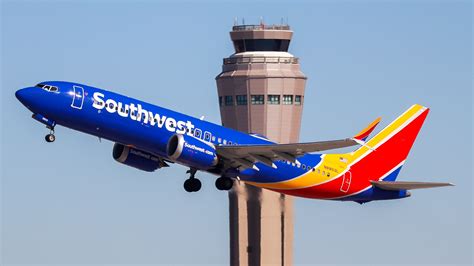
Southwest Uses International Routes to Strengthen Network Connectivity
Although these flights serve vacation destinations, they are also designed to improve Southwest’s broader network strategy. The airline has historically relied on connecting passengers through major domestic airports before sending them overseas.
Adding international flights from Las Vegas allows Southwest to create another gateway for western US travelers. Passengers from nearby cities can connect through LAS rather than traveling through other Southwest hubs.
The airline’s route planners must balance convenience, aircraft utilization, and passenger demand. A nonstop international route is only successful when it attracts enough local travelers while also benefiting from connecting traffic.
This approach is especially important for the new Las Vegas to San José route, which will become Southwest’s longest international operation.
Southwest’s Longest International Flight Targets Costa Rica Demand
The new Las Vegas-San José service represents a milestone for Southwest. Covering approximately 2,297 nautical miles (4,254 kilometers) each way, the route will become the airline’s longest international flight by distance.
The flight will also hold the title for Southwest’s longest international operation by schedule duration, with maximum block times reaching around six hours and ten minutes.
The outbound flight will depart Las Vegas late at night and arrive in Costa Rica the following morning, while the return service will operate during the afternoon. The daily schedule provides opportunities for both vacation travelers and connecting passengers.
Connectivity will be a major factor in the route’s performance. Southwest expects passengers from several western US cities to use Las Vegas as a connection point. The airline can link travelers from destinations along the West Coast and nearby regions, expanding the potential customer base beyond the immediate Las Vegas market.
Southwest’s International Expansion Shows a Selective Growth Strategy
Despite the addition of eight international routes, Southwest’s international network has not dramatically expanded in every direction. During the same period, the airline also removed seven international services, including routes from Chicago O’Hare International Airport to Cancun and Colorado Springs to Cancun.
As a result, the airline’s international network has grown by only one net route compared with the previous year. This shows that Southwest is not simply adding flights for the sake of expansion. Instead, it is adjusting its network by removing weaker markets and investing in routes with stronger potential.
The strategy reflects a changing Southwest Airlines. The carrier is becoming more flexible in how it approaches international flying while continuing to focus on profitable leisure destinations.
A New Chapter for Southwest’s International Ambitions
Southwest’s latest international expansion demonstrates how the airline is evolving beyond its traditional domestic-focused identity. The eight new routes provide access to popular destinations while creating more options for passengers across the United States.
The introduction of international flights from Las Vegas is particularly important because it opens a new gateway for the airline and strengthens its western network. Meanwhile, routes to Mexico, the Caribbean, and Costa Rica allow Southwest to compete more directly in the growing leisure travel market.
Rather than becoming a global carrier, Southwest appears focused on building a carefully selected international network that complements its domestic strength. These new routes show that even a small percentage of international flying can play an important role in the airline’s long-term growth strategy.