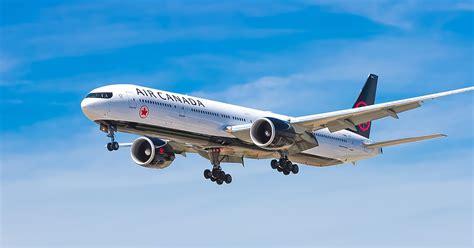
Air Canada is implementing a strategic suspension of its nonstop Toronto–Jacksonville route, marking a significant move in the airline’s ongoing efforts to recalibrate its North American network amid evolving market dynamics. The seasonal pause, effective from November 2025, reflects Air Canada’s renewed focus on optimizing capacity, enhancing profitability, and ensuring resource alignment with peak-demand markets.
The direct connection between Toronto Pearson International Airport (YYZ) and Jacksonville International Airport (JAX), currently the only nonstop link between Canada’s financial capital and Northeast Florida, will temporarily halt operations for the upcoming winter travel season. However, Air Canada has confirmed its intention to reinstate the service by March 2026, aligning with anticipated surges in leisure and business travel as warmer months approach.

Air Canada’s Data-Driven Approach to Network Optimization
The Toronto–Jacksonville route has traditionally served as a vital corridor for both vacationers seeking Florida’s beaches and business travelers connecting the Canadian and Floridian markets. Operated by Jazz Aviation, a trusted Air Canada Express partner, the route employs the Bombardier CRJ 900, a 76-seat regional jet known for its efficiency on short-haul flights, covering the journey in approximately two and a half hours.
Yet, recent trends indicate a noticeable softening in demand, particularly for Jacksonville-bound travel during off-peak months. In response, Air Canada is adopting a pragmatic approach that prioritizes fleet utilization, workforce allocation, and profitability by reallocating resources to markets demonstrating stronger, more stable demand.
This measured network realignment mirrors broader airline industry trends, where major carriers emphasize “de-risking” operations and agile adjustments based on seasonal performance and passenger trends. Air Canada’s winter scheduling decision underscores its proactive strategy to remain competitive while maintaining robust North American connectivity.
Premium Access to High-Demand U.S. Hubs
While the Jacksonville route undergoes this winter hiatus, Air Canada is reinforcing its premium access to major U.S. destinations, including:
- Miami: A critical hub for leisure travelers, cruise connections, and South American gateways.
- Atlanta: Home to the world’s busiest airport and a key business travel node.
- Charlotte: An essential center for finance, commerce, and Southeast U.S. connectivity.
These high-performing routes remain integral to Air Canada’s transborder operations, ensuring Canadian travelers retain convenient options for accessing top U.S. markets during the winter season.
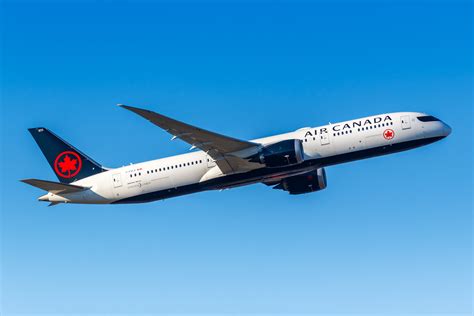
The carrier’s decision to sustain and enhance these routes reflects a deliberate focus on leveraging routes with consistent demand profiles, enabling more reliable scheduling, improved aircraft utilization, and superior customer experience.
Market Dynamics Behind the Temporary Suspension
Air Canada’s choice to suspend the Toronto–Jacksonville service is grounded in more than seasonal travel patterns. The broader geopolitical landscape, notably evolving diplomatic and trade tensions between Canada and the United States, plays an undercurrent role in influencing traveler behavior and route performance.
Although Air Canada has not explicitly linked bilateral challenges to this route adjustment, shifting consumer sentiment, coupled with fluctuating economic conditions, undoubtedly shapes airline decisions. The company continues to monitor these external factors while safeguarding network resilience and profitability.
Crucially, Air Canada emphasizes this is a temporary strategic pause, not a retreat from U.S. markets. The airline remains committed to robust cross-border connectivity, adapting route structures to ensure long-term viability and responsiveness to shifting realities.
Anticipated Return for Spring and Summer 2026
Air Canada’s proactive announcement of a March 2026 resumption for the Toronto–Jacksonville route reflects calculated confidence in a seasonal rebound. Historically, Florida ranks among the most coveted U.S. destinations for Canadian travelers, with demand peaking in spring and summer as vacationers flock to the Sunshine State’s beaches and cultural attractions.
Although specifics regarding the resumed flight schedule or aircraft deployment are pending, industry observers expect Air Canada to maintain comparable service levels, likely with the Bombardier CRJ 900 or a similarly configured regional aircraft.
For travelers reliant on the direct Toronto–Jacksonville connection, alternative options will be available via Air Canada’s strengthened U.S. network, including seamless connections through Atlanta, Charlotte, and Miami. The airline is poised to offer flexible rebooking options and travel assistance as part of its commitment to mitigating passenger disruption.

Strategic Resilience Amid Industry-Wide Trends
Air Canada’s temporary service suspension highlights the carrier’s alignment with post-pandemic industry priorities, where agility, data-driven planning, and high-performing route focus are paramount. Airlines globally are recalibrating networks to strike a balance between operational efficiency and evolving travel patterns.
This trend sees carriers favoring:
- Concentration of capacity on routes with proven demand stability.
- Seasonal adjustments to mitigate financial risk.
- Enhanced flexibility in fleet and crew allocation.
- Strengthened partnerships to preserve customer connectivity.
Air Canada’s approach embodies these principles, signaling that the Jacksonville suspension is a calculated maneuver within a broader resilience strategy—not a withdrawal from its U.S. ambitions.
Long-Term Vision for North American Travel
Looking ahead, the March 2026 comeback of the Toronto–Jacksonville flight reinforces Air Canada’s commitment to maintaining its stature as a premier North American airline. By aligning route offerings with seasonal demand peaks and geopolitical considerations, the airline enhances its capacity to deliver reliable, customer-focused service.
This deliberate reintroduction of service will restore a critical link between Canada’s largest metropolis and Northeast Florida, catering to both leisure seekers and business travelers alike. Moreover, it complements Air Canada’s broader North American footprint, ensuring Canadians have access to vital U.S. destinations year-round.
The airline’s steady navigation through changing market conditions demonstrates a commitment to long-term sustainability, strategic growth, and operational excellence—qualities that define Air Canada’s position within the competitive global aviation landscape.
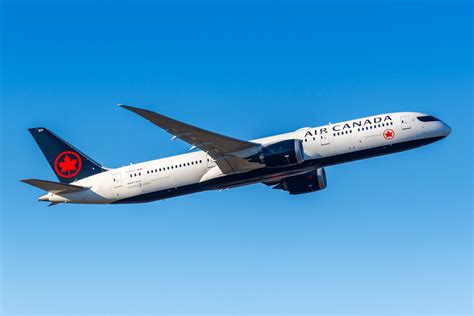
As March 2026 approaches, Air Canada’s calculated re-entry into the Jacksonville market serves as both a customer reassurance and a symbol of its enduring investment in North American travel. Passengers can anticipate seamless access to Florida’s northeast coast, reinforcing Air Canada’s reputation for adaptive, customer-centric service.
Travelers are encouraged to stay informed of updated schedules and booking options as the seasonal return of this vital route draws nearer.