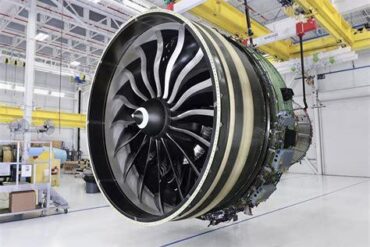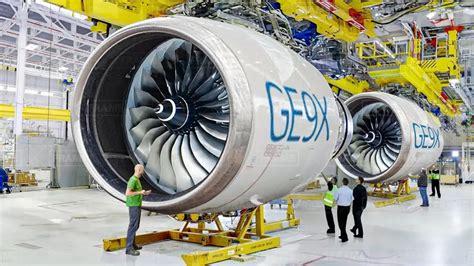
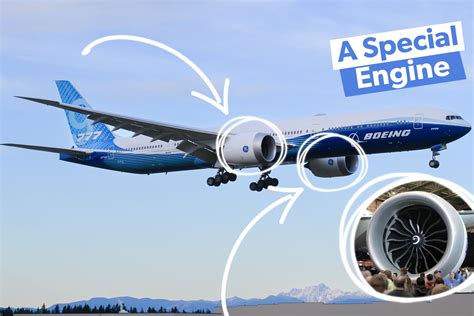
The GE9X engine developed by General Electric Aerospace represents one of the most ambitious engineering projects in commercial aviation history. Designed exclusively for the Boeing 777X, the world’s largest twin-engine commercial aircraft, this powerplant combines enormous thrust capability, advanced materials, and unprecedented efficiency. With a list price estimated between $40 million and $45 million per engine, the GE9X has become the most expensive commercial aircraft engine ever offered.
However, the price tag tells only part of the story. A modern turbofan engine is not simply a machine attached beneath an aircraft wing. It is the result of decades of research, billions of dollars in investment, thousands of engineering decisions, and an extremely complex global manufacturing system. For airlines, the GE9X represents a massive upfront investment, but it also promises lower fuel consumption, improved reliability, and reduced operating costs throughout its service life.
The GE9X’s remarkable cost comes from a combination of factors: its enormous physical scale, cutting-edge technology, exclusive position on the 777X, and the billions General Electric invested to bring it from concept to reality.
The GE9X Price Tag: Why One Engine Costs More Than Many Private Jets
A single GE9X engine carries a list price of approximately $40 million to $45 million, meaning that a twin-engine Boeing 777X requires between $80 million and $90 million worth of propulsion equipment alone. That figure is higher than the purchase price of many large private aircraft, highlighting the extraordinary financial scale of modern commercial aviation technology.
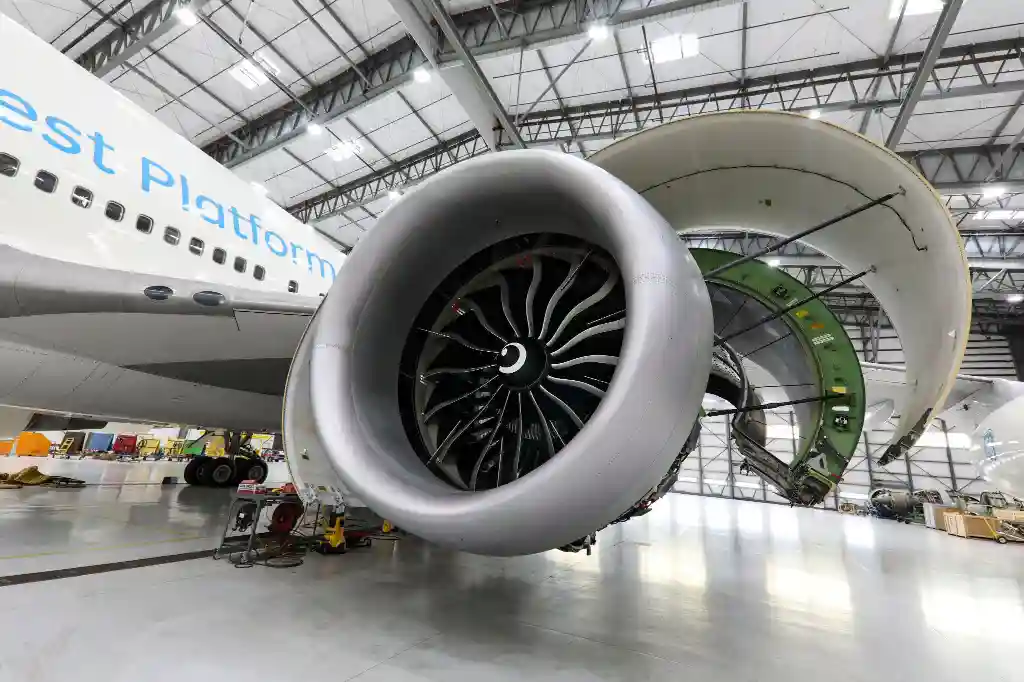
The GE9X is significantly more expensive than previous-generation widebody engines. The earlier GE90-115B, which powers the Boeing 777-300ER, has a list price of around $30 million. Meanwhile, the Rolls-Royce Trent XWB, the exclusive engine for the Airbus A350 family, is estimated at approximately $25 million per unit.
Airlines rarely pay the full list price because aircraft and engine purchases involve complex negotiations. Large carriers can secure substantial discounts through bulk orders, long-term agreements, and maintenance packages. Nevertheless, even after discounts are applied, the GE9X remains one of the most valuable commercial aviation components ever produced.
The actual financial arrangements can vary significantly. Emirates, the largest Boeing 777X customer with hundreds of aircraft ordered, agreed to a major engine deal when it committed to the aircraft program. Singapore Airlines also secured GE9X engines as part of a package that included long-term maintenance support, demonstrating that airlines often evaluate engines as complete lifecycle investments rather than simple equipment purchases.
Development Costs Behind The GE9X’s Extraordinary Price
The biggest reason behind the GE9X’s enormous cost is the expense required to develop a completely new generation of commercial aircraft engine. Creating a modern widebody turbofan requires billions of dollars in research, testing, certification, manufacturing preparation, and supply chain development.
A new commercial engine program can require more than $10 billion in development investment before the first airline customer begins operations. General Electric invested heavily in new manufacturing facilities, specialized equipment, and production technologies to support the GE9X program.
The company spent billions expanding manufacturing capabilities, including investments in factories, tooling, and advanced production systems. These costs must eventually be recovered through engine sales, spare parts, and long-term maintenance contracts.
Unlike many consumer products, aircraft engines generate revenue throughout their entire operational lifetime. Manufacturers often earn significant income through decades of maintenance, repair, overhaul services, replacement parts, and technical support. For this reason, the purchase price of a GE9X is only one part of a much larger economic model.
A Technological Giant With Record-Breaking Specifications
The GE9X is not expensive simply because it is large. Its price reflects the advanced technology packed inside one of the most sophisticated machines ever created for commercial aviation.
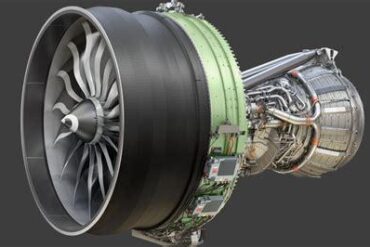
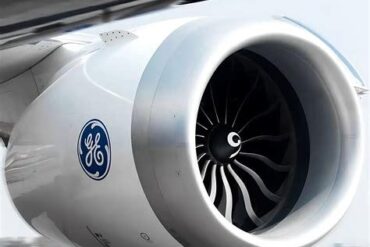
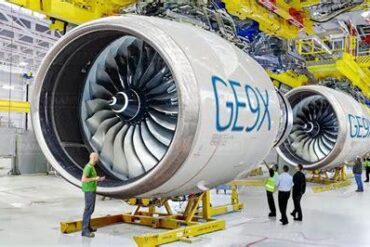
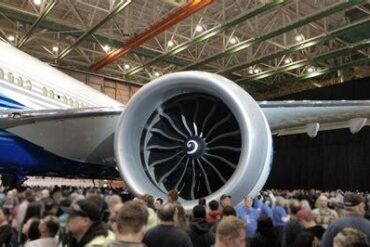
The engine weighs approximately 21,000 pounds (9,500 kilograms) and contains around 35,370 individual components. Its fan diameter measures 134 inches (3.4 meters), making it the largest front fan ever installed on a commercial aircraft engine.
The engine produces a maximum tested thrust of approximately 134,300 pounds (597 kN), allowing the Boeing 777X to carry passengers and cargo across some of the world’s longest routes. Achieving this level of power while maintaining efficiency required engineers to rethink traditional engine design.
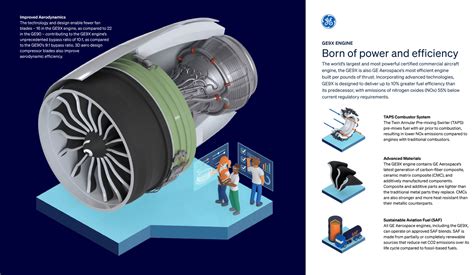
One of the GE9X’s most important features is its 10:1 bypass ratio, which means a large amount of air moves around the engine core instead of passing directly through combustion chambers. This improves efficiency by creating more thrust with less fuel consumption.
The engine also features an impressive 60:1 overall pressure ratio, allowing it to extract more energy from each unit of fuel. Higher pressure ratios improve combustion efficiency but create enormous engineering challenges because internal temperatures and stresses become much more extreme.
Advanced Materials That Make The GE9X Possible
One of the biggest technological breakthroughs inside the GE9X is the extensive use of ceramic matrix composites (CMCs). These materials are lighter and stronger than traditional metal alloys and can withstand temperatures beyond what conventional engine components can tolerate.
More than 100 GE9X components use CMC technology. These parts can operate at temperatures exceeding 2,000°F (1,100°C) while requiring less cooling airflow. This allows the engine to operate more efficiently because less energy is wasted protecting components from extreme heat.
The development of these materials did not happen overnight. General Electric spent approximately 30 years advancing composite technology through earlier programs, including the GE90, GEnx, and CFM LEAP engines. The GE9X represents the result of decades of experimentation and gradual improvement.
The company’s investment in lightweight composite fan blades is another major factor behind the engine’s performance. The fan uses fourth-generation composite technology, providing exceptional strength while reducing weight compared with traditional metal designs.
Fuel Efficiency: The Reason Airlines Are Willing To Pay More
For airlines, the GE9X’s purchase price is significant, but fuel savings represent the real long-term value. Fuel is one of the largest operating expenses for commercial carriers, especially on long-haul routes.
General Electric describes the GE9X as its most fuel-efficient engine ever produced in its thrust category. It offers approximately 10% lower specific fuel consumption compared with the GE90-115B and around **5% better efficiency than competing twin-aisle engines.
The Boeing 777X was designed around this engine’s capabilities. The aircraft combines a larger wingspan, folding wingtips, aerodynamic improvements, and the GE9X’s efficiency advantages to reduce operating costs compared with earlier-generation aircraft.
For airlines operating hundreds of long-distance flights each year, even small efficiency improvements can translate into millions of dollars in annual savings. The expensive engine purchase becomes an investment designed to reduce costs over decades of service.
Why The GE9X Has No Direct Competition On The Boeing 777X
Another factor contributing to the GE9X’s high price is its exclusive relationship with the Boeing 777X. Unlike previous Boeing 777 models, which offered engine choices from General Electric, Rolls-Royce, and Pratt & Whitney, the 777X is available only with the GE9X.
This gives General Electric a unique market position. Airlines ordering the 777X cannot negotiate between multiple engine suppliers because there is no alternative powerplant available.
Exclusive engine arrangements have become more common in modern widebody aviation because developing a new engine requires enormous financial commitment. Manufacturers typically need a guaranteed aircraft program before investing billions into a new design.
Rolls-Royce holds a similar exclusive position with the Airbus A350, where its Trent XWB engine is the only available option. These agreements allow manufacturers to recover development costs but reduce competition during aircraft sales.
Engineering Challenges And GE9X Development Problems
Despite its groundbreaking technology, the GE9X program has faced challenges during development and testing. Building the world’s largest and most advanced commercial engine involves solving extremely difficult engineering problems.
During testing, General Electric discovered issues requiring redesign work on certain engine components. These challenges highlight the complexity of creating a powerplant that must deliver massive thrust while operating safely for thousands of flight cycles.
The GE9X program has undergone extensive testing, including tens of thousands of cycles designed to simulate years of airline operation. General Electric has stated that the engine will become one of the most tested programs in the company’s history before entering commercial service.
These difficulties also explain why next-generation aircraft engines are so expensive. Every component must meet strict aviation safety standards, and failures can result in costly redesigns, delays, and additional testing.
The GE9X Represents The Future Of Commercial Aviation
The GE9X is more than an expensive engine; it represents the direction of future commercial aviation. Airlines increasingly demand aircraft that can fly farther while burning less fuel and producing fewer emissions.
The engine’s 50% reduction in NOx emissions compared with previous engines in its class, advanced materials, and improved efficiency demonstrate how aviation manufacturers are responding to environmental and economic pressures.
The price of the GE9X reflects the enormous effort required to achieve these improvements. Behind every engine is decades of research, billions of dollars in investment, and thousands of engineers working to push the boundaries of what is possible.
When the Boeing 777X eventually enters commercial service, the GE9X will become the centerpiece of one of the most advanced passenger aircraft ever built. Its record-breaking cost is not simply the price of a machine; it is the result of decades of innovation, risk, and engineering ambition.