Modern airports are no longer just transportation hubs. The world’s largest airports operate like self-contained cities, complete with logistics districts, maintenance complexes, rail systems, hotels, shopping zones, and future expansion corridors stretching across dozens or even hundreds of square kilometers. While passenger statistics often dominate aviation headlines, physical size tells a very different story about ambition, national planning, and long-term economic strategy.
Some of these mega-airports were built to solve congestion in fast-growing cities. Others emerged from geopolitical positioning, tourism demand, or the need for massive cargo operations. In every case, land area translates directly into operational flexibility. Bigger airports can add runways, absorb traffic surges, develop cargo ecosystems, and prepare for aviation growth decades before it arrives.
From the deserts of Saudi Arabia to the sprawling plains of Colorado and the coastal megacity of Shanghai, these airports demonstrate how aviation infrastructure has become a defining symbol of national influence and economic power.
Shanghai Pudong International Airport — China’s Expanding Gateway to the World
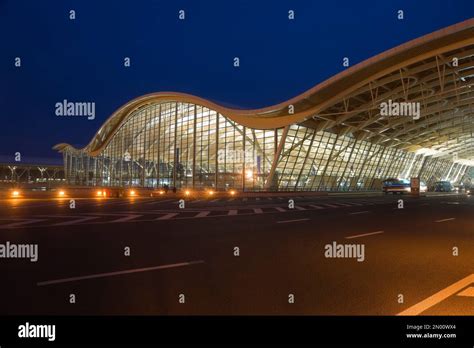
Shanghai Pudong International Airport occupies approximately 40 square kilometers on the eastern side of Shanghai, making it the tenth-largest airport currently in operation. Opened in 1999 to relieve pressure from Shanghai Hongqiao International Airport, Pudong rapidly evolved into one of Asia’s most critical aviation hubs.
The airport’s location near the East China Sea gives it strategic access to international air routes connecting Asia with Europe, North America, Oceania, and the Middle East. Pudong is particularly significant for cargo operations, with Shanghai ranking among the busiest cargo markets on Earth. Massive logistics facilities surround the airport, feeding China’s manufacturing and export economy.
Its enormous footprint supports multiple runways, expansive terminals, satellite concourses, and dedicated freight infrastructure. Airlines such as China Eastern Airlines and Shanghai Airlines use Pudong as a central hub, while countless foreign carriers rely on it as a key entry point into mainland China.
The airport’s scale mirrors Shanghai itself: fast-moving, commercially aggressive, and constantly expanding. Even within its already substantial land reserve, future development remains a major part of Pudong’s long-term strategy.
George Bush Intercontinental Airport — Houston’s Aviation Engine
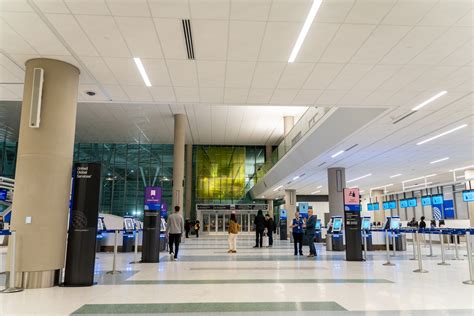
Houston’s George Bush Intercontinental Airport covers roughly 44.5 square kilometers, ranking ninth among the world’s largest operational airports. Located in one of America’s most economically influential cities, the airport plays a major role in energy, healthcare, aerospace, and international trade.
Houston’s strong ties with Latin America make the airport especially important for north-south connectivity. Flights from IAH link the United States with Mexico, Central America, South America, and major intercontinental destinations across Europe and Asia.
The airport’s large land area allows for extensive runway separation, reducing congestion and improving operational efficiency during peak periods. Cargo facilities occupy a substantial portion of the property, reflecting Houston’s role as a global trade center. Wide expanses of land also provide resilience during severe weather operations, a valuable advantage in a Gulf Coast climate known for storms and heavy rainfall.
IAH functions as far more than a passenger airport. It is an economic artery for the entire southern United States, supporting industrial logistics, energy-sector mobility, and long-haul global commerce.
Orlando International Airport — Tourism on a Massive Scale
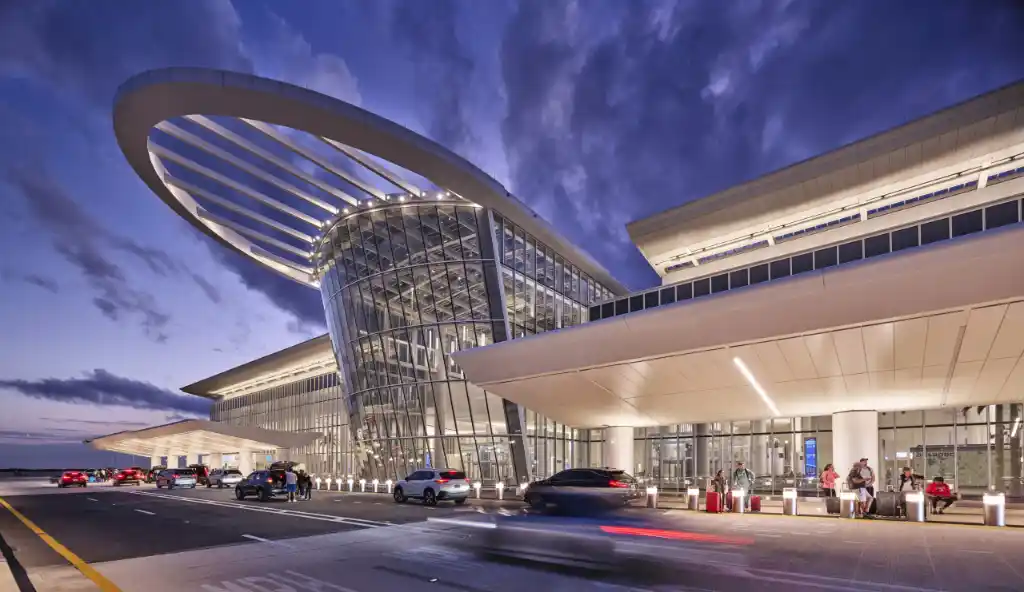
Orlando International Airport spans approximately 46.9 square kilometers in central Florida, where tourism demand has transformed the airport into one of the busiest leisure gateways in the world.
Originally developed from a military airfield, Orlando International now serves tens of millions of passengers heading toward Florida’s famous attractions, including Walt Disney World, Universal Orlando Resort, nearby cruise ports, and Atlantic coast beaches. Unlike many large airports driven primarily by business traffic, Orlando’s operations revolve around vacation flows, seasonal peaks, and family travel patterns.
This tourism-heavy identity shapes the airport’s infrastructure. Massive parking areas, rental car centers, terminal expansions, and people-mover systems all occupy large sections of the property. International service continues to grow as European, Canadian, and Latin American visitors flood into central Florida year-round.
The airport’s spacious layout helps it handle enormous holiday surges without the intense congestion seen at older, land-constrained airports. Orlando International feels deliberately oversized because Florida’s tourism economy practically demands it.
Beijing Daxing International Airport — China’s Futuristic Aviation Megaproject
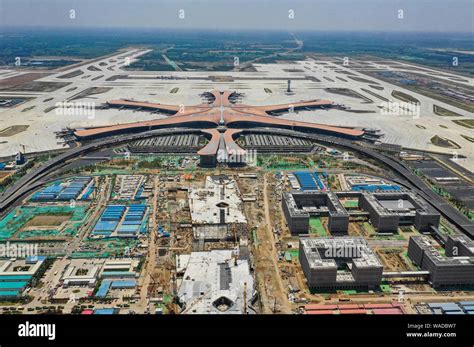
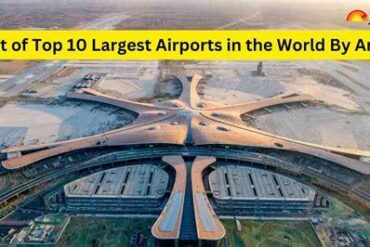
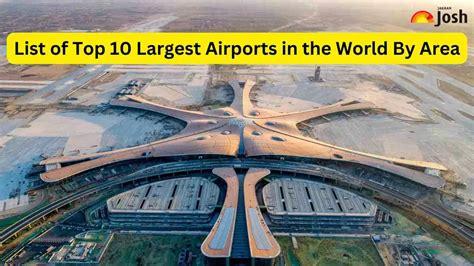
Beijing Daxing International Airport represents one of the boldest airport construction projects of the 21st century. Occupying around 47 square kilometers south of Beijing, Daxing was designed to absorb future aviation demand for one of the world’s largest metropolitan regions.
The airport immediately became famous for its futuristic starfish-shaped terminal designed by the late architect Zaha Hadid. The layout dramatically reduces walking distances while maximizing operational efficiency. Unlike many giant airports where passengers spend endless time navigating corridors, Daxing’s radial design keeps gates relatively accessible from the central core.
Beyond architecture, the airport symbolizes China’s long-term infrastructure philosophy. The enormous land reserve supports multiple runways, integrated rail connections, cargo zones, and future terminal growth. High-speed rail links connect the airport directly to Beijing and neighboring provinces, transforming it into a regional transportation superhub rather than simply an airport.
Daxing was built not just for current demand, but for decades of projected aviation growth. Its scale reflects confidence in China’s expanding middle class, international connectivity ambitions, and growing influence in global aviation.
Washington Dulles International Airport — America’s Diplomatic Air Bridge
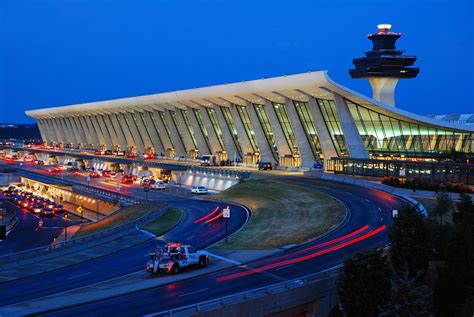
Washington Dulles International Airport occupies approximately 47.8 square kilometers west of the US capital. Since opening in 1962, Dulles has served as one of America’s primary international gateways and a major hub for diplomatic travel.
The airport was designed during an era when aviation represented futuristic optimism. Wide spacing between facilities, long runways, and large undeveloped areas reflected expectations of enormous future air traffic growth. Decades later, those planning decisions continue to benefit operations.
Dulles handles substantial transatlantic traffic, government travel, and international business movement linked to Washington’s political importance. United Airlines maintains a major hub there, while foreign carriers connect the airport to capitals and financial centers across the globe.
One of Dulles’ defining features is its physical openness. Unlike airports trapped by urban development, Dulles still possesses room to expand. The large footprint supports additional runways, cargo facilities, and infrastructure upgrades without the severe land constraints faced by airports in older metropolitan areas.
The airport’s sweeping architecture and spacious layout also give it a distinctly monumental feel. In many ways, Dulles reflects the political symbolism of the city it serves.
Dallas/Fort Worth International Airport — A City Built Around Aviation
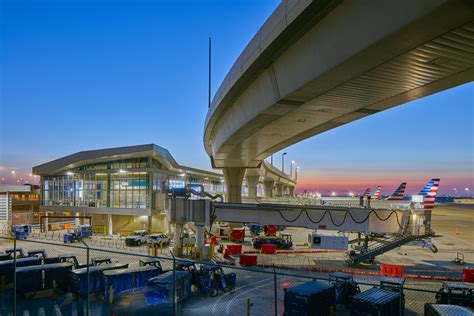
Dallas/Fort Worth International Airport covers nearly 69.7 square kilometers, making it one of the largest and most operationally complex airports in the world.
Positioned between two major Texas cities, DFW was intentionally designed as a regional mega-hub capable of supporting enormous passenger and cargo volumes. Today, it functions almost like an independent municipality. The airport contains police departments, fire stations, office complexes, hotels, warehouses, and an internal road system extensive enough to resemble a suburban highway network.
DFW’s massive footprint enables simultaneous runway operations at a scale few airports can match. Aircraft movements remain remarkably efficient despite the airport’s enormous traffic volume. American Airlines uses DFW as one of its largest hubs, feeding passengers across North America and into global markets.
The airport’s scale also reflects Texas itself: expansive, commercially ambitious, and designed for growth. Freight operations continue to expand alongside passenger traffic, reinforcing DFW’s role as a logistics powerhouse in the American South.
Few airports demonstrate the relationship between land area and operational dominance more clearly than Dallas/Fort Worth.
Istanbul Airport — The Crossroads of Continents
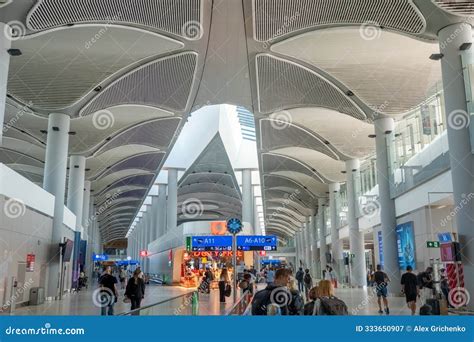
Istanbul Airport occupies roughly 76.5 square kilometers on the European side of Turkey’s largest city. Its strategic location between Europe, Asia, Africa, and the Middle East makes it one of the most geographically important airports on Earth.
Turkey’s aviation strategy revolves heavily around Istanbul’s unique positioning. Flights connecting dozens of countries can transit through the city with minimal detour, allowing Turkish Airlines to build one of the world’s largest international route networks.
The airport’s immense scale was necessary from the beginning. Istanbul’s older Atatürk Airport struggled with congestion and expansion limitations, while the new airport was designed for long-term global dominance. Multiple runways, giant terminals, extensive cargo zones, and future expansion corridors all required vast amounts of land.
Inside the airport, the scale becomes almost cinematic. High ceilings, expansive retail areas, and massive passenger halls reflect Istanbul’s ambition to compete directly with Doha, Dubai, and other major intercontinental transit hubs.
Its enormous footprint is not simply about handling current demand. Istanbul Airport was built to position Turkey as a permanent aviation bridge between continents.
Kuala Lumpur International Airport — Southeast Asia’s Aviation Giant
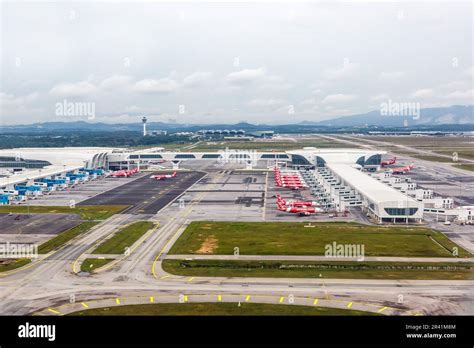
Kuala Lumpur International Airport spans approximately 100 square kilometers in Malaysia’s Sepang district, making it the third-largest airport in the world by land area.
KLIA was developed with extraordinary foresight. Rather than constructing a constrained airport near dense urban development, Malaysia chose a vast site capable of supporting long-term expansion for generations. The result is an airport with immense operational flexibility and unusually efficient traffic flow.
The airport serves as a dual hub for premium international airlines and ultra-low-cost carriers. Malaysia Airlines and AirAsia both maintain major operations there, creating a rare mix of full-service and budget aviation ecosystems within the same mega-airport environment.
Large portions of KLIA’s property remain green and undeveloped, preserving room for future runways, terminals, logistics centers, and aviation-related industries. Cargo operations continue to grow alongside Southeast Asia’s manufacturing and e-commerce sectors.
Despite its huge size, KLIA maintains a surprisingly calm atmosphere compared with many overcrowded global hubs. Wide spacing, modern infrastructure, and integrated transport systems help the airport operate with notable efficiency.
The airport reflects Southeast Asia’s rising economic importance and Malaysia’s long-term ambitions within regional aviation.
Denver International Airport — America’s Largest Airport by Area
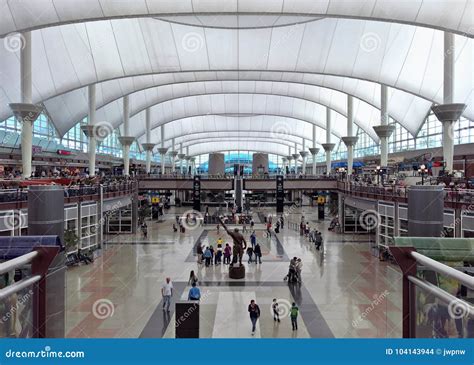
Denver International Airport covers an astonishing 137.8 square kilometers, making it the largest airport in the United States and the second-largest worldwide.
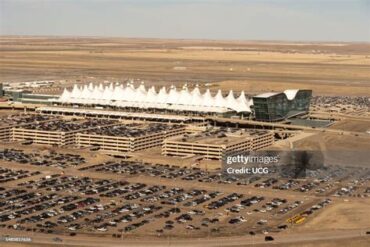
The airport’s sheer scale becomes obvious from the air. Runways stretch across the Colorado plains with enormous spacing between them, enabling simultaneous operations even during difficult weather conditions. Denver’s high altitude also requires longer runways because thinner air reduces aircraft performance during takeoff.
Opened in 1995, Denver International replaced the older Stapleton Airport and quickly became one of America’s most important domestic connecting hubs. Airlines including United, Southwest, and Frontier maintain major operations there.
The airport’s iconic white roof structure resembles snow-covered Rocky Mountains, giving DEN one of the most recognizable architectural identities in aviation. But beneath the striking design lies a deeply practical infrastructure philosophy focused on expansion and operational resilience.
Large undeveloped land reserves surrounding the airport provide room for future terminals, cargo districts, maintenance facilities, and even commercial development projects. Denver effectively built an airport designed not just for the present century, but for the next phase of American aviation growth.
King Fahd International Airport — The Largest Airport on Earth
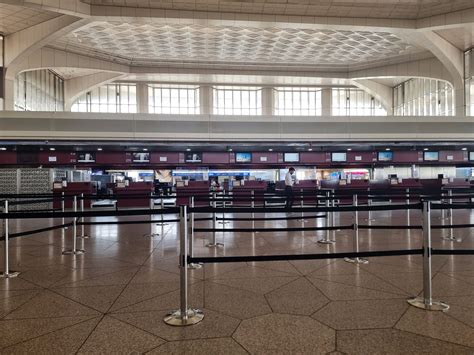
King Fahd International Airport in Dammam, Saudi Arabia, dwarfs every other airport on this list. Covering approximately 776 square kilometers, it is by far the largest airport in the world by land area.
To understand the scale, the airport occupies more land than some entire countries and major cities. Vast sections remain undeveloped, reserved for future expansion and strategic planning. The airport was conceived not merely as a transportation facility, but as a long-term aviation and economic zone with almost limitless development potential.
Located in Saudi Arabia’s oil-rich Eastern Province, the airport serves Dammam and nearby industrial centers while supporting regional connectivity across the Gulf. Passenger traffic remains relatively modest compared with airports such as Heathrow or Atlanta, yet the airport’s oversized footprint reflects extraordinary long-term planning ambitions.
The airport already includes passenger terminals, royal facilities, cargo infrastructure, maintenance zones, and extensive support services. However, much of the property remains untouched desert, creating opportunities for future runways, aviation industries, logistics hubs, and potentially even airport-linked urban development.
King Fahd International Airport represents a fascinating contradiction in global aviation: the largest airport on Earth is not the busiest, most crowded, or most famous. Instead, it stands as a monument to scale, possibility, and strategic vision.
Its vast emptiness may actually be its greatest strength.