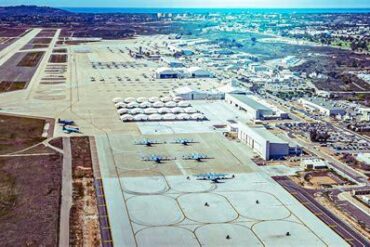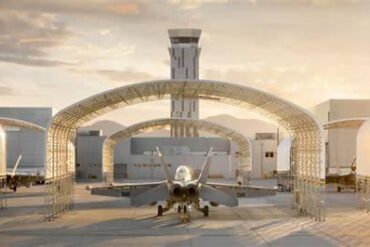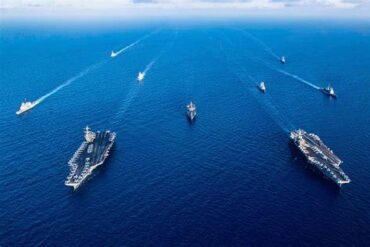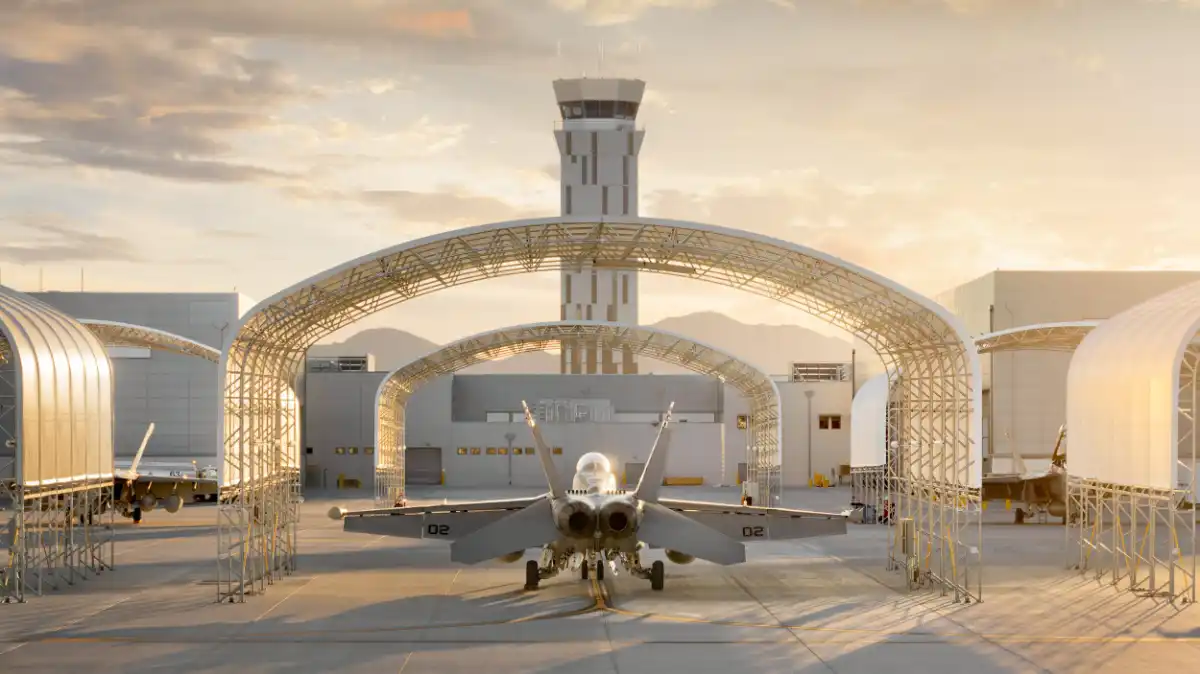
The aviation arm of the United States Navy represents one of the most geographically distributed and technologically advanced military air networks in the world. While carrier strike groups often dominate public attention, the shore-based infrastructure that supports them is just as critical. Across the United States, vast naval air stations span deserts, coastlines, and remote training corridors, forming an invisible backbone for fleet readiness, weapons development, and pilot training.
These installations are not simply airports with runways. They are self-contained ecosystems where combat doctrines are tested, aircraft are pushed to their limits, and entire carrier air wings are prepared for deployment. Some stretch across hundreds of thousands of acres, combining operational airfields with restricted airspace, weapons ranges, and research complexes. Their size reflects a simple truth: modern naval aviation requires enormous physical space to safely simulate modern warfare.
Understanding these bases means understanding how the Navy prepares for conflict at scale. From electronic warfare training in the Pacific Northwest to weapons testing in the Mojave Desert, each installation plays a distinct role in sustaining global maritime power. Together, they form a layered network that ensures carrier aviation remains the Navy’s most flexible and far-reaching combat capability.
The following ranking explores the six largest US naval air stations by land area, highlighting not only their physical scale but also their strategic purpose in shaping the future of naval air power.
NAWS China Lake – The Largest Naval Aviation Installation on Earth
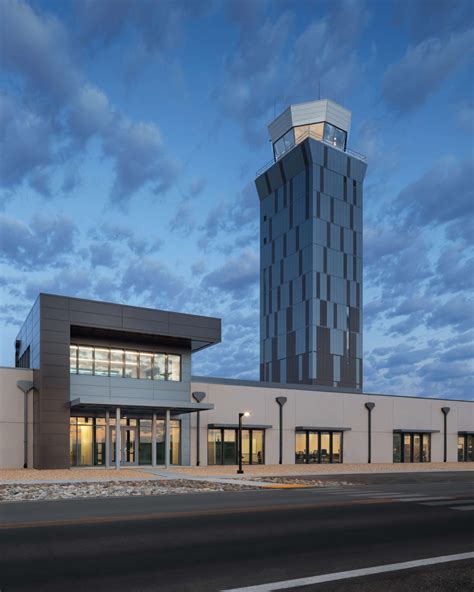
At the top of the list stands Naval Air Weapons Station China Lake, a sprawling complex that exceeds 1.1 million acres in California’s Mojave Desert. Its scale is almost difficult to conceptualize, stretching across terrain larger than entire US states. Unlike traditional air stations focused on fleet operations, China Lake is fundamentally a weapons development and testing empire, serving as the Navy’s primary hub for aviation research and advanced munitions engineering.
Within its boundaries, engineers and test pilots evaluate everything from next-generation air-to-air missiles to precision-guided bombs and autonomous systems. The installation supports the Naval Air Warfare Center Weapons Division, where experimental technologies transition from prototype to fleet-ready systems. Many of the weapons carried by carrier-based aircraft today were first refined in this vast desert laboratory.
The significance of China Lake extends beyond physical size. It includes nearly 20,000 square miles of restricted airspace, allowing uninterrupted testing of high-speed missile systems and complex multi-platform operations. The environment is deliberately isolated, enabling live-fire experimentation that would be impossible near populated regions. This isolation transforms the base into a controlled battlefield for innovation, where every test contributes directly to naval combat readiness.
China Lake is also deeply embedded in the history of American military aviation. Established during World War II, it has continuously evolved alongside technological change. Today, it remains the cornerstone of naval aviation research, shaping the future of weapons integration, sensor development, and unmanned systems.
NAS Fallon – The Navy’s Premier Air Combat Training Ground
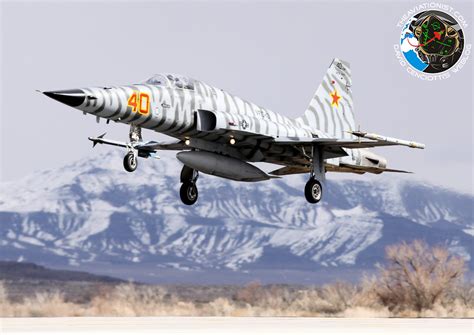
Naval Air Station Fallon ranks second, encompassing more than 240,000 acres of Nevada desert alongside the adjacent Fallon Range Training Complex. This installation is synonymous with advanced air combat training and is globally recognized as the home of the Navy’s elite tactical development programs.
Fallon is best known as the operating base of the Naval Aviation Warfighting Development Center, which includes the legendary TOPGUN program. However, its role extends far beyond fighter pilot mythology. Entire carrier air wings train here together, integrating fighters, electronic warfare aircraft, helicopters, and early warning platforms into full-spectrum mission rehearsals.
The vast desert environment provides unmatched freedom for large-force exercises, allowing pilots to simulate real combat scenarios without the constraints of congested airspace. With more than 300 flyable days per year, the base offers consistent training opportunities that closely mirror operational deployment conditions.
What makes Fallon especially critical is its ability to replicate modern threat environments. Aggressor squadrons simulate enemy tactics, while electronic warfare units jam and disrupt communications in real time. This creates a dynamic battlefield where pilots must adapt instantly to evolving conditions, sharpening decision-making under pressure.
Fallon’s scale and realism make it indispensable. It is where theory becomes practice, and where carrier strike groups transform from individual squadrons into fully synchronized combat systems.
NAS Whidbey Island – Center of Naval Electronic Warfare
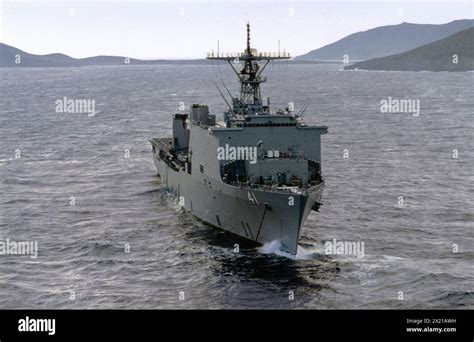
In the Pacific Northwest, Naval Air Station Whidbey Island spans roughly 55,000 acres when its associated training ranges are included. It is the undisputed home of the Navy’s electronic warfare community and the operational hub for the EA-18G Growler fleet.
Whidbey Island’s strategic importance has grown significantly in the modern battlespace, where electromagnetic dominance is as crucial as air superiority. The EA-18G Growler specializes in jamming enemy radar, disrupting communications, and suppressing integrated air defense systems. Nearly every operational Growler squadron in the Navy is based here, making it a uniquely concentrated center of expertise.
The base supports extensive training ranges across the Pacific Northwest, where crews practice real-time electronic attack missions in complex signal environments. These exercises simulate contested airspace where adversaries attempt to deny access through layered defense networks.
What distinguishes Whidbey Island is its fusion of geography and mission. Surrounded by water and remote airspace corridors, it provides ideal conditions for long-range training missions. The environment supports continuous evolution in electromagnetic warfare tactics, ensuring the Navy maintains superiority in an increasingly digital battlespace.
As modern conflict shifts toward information and signal dominance, Whidbey Island’s role becomes even more central to naval strategy.
NAS Lemoore – West Coast Master Jet Powerhouse
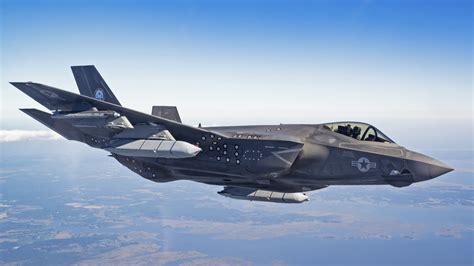
Located in California’s Central Valley, Naval Air Station Lemoore spans approximately 29,800 acres and serves as the primary West Coast base for carrier-based strike fighter operations. It is the backbone of Pacific Fleet airpower and a critical launch point for deployments across the Indo-Pacific region.
Lemoore was designed specifically for jet-powered carrier aviation, with long runways, expansive hangar facilities, and highly specialized maintenance infrastructure. Its layout reflects decades of refinement in supporting high-tempo carrier operations. The base routinely hosts squadrons flying both the F/A-18E/F Super Hornet and the F-35C Lightning II.
One of Lemoore’s greatest strengths is its geographic isolation. Situated far from dense urban development, it benefits from unrestricted training airspace, allowing pilots to conduct complex mission rehearsals without significant limitations. This makes it ideal for preparing squadrons for carrier deployment cycles.
The installation is also a key training hub, where new naval aviators transition from basic flight proficiency to advanced carrier strike tactics. Maintenance crews, logistics teams, and operational planners all work in synchronization to sustain a high operational tempo.
Lemoore’s influence extends far beyond California. Carrier air wings deploying across the Pacific routinely rely on squadrons based here, making it one of the most important operational nodes in the Navy’s global aviation network.
NAS Patuxent River – The Brain of Naval Aviation Innovation
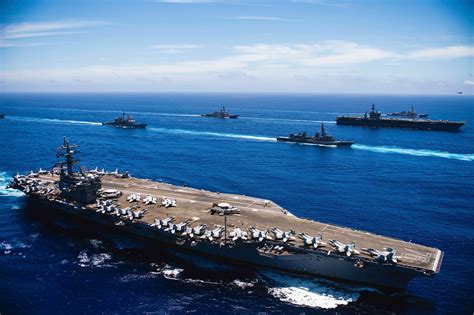
Naval Air Station Patuxent River, often called “Pax River,” occupies more than 14,500 acres along Maryland’s Chesapeake Bay. Unlike operational fleet bases, Patuxent River serves as the Navy’s central hub for research, development, testing, and evaluation of new aviation systems.
This is where the future of naval aviation is defined. Nearly every modern aircraft entering fleet service has passed through Pax River for rigorous testing. The installation supports Naval Air Systems Command, overseeing programs that include the F-35 Lightning II, MQ-25 Stingray, P-8A Poseidon, and CMV-22B Osprey.
What makes Pax River unique is its combination of technical expertise and expansive restricted airspace. Engineers and test pilots operate within controlled corridors that allow for precise evaluation of aircraft performance, avionics, and weapons systems. This ensures that platforms are fully validated before entering operational service.
The base is also a key center for experimentation with unmanned systems and next-generation sensors. As naval warfare becomes increasingly data-driven, Patuxent River functions as the Navy’s innovation laboratory, bridging the gap between engineering design and battlefield deployment.
Its proximity to Washington, D.C. also ensures strong integration with defense leadership, making it a critical node in shaping aviation policy and procurement.
NAS Oceana – East Coast Master Jet Base
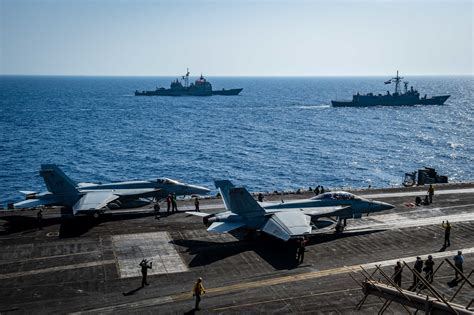
Naval Air Station Oceana covers more than 10,000 acres in Virginia Beach and serves as the primary East Coast hub for carrier-based strike fighter squadrons. As the Atlantic Fleet’s master jet base, it plays a central role in maintaining readiness for deployments across the Atlantic and Mediterranean theaters.
Oceana hosts multiple F/A-18E/F Super Hornet squadrons that regularly cycle through training and deployment schedules. These units form the backbone of carrier air wings assigned to Atlantic-based aircraft carriers. The base is designed to support the intense operational tempo required by modern naval aviation.
Its infrastructure includes advanced maintenance facilities, simulation centers, and training airspace optimized for high-performance jet operations. Pilots stationed at Oceana frequently conduct pre-deployment training sorties that simulate carrier launch and recovery cycles under demanding conditions.
The installation also benefits from its strategic location near major naval headquarters, enabling tight coordination between operational units and fleet command structures. This proximity enhances responsiveness and ensures rapid deployment capability when required.
Despite being the smallest on this list in land area, Oceana remains one of the most operationally significant naval air stations due to its role in sustaining carrier strike readiness on the East Coast.
Conclusion – The Vast Infrastructure Behind Naval Air Power
The scale of these six installations reveals the immense infrastructure required to sustain modern naval aviation. From the desert expanse of China Lake to the coastal complexity of Oceana, each base contributes a specialized function within a larger system designed for global power projection.
Together, they support everything from experimental weapons development and electronic warfare training to full carrier air wing deployment cycles. Their combined footprint reflects the operational reality of the United States Navy: maintaining air dominance at sea requires vast land-based ecosystems that mirror the complexity of modern warfare.
As technology evolves toward unmanned systems, networked combat, and multi-domain operations, these installations will continue expanding their role. They are not just airfields—they are the laboratories, classrooms, and proving grounds of naval aviation’s future.