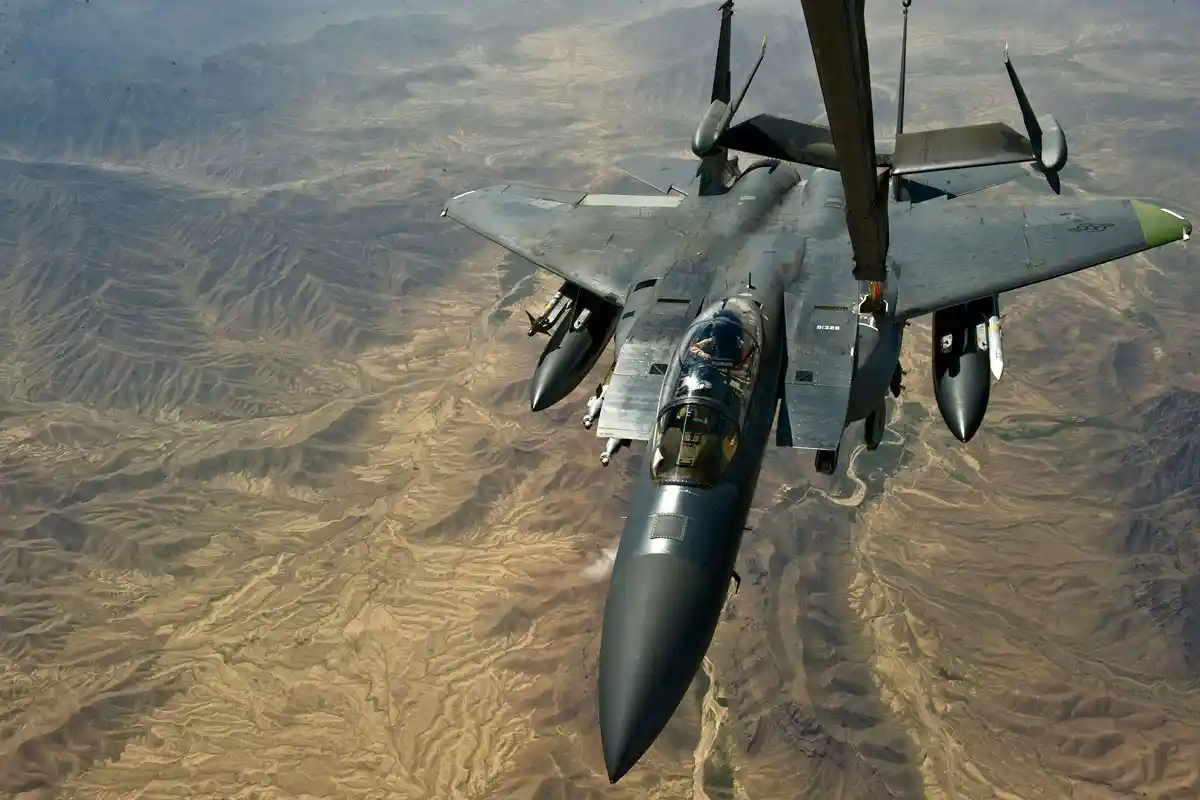
The F-15 Eagle, a formidable air superiority fighter, has been an integral part of the United States Air Force (USAF) since its introduction in 1976. As one of the most advanced tactical aircraft, piloting the F-15 is not just a prestigious position but also a demanding role that requires skill, dedication, and extensive training. Naturally, the compensation for F-15 pilots reflects the importance and challenges of their job. In this article, we will provide a detailed breakdown of the F-15 pilot salary, including base pay, allowances, bonuses, and long-term benefits that contribute to their overall compensation.
Salary Overview for F-15 Pilots
The salary of an F-15 pilot in the US Air Force is influenced by a variety of factors, such as rank, years of service, location, and additional allowances. On average, an F-15 pilot earns approximately $120,000 annually. However, this can vary significantly, with salaries ranging between $114,000 and $130,000 based on different circumstances.
Base Pay for F-15 Pilots
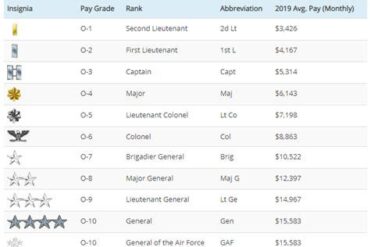
Base pay forms the foundation of an F-15 pilot’s salary and is determined by rank and years of service. In the US Air Force, pilots are commissioned officers, starting as second lieutenants (O-1) and advancing through ranks such as captain (O-3) and major (O-4). Their pay increases with experience and responsibility.
Base Pay Breakdown by Rank
- Second Lieutenant (O-1): The starting salary for a second lieutenant with less than 2 years of service is approximately $3,998.40 per month, or about $48,000 annually.
- Captain (O-3): A captain with 8 years of service typically earns $7,827.90 per month, or around $94,000 annually.
- Major (O-4): A major with 10 years of service can expect to earn $9,075.00 per month, which totals approximately $109,000 annually.
It’s important to note that these are base pay figures, not including allowances or bonuses. For many pilots, their total compensation is considerably higher once these additional components are included.
Allowances and Benefits
Beyond base pay, F-15 pilots are eligible for a variety of allowances that increase their total compensation. These include the Basic Allowance for Housing (BAH), the Basic Allowance for Subsistence (BAS), and potential bonuses for service extension or hazardous duty. These allowances vary based on location, rank, and family status.
Basic Allowance for Housing (BAH)
The Basic Allowance for Housing (BAH) is designed to help offset the cost of living, especially in areas with high housing costs. The amount of BAH depends on the pilot’s rank, whether they have dependents, and their duty station. For example:
- At Seymour Johnson Air Force Base (AFB) in North Carolina, a captain with dependents might receive approximately $1,350 per month in BAH.
- A major with dependents could receive around $1,500 per month at the same base.
The rates for BAH vary by location, with higher allowances in areas where housing costs are elevated. For example, pilots stationed at bases in high-cost areas like Eglin AFB in Florida or Elmendorf AFB in Alaska might receive significantly higher BAH amounts.
Basic Allowance for Subsistence (BAS)
The Basic Allowance for Subsistence (BAS) is a fixed monthly payment intended to cover food expenses. For all officers in the US Air Force, including F-15 pilots, the BAS in 2025 is $320.78 per month. This amount is the same regardless of rank and is meant to ensure that pilots receive a reasonable stipend for their food needs.
Retention Bonuses and Additional Pay
In an effort to retain experienced pilots, the US Air Force offers significant retention bonuses. For F-15 pilots, these bonuses can be quite substantial. Pilots can receive up to $48,000 per year as a retention bonus, which can add up to $432,000 over a nine-year period.
Additionally, pilots who are deployed to combat zones or are assigned to special missions may be eligible for hazardous duty pay, which can range from $1,000 to $1,500 per month depending on the nature of the assignment.
Calculating Total Compensation
To understand the full scope of compensation, let’s take a look at the total annual salary for a typical F-15 pilot, factoring in base pay, BAH, BAS, and bonuses.
Example 1: Captain (O-3) with 8 Years of Service at Seymour Johnson AFB, NC
- Base Pay: $7,827.90 per month x 12 months = $94,000 annually
- BAH: $1,350 per month x 12 months = $16,200 annually
- BAS: $320.78 per month x 12 months = $3,850 annually
Total Annual Compensation = $94,000 (base pay) + $16,200 (BAH) + $3,850 (BAS) = $113,050 annually
Example 2: Major (O-4) with 10 Years of Service at Seymour Johnson AFB, NC
- Base Pay: $9,075.00 per month x 12 months = $109,000 annually
- BAH: $1,500 per month x 12 months = $18,000 annually
- BAS: $320.78 per month x 12 months = $3,850 annually
Total Annual Compensation = $109,000 (base pay) + $18,000 (BAH) + $3,850 (BAS) = $130,850 annually
As shown, the total compensation for F-15 pilots is much higher than base pay alone, and the allowances and bonuses significantly impact overall earnings.
Impact of Location on Compensation
As mentioned earlier, location plays a crucial role in determining the amount of Basic Allowance for Housing (BAH) that an F-15 pilot receives. Pilots stationed at bases in higher-cost areas will receive a larger BAH to help offset housing expenses. This is particularly relevant for pilots stationed at bases near large metropolitan areas or in places with a high cost of living.
For example:
- A pilot stationed at Seymour Johnson AFB, NC, may receive a BAH of around $1,350 per month if they have dependents.
- A pilot at Eglin AFB, FL, may see a higher BAH due to the increased cost of housing in Florida, potentially receiving $1,500 per month or more.
- A pilot stationed at Elmendorf AFB, AK, could receive even more due to the high housing costs in Alaska.
Bonuses and Long-Term Financial Incentives
In addition to base pay, allowances, and BAS, F-15 pilots are eligible for a variety of bonuses and financial incentives aimed at retaining experienced personnel and encouraging long-term service. These incentives can add a significant amount to their total annual salary.
Retention Bonuses
The US Air Force has implemented retention bonuses to combat the pilot shortage, particularly for experienced F-15 pilots. The bonuses can be substantial, with pilots potentially earning up to $48,000 per year for extending their service. Over the course of a nine-year commitment, this could amount to an additional $432,000 in total compensation.
Hazardous Duty Pay
F-15 pilots who are deployed to combat zones or are assigned to high-risk missions may also qualify for hazardous duty pay, which can range from $1,000 to $1,500 per month depending on the nature of their assignment.
Retirement and Long-Term Benefits
The US Air Force offers comprehensive benefits that extend beyond salary and allowances, including:
- Healthcare: Pilots and their families receive excellent medical, dental, and vision care.
- Paid Vacation: Pilots are entitled to 30 days of paid vacation per year, which can be used for rest and recreation.
- Tuition Assistance: The Air Force offers education benefits, including tuition assistance for pilots who wish to pursue further education.
Pilots who serve for 20 years or more are eligible for military retirement benefits, which include a pension and other post-service benefits, making long-term service financially appealing.
Conclusion
In conclusion, the salary for an F-15 pilot in the US Air Force is highly competitive, with total compensation averaging around $120,000 annually. This includes base pay, allowances for housing and subsistence, and potential bonuses for retention and hazardous duty. The pay can vary significantly depending on rank, years of service, location, and additional pay for specialized duties.
F-15 pilots enjoy a comprehensive benefits package, including healthcare, paid vacation, and the potential for substantial retirement benefits. The combination of salary, allowances, and long-term incentives makes flying the F-15 a financially rewarding career choice for those dedicated to serving in the Air Force.
By understanding the F-15 pilot salary structure, both prospective and current pilots can better assess the financial benefits and rewards associated with this prestigious role in the US Air Force.