The World Meteorological Organization (WMO) is a key agency of the United Nations. It focuses on global cooperation regarding the Earth’s atmosphere, its interactions with land and oceans, and the weather and climate patterns that arise. These elements influence every corner of the planet, transcending national borders. To effectively predict future weather and climate changes, as well as manage water resources wisely, international collaboration is essential. The journey began in 1873 with the founding of the International Meteorological Organization (IMO). Its goal was to enable the exchange of crucial weather and hydrological data across nations for everyone’s benefit. In 1950, the WMO was established, taking over from the IMO and becoming a specialized UN agency a year later.
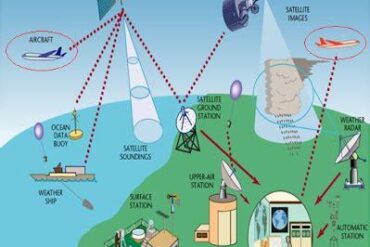
WMO’s vision is to provide leadership and expertise in international cooperation. It aims to deliver high-quality weather, climate, hydrological, and environmental services to improve societal well-being worldwide. Through its various commissions, programs, projects, and regional offices, WMO supports its members in maintaining and expanding their observational networks. This includes promoting the free exchange of data and information. Additionally, it focuses on capacity development and research to enhance the production of weather, climate, and water-related services globally.