Understanding IFR Flight: What is IMC?
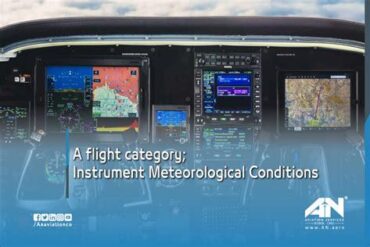
Instrument Flight Rules (IFR) represent a cornerstone of modern aviation safety and capability. These rules enable pilots to operate aircraft using instruments alone, without visual references to the ground or horizon. When flying in Instrument Meteorological Conditions (IMC)—such as cloud cover, fog, heavy rain, or darkness—visual navigation becomes unreliable or outright impossible. In these scenarios, IFR is not merely an option; it becomes a necessity.
IMC typically describes weather conditions that fall below the minimums required for Visual Flight Rules (VFR). These conditions often involve visibility less than three statute miles and cloud ceilings lower than 1,000 feet above ground level. When such conditions prevail, IFR-trained pilots navigate using cockpit instruments and maintain constant communication with Air Traffic Control (ATC) to ensure safe separation from terrain, obstacles, and other aircraft.

How IFR Enables Safe Flight in IMC
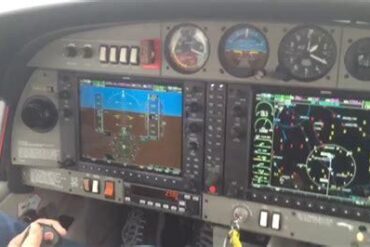
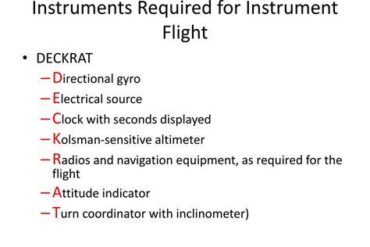
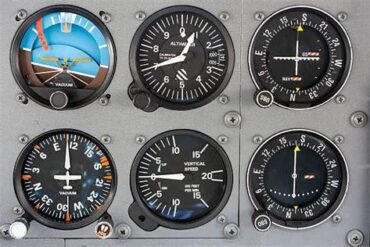
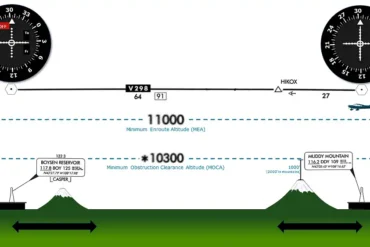
Flying through clouds at high speed without any outside visual references may sound perilous, but under IFR, it is a routine and regulated process. The cockpit instruments provide all the necessary information about aircraft attitude, altitude, airspeed, heading, and position. Pilots rely on systems such as:
-
Attitude Indicators
-
Heading Indicators (HSI or DG)
-
Vertical Speed Indicators (VSI)
-
Altimeters
-
GPS Navigation Systems
-
Autopilot systems with instrument approach capabilities
With these tools, pilots can fly precisely along ATC-assigned airways, descend through thick cloud layers, and even land at airports without visual contact with the runway, using precision approach systems like ILS (Instrument Landing System) or GPS-based approaches with LPV minimums.
IMC: The Challenge and the Thrill
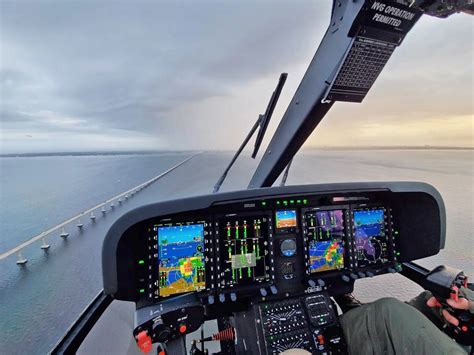
Flying in IMC conditions adds complexity and intensity to flight operations. There is no visual horizon, and spatial disorientation becomes a real threat for untrained pilots. However, for those with an instrument rating, the challenge is met with proficiency and confidence. Every instrument-rated pilot undergoes extensive training in aircraft control, instrument scanning, navigation, and emergency procedures under simulated IMC.
This level of training prepares pilots to:
-
Navigate through complex weather systems
-
Fly safe instrument approaches in zero visibility
-
Handle emergencies such as instrument failure
Moreover, many seasoned aviators describe IFR flight in IMC as one of the most exhilarating and intellectually rewarding experiences in aviation. The aircraft slices through dense clouds, fully under control, with every movement guided by precision instruments and procedural knowledge.
Who Can Fly IFR? Legal and Licensing Requirements
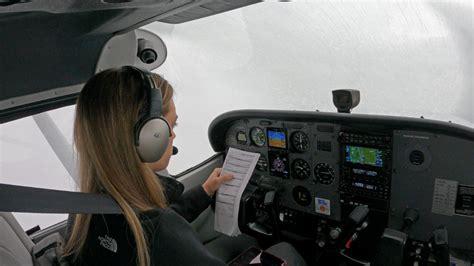
Not all pilots are permitted to operate under IFR. In the United States and most ICAO member states, a Private Pilot License (PPL) includes basic instrument training but does not authorize flight into IMC. To legally operate in IMC, a pilot must earn an Instrument Rating (IR), which is an add-on to the PPL or Commercial Pilot License (CPL).
To obtain this rating, a pilot must:
-
Accumulate a minimum of 40 hours of instrument flight time, including simulator hours
-
Complete 15 hours of instruction with an IFR-certified flight instructor
-
Pass the FAA Instrument Knowledge Test
-
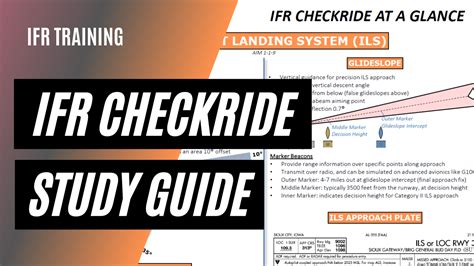
Demonstrate proficiency during an Instrument Practical Test (checkride)
Airline Operations and IMC: A Daily Routine
While general aviation pilots may avoid flying in poor weather, airline pilots and commercial operators fly through IMC as a standard part of daily operations. Modern airliners are equipped with advanced avionics systems, including weather radar, auto-throttles, flight management computers, and category III certified autopilots that can execute fully automated landings (autoland).
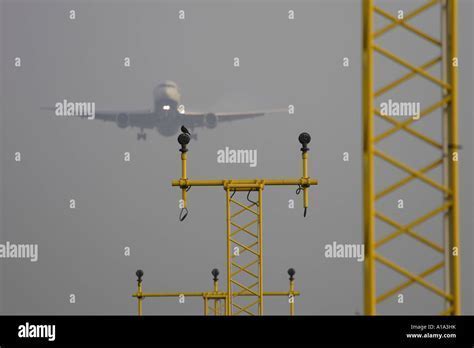
Autoland capabilities are essential for maintaining schedules and safety during low-visibility operations. Airports equipped with CAT III ILS systems, such as London Heathrow, Frankfurt, or JFK, allow airliners to land with runway visual range (RVR) as low as 75 meters. Such operations require:
-
Special aircraft certification
-
Pilot training and recurrent checks
-
Airport ground system compatibility
Risks of Flying VFR into IMC
One of the leading causes of weather-related aviation accidents is VFR into IMC—when a VFR-only pilot inadvertently enters instrument conditions. This scenario is especially hazardous due to the risk of spatial disorientation and loss of situational awareness, which can result in controlled flight into terrain (CFIT).
Statistically, such encounters have a high fatality rate. This underlines the importance of obtaining an instrument rating, not just for flying in clouds, but also for developing robust decision-making and risk assessment skills.
Some aircraft insurance providers recognize the increased safety associated with instrument-rated pilots, offering reduced premiums as an incentive.
IFR Training: The Path to Proficiency
Earning an instrument rating is a significant undertaking, but it transforms a pilot’s confidence and capabilities. The training syllabus includes:
-
Basic attitude instrument flying
-
Holding patterns and instrument procedures
-
Precision and non-precision approaches
-
Enroute IFR navigation
-
Emergency procedures in IMC
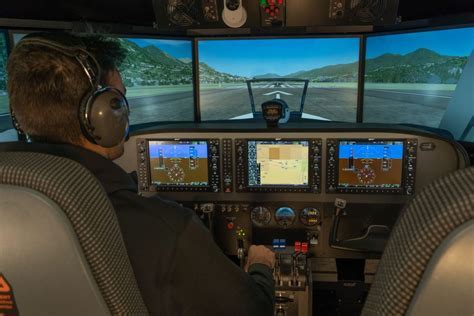
Training is conducted both in the aircraft and FAA-approved simulators, where instructors can simulate engine failures, radio outages, and system malfunctions in a controlled environment.
The Strategic Advantage of IFR Flight
From a strategic perspective, IFR flight offers unmatched operational flexibility. Pilots can fly:
-
At night, in low visibility, or in marginal weather
-
In controlled airspace with full ATC support
-
Over unfamiliar terrain without relying on visual cues
For business aviation, emergency services, and remote region access (such as Alaska, Northern Canada, or Patagonia), IFR flight capabilities are essential. Without IFR, large portions of the world would be unreachable for extended periods due to weather constraints.

Conclusion: Why IFR and IMC Matter More Than Ever
As airspace becomes more congested and weather patterns increasingly unpredictable, the ability to fly safely and legally in IMC under IFR is not just a skill—it’s a vital part of aviation infrastructure. Pilots who train and certify for IFR operations gain far more than legal privileges; they acquire the tools to make better decisions, fly safer missions, and expand their aviation horizons.
In a sky where visibility is often limited and safety is paramount, IFR-trained pilots stand out as professionals equipped to handle complexity with calm, precision, and authority.
Frequently Asked Questions
What is the main difference between IFR and IMC?
IFR refers to a set of rules and procedures that pilots follow when navigating by instruments. IMC, on the other hand, describes the actual weather conditions—such as clouds, fog, or heavy rain—that make it necessary to fly under IFR. Pilots use IFR to operate safely in IMC.
Can a private pilot fly in IMC conditions?
No, a private pilot without an instrument rating cannot legally fly in IMC conditions. They must obtain additional training and certification to do so. Flying into IMC without proper certification is illegal and highly dangerous.
Are airlines required to fly IFR?
Yes. All commercial airline operations are conducted under IFR, regardless of weather. This ensures continuous ATC oversight, predictable flight paths, and the highest standards of navigational precision and safety.