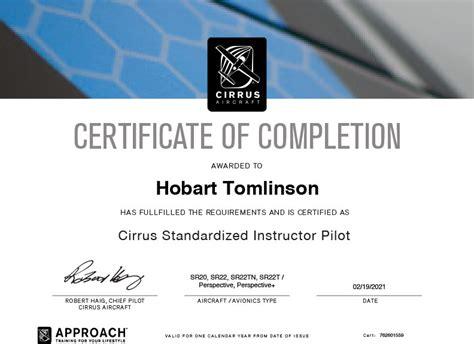
To become a Cirrus Standardized Instructor Pilot (CSIP) is to ascend to one of the most respected roles in the world of general aviation instruction. Cirrus Aircraft, known for its pioneering safety features and luxurious performance, demands an elite standard from those who teach in its cockpits. Becoming a CSIP is not a casual endeavor—it requires dedicated flight experience, technical mastery, and a deep understanding of Cirrus systems and philosophy.
Understanding the CSIP Role
The Cirrus Standardized Instructor Pilot is more than a flight instructor. A CSIP embodies the Cirrus brand’s commitment to proficiency, safety, and innovation. These instructors are trained to deliver Cirrus-specific transition training, recurrent training, and avionics integration instruction. CSIPs operate under a unique partnership with Cirrus, offering standardized teaching to clients around the world.
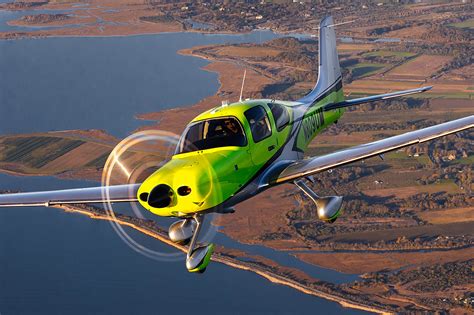
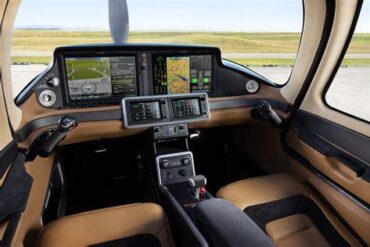
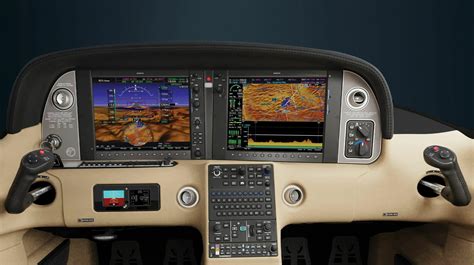
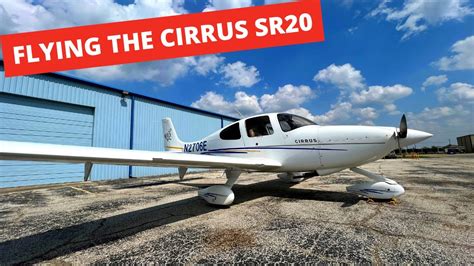
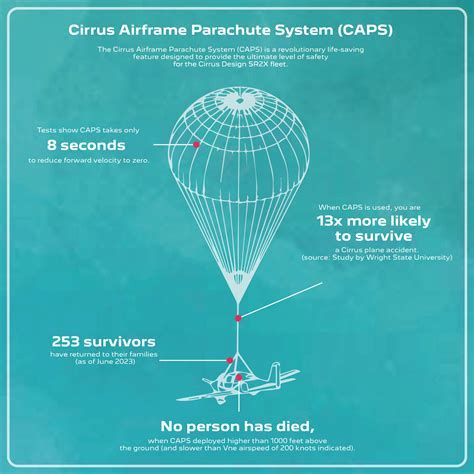
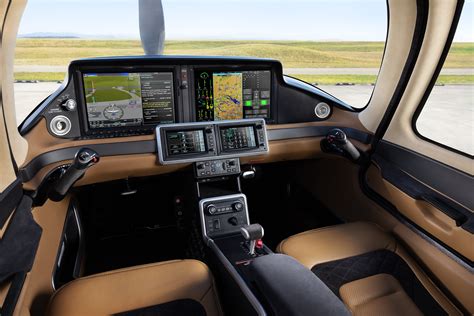
To hold this title means a pilot is entrusted with instructing in technologically sophisticated platforms such as the SR20, SR22, and SR22T, often equipped with Garmin Perspective+ avionics and the iconic Cirrus Airframe Parachute System (CAPS).
Minimum Requirements for CSIP Eligibility
Cirrus Aircraft maintains stringent baseline qualifications for CSIP applicants. Before applying, a pilot must meet the following:
- Hold a current CFII (Certified Flight Instructor – Instrument)
- Actively provide flight instruction
- Accumulate at least 500 total flight hours
- Log a minimum of 250 hours of dual instruction given
- Possess at least 50 hours of dual given in Garmin avionics-equipped aircraft
- Complete Cirrus Advanced Transition Training (highly recommended, if not mandatory)
This isn’t a program for recent CFIs looking to pad their résumés. The experience thresholds reflect Cirrus’s belief that instructors should be fully competent and confident in high-performance aircraft and glass cockpit environments.
CSIP Training Program Overview
Once the minimum requirements are met, the applicant can be considered for the five-day CSIP training course. The training, administered by Cirrus or one of its partner training centers, is designed to immerse the candidate in Cirrus-specific instruction methodologies, aircraft systems, and the instructional tools available to standardized pilots.
Key Components of the CSIP Course:
- Duration: 5 consecutive days
- Flight Hours: Approximately 10–15 hours
- Ground Training: Extensive system and avionics review
- Instructional Techniques: Emphasis on scenario-based training, automation management, and CAPS integration
Tuition and costs for the CSIP program reflect the level of professionalism expected:
- Instructor Rate: $795 per day
- Aircraft Rental: $350–$450/hr (dry rate)
- CSIP Courseware: $300
- iFOM (Interactive Flight Operations Manual): $49
Total Investment and Financial Commitment
The average cost to complete the CSIP program ranges between $7,000–$9,000, depending on flight hours, local aircraft rental rates, and location-based variations. In markets such as Central Texas, for instance, SR22 rental rates hover around $425 dry. In more competitive or aviation-dense markets like Las Vegas, wet rates for SR22s can approach $450 per hour, reflecting both demand and operating costs.
Although the sticker price may appear high, one must weigh it against the prestige and instructional opportunities that follow certification. CSIPs often command premium hourly rates for Cirrus transition and recurrent training sessions, especially for high-net-worth individuals who value the Cirrus brand’s safety and performance features.
What Makes CSIP Status Different?
Being a CSIP isn’t just about knowledge—it’s about brand alignment and instructional philosophy. Cirrus holds its CSIPs to a rigorous code. After certification, instructors are expected to:
- Maintain active instructional status, regularly flying and teaching in Cirrus aircraft
- Adhere strictly to Cirrus standardized training modules
- Participate in annual recertification and training updates
Failure to comply can result in revocation of CSIP credentials. In fact, Cirrus has paused new applications and renewals at times, a testament to their commitment to maintaining elite standards.
Instructional Duties and Tools of a CSIP
Once certified, a CSIP gains access to exclusive training content and support. This includes:
- Access to the Cirrus Learning Portal with lesson plans, avionics simulations, and instructional videos
- Use of the Cirrus Flight Training App and CSIP Toolkit, optimized for iPad and electronic briefing
- Scenario-based instruction templates covering VFR/IFR flight regimes, emergency operations, and automation management
- CAPS-focused emergency preparedness training, emphasizing when and how to deploy the ballistic parachute system
Is Becoming a CSIP Worth It?
For professional instructors with Cirrus experience—or a serious desire to build a career in high-end general aviation instruction—the CSIP credential offers clear rewards:
- Elevated reputation in the flight training community
- Premium clientele, often consisting of aircraft owners and business executives
- Higher earning potential, with CSIPs regularly charging $100–$150+ per instructional hour
- Networking opportunities through Cirrus events, CSIP gatherings, and branded experiences
However, Cirrus makes it clear: this program is not a novelty certification. Those simply seeking bragging rights or a line on a résumé may find the cost and renewal obligations burdensome.
Market Realities: Cirrus Aircraft Availability and Demand
The rise of Cirrus Aircraft as a dominant force in GA means that demand for Cirrus-qualified instructors is consistently strong. However, one challenge for potential CSIPs is aircraft access. SR22s and SR20s, given their value and complexity, are not readily available for rent in many locations.
In regions where Cirrus training centers are scarce, access to aircraft alone can become a limiting factor. At dry rates of $350–$450 per hour, building time in Cirrus aircraft pre-application can be prohibitively expensive. Some instructors mitigate this by instructing Cirrus owners directly or finding shared aircraft ownership arrangements.
Navigating the Application Process
Aspiring CSIPs must begin by connecting with Cirrus Training Center (CTC) managers or submitting an inquiry directly through Cirrus’s official website. The application includes a comprehensive review of qualifications and instructional history.
In some periods, Cirrus pauses new CSIP certifications due to program demand, renewal backlogs, or internal program refinement. Applicants should be prepared to demonstrate not just flight time, but instructional excellence, Cirrus systems proficiency, and an active client base to qualify.
Maintaining CSIP Certification
Unlike one-time certificates, the CSIP title comes with ongoing obligations. To maintain certification, instructors must:
- Complete annual CSIP revalidation training
- Maintain active status in Cirrus instruction
- Log continued proficiency and training delivery in Cirrus platforms
- Stay current with software and system updates on Garmin and Perspective+
Instructors who lapse in activity or fail to meet revalidation milestones may lose their CSIP designation and must reapply.
Conclusion: Elevating Flight Instruction Through CSIP Standards
Becoming a Cirrus Standardized Instructor Pilot is more than a certification—it’s a career commitment to instructional excellence, technological fluency, and aviation safety. For those who meet the criteria and thrive in Cirrus’s culture of innovation, the CSIP badge opens doors to a premium instructional market and positions the pilot as a trusted mentor in the elite world of personal aviation.
The costs are real. The time investment is substantial. But for the instructor who seeks to rise above the crowd, CSIP is not just worth it—it’s the next logical step in a career of aviation distinction.