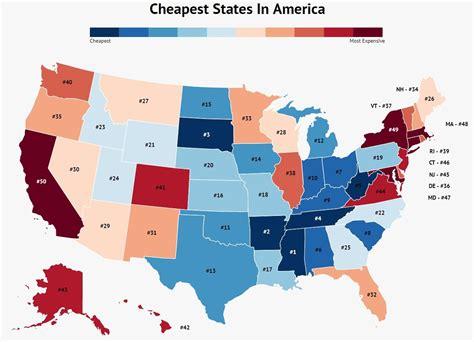
When aspiring pilots set their sights on achieving flight certifications, two critical factors emerge: flight training costs and living expenses. Understanding where in the United States one can balance both elements effectively is vital to a successful and financially sustainable aviation journey. Based on detailed experiences and real-world examples, we explore the most affordable states for flight training while maintaining reasonable living expenses.
Why Rural Flight Schools Offer Exceptional Value
In rural America, family-run flight schools with decades of operational history present a compelling choice for budget-conscious students. Schools operating in areas with low cost of living (COL) can offer unbeatable rates because they own their aircraft debt-free and maintain them meticulously. These operations typically pass on the savings directly to students.
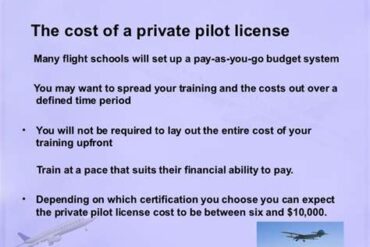
For example, five to six years ago in central Wisconsin, it was possible to rent a Cessna 172 for a mere $60 per hour wet. Another case in 2016 featured tailwheel training for $85 per hour wet, instructor included. Such pricing is increasingly rare but still accessible with diligent research using tools like Google Maps and local directories.
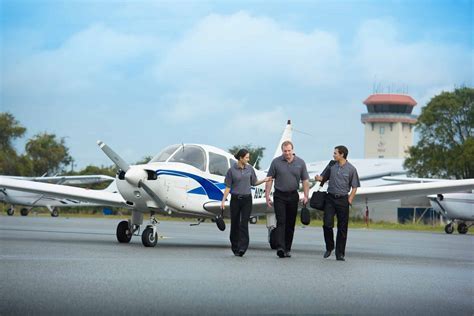
These small-town schools also often offer affordable room and board options, perfect for concentrated or accelerated training. The combination of low operational costs, efficient business models, and local economic conditions creates an environment where students can maximize their investment.
Weather, Airspace, and Their Hidden Costs
Choosing a flight school based solely on training fees can be shortsighted. Weather conditions and airspace congestion play pivotal roles in the total cost and timeline of your flight training.
For instance, training out of Houston’s Bravo airspace can inflate costs significantly. Pilots often “waste” 10–20% of their flight time commuting out of congested airspace, translating into an additional $50–100 per lesson. Moreover, busy airports increase time spent on the ground waiting for takeoff clearances, further driving up lesson costs.
Similarly, schools located in northern states face frequent weather cancellations due to rain and icing, especially from late fall to early spring. While the lesson prices might appear low, the opportunity cost of weather-induced delays — including prolonged rental housing — must be factored into the overall budget.
The Value of Training in High-Density Airspace
Though more expensive, training in busier environments like Southern California provides unique advantages. Learning amidst the dense LAX and surrounding Bravo airspaces equips pilots with superior radio communication skills and confidence in handling complex traffic environments. This upfront investment can reduce the need for additional training later, saving money and time in the long run.

Wichita: The Air Capital Advantage
Wichita, Kansas, known for its rich aviation industry, offers numerous advantages for flight students. With an abundance of flight schools and flying clubs, Wichita stands out for the availability of Designated Pilot Examiners (DPEs), reducing wait times and scheduling headaches for checkrides.
Weather-wise, Wichita faces its share of flight cancellations due to Midwestern storms, but far fewer compared to the northernmost states. The combination of plentiful resources, affordable living, and strong aviation infrastructure makes Wichita an attractive destination for aspiring pilots.
Florida: Weather Reliability Versus High Costs
Training in Florida presents a mixed picture. Although rental rates are generally higher compared to the Midwest, Florida boasts nearly year-round flying weather. Rain is typically brief and localized, and except for the annual hurricane season, most days are flyable. Students benefit from minimal weather-related training delays, though they must be prepared for higher tuition and living expenses.
Ohio: A Midwestern Gem for Flight Training
Ohio consistently emerges as one of the best states for affordable flight training. In middle-of-nowhere Ohio, as recently as 2020, students reported rates like $55 per hour wet for a Cessna 150, and room and board for $250 per month. Moreover, Ohio’s aviation-friendly policies, rooted in initiatives from former Governor Jim Rhodes, ensure nearly every county hosts at least one airport.

Ohio’s extensive airport network — ranging from grass strips to Class B airports — allows students to experience diverse operating environments within short distances. Although winter can limit flying from December through early March, the state offers affordable, high-quality flight training during the rest of the year.
Colorado’s Front Range and Mountain Experience
At the Rocky Mountain Flight School in Broomfield, Colorado, students find an appealing combination of training options and scenic experiences. Though the Denver-Boulder region has a higher cost of living, careful budgeting can keep expenses manageable. Furthermore, training in the mountainous terrain hones pilot skills and broadens their capabilities, providing value that extends beyond basic certification.
Oklahoma: Affordable Training and Board
Oklahoma also ranks highly for affordability. At Riverside Flight Center in Tulsa, students can access room and board options, all within a cozy, family-run environment adhering to Part 141 regulations. This combination of structured training, modest living costs, and Midwestern friendliness offers a solid path to obtaining flight certifications efficiently and affordably.
Other Midwestern Opportunities: Michigan and Indiana
Both Michigan and Indiana offer competitive flight training prices. However, students should be cautious and avoid schools that pressure them into large upfront payments. Proper due diligence, including visiting schools, reviewing aircraft conditions, and assessing maintenance practices, can prevent costly mistakes.
Alabama: Military-Supported Training Opportunities
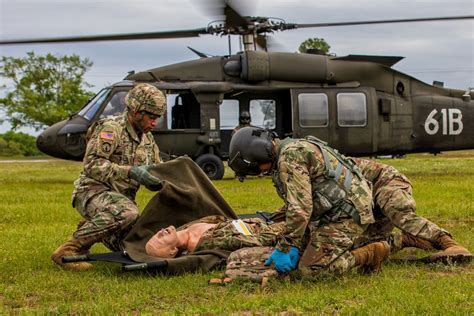
In Alabama, certain pilots have had the opportunity to undergo flight training funded by the U.S. Army, covering both tuition and room and board. While not available to civilians, those considering military pathways should investigate this as a potential route to aviation certification with minimal personal financial outlay.
Community Resources Enhance the Journey
Affordability isn’t limited to tuition and living expenses alone. Becoming part of the aviation community greatly enriches the flight training experience. Organizations like NEOPA (Northeast Ohio Pilots Association), AOPA (Aircraft Owners and Pilots Association), and EAA (Experimental Aircraft Association) offer networking opportunities, mentorship, and continuing education.
Annual events like OshKosh provide invaluable exposure to industry developments, connect students with potential employers, and offer deep discounts on aviation-related purchases.
Final Thoughts: Midwest States Dominate Affordability Rankings
In conclusion, for pilots seeking the most affordable pathway to the cockpit, Midwestern states like Ohio, Michigan, Indiana, Wisconsin, Oklahoma, and Tennessee repeatedly top the list. They offer a balance of low training costs, reasonable living expenses, abundant airports, and strong aviation communities. Weather remains the primary drawback, particularly in winter months, but with smart scheduling and flexible planning, students can still complete their training efficiently and economically.
Aspiring aviators must weigh not just the sticker price, but the full picture — including hidden costs, logistical realities, and long-term benefits — to make the best decision for their flight training journey.