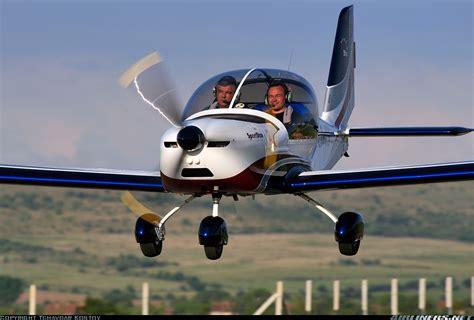
Flying a Light Sport Aircraft (LSA) in the United States has increasingly become a popular entry point into aviation for both new pilots and those returning after a break. With a promise of lower costs, simplified requirements, and sheer flying enjoyment, LSAs offer a compelling alternative to traditional General Aviation (GA) aircraft. Yet, beneath the appealing exterior lie critical considerations that every potential light sport pilot must understand before committing to this path.
Understanding Light Sport Aircraft: Legal Definition and Performance Limitations
A Light Sport Aircraft, as defined by the FAA, is a small, simple aircraft that fits within strict parameters:
- Maximum takeoff weight: 1,320 lbs (1,430 lbs for seaplanes)
- Maximum seats: 2 (pilot and one passenger)
- Maximum airspeed: 120 knots calibrated airspeed (KCAS)
- Fixed gear and fixed-pitch or ground-adjustable propeller
- Day VFR only (unless modified with further endorsements)
These limitations ensure a specific category of flying — low and slow, relatively straightforward, and affordable. However, those limits can also become constraints, particularly as a pilot gains experience and desires to do more. Weight, in particular, is a major concern: for example, two average-sized adults often push the LSA to the very edge of its operating envelope, reducing range and fuel options significantly.
Sport Pilot Certificate: The Pros and Cons of the Simplified Path
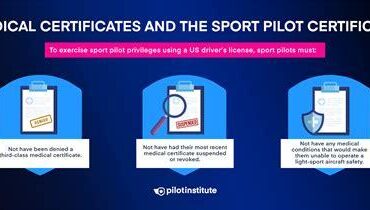
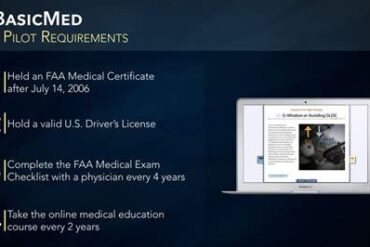
The Sport Pilot Certificate, created in 2004, allows aspiring aviators to fly LSAs without a traditional FAA medical certificate. Instead, a valid U.S. driver’s license is used to demonstrate medical fitness, provided the applicant has never been denied a medical.
Advantages:
- No FAA medical exam required
- Minimum of 20 hours of flight training required
- Lower cost compared to PPL (Private Pilot License)
- Quicker route to getting airborne
Yet in practice, few students complete training in the minimum 20 hours. Most require closer to 30–35 hours, very similar to the average for a private pilot. The difference in cost and time becomes negligible, especially when training quality and long-term goals are considered.
Training Quality and Safety: Are You Missing Anything with a Sport Pilot Certificate?
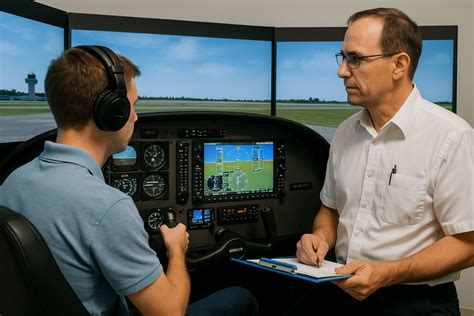
A persistent myth in aviation circles is that the Sport Pilot Certificate equates to a lower level of training. While the FAA Practical Test Standards (PTS) are adjusted to reflect the simpler aircraft and operational restrictions, the core flying skills — coordination, judgment, and emergency procedures — must still be learned to proficiency.
In fact, the absence of certain privileges, such as night flying or flying in controlled airspace, can result in less training in critical areas unless a student actively seeks them. This may leave gaps in a pilot’s skill set unless addressed through additional endorsements or by upgrading to a PPL.
Flight Limitations and Endorsements: What Sport Pilots Can and Cannot Do
A Sport Pilot’s privileges are more restricted than those of a Private Pilot. These are critical to understand when deciding whether LSA flying aligns with your long-term aviation goals.
Without additional endorsements, Sport Pilots may not:
- Fly at night (must be on the ground by the end of civil twilight)
- Fly above 10,000 feet MSL
- Fly in Class B, C, or D airspace
- Tow banners or gliders
- Operate in furtherance of a business
Most of these restrictions can be lifted with appropriate training and endorsements from a certified flight instructor (CFI). Still, the legal ceiling is clear: a Sport Pilot cannot fly complex aircraft, carry more than one passenger, or fly for compensation.
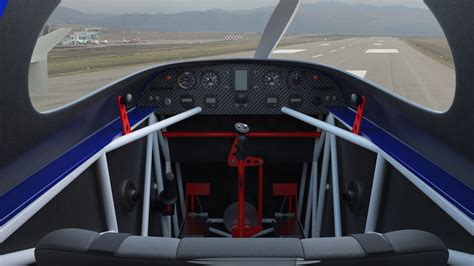
Aircraft Access: Availability of LSAs to Rent or Buy
One of the most significant challenges facing Sport Pilots is the availability of Light Sport Aircraft, especially for rental. Unlike 172s and Cherokees, LSAs are not widely available at most flight schools or FBOs. This scarcity often leads to one of two paths:
- Joining a flying club that owns LSAs (often rare and competitive)
- Buying an aircraft — a major commitment, but sometimes the only viable route
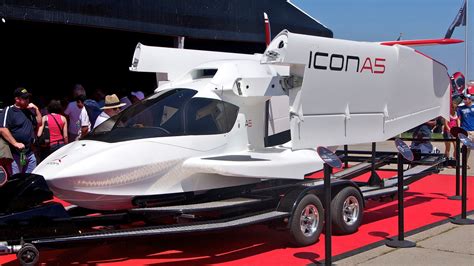
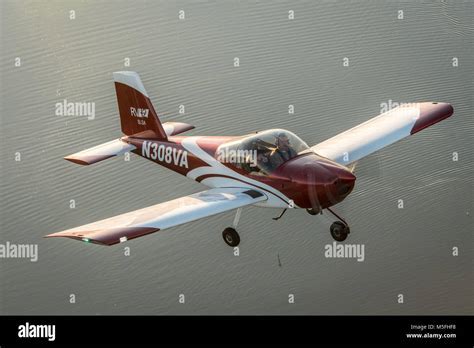
Factory-built LSAs like the RV-12, ICON A5, or Flight Design CTLS can cost between $100,000–$200,000, while experimental or used LSAs may be more affordable. However, factors such as payload capacity, useful load, and wing loading become essential, especially when considering real-world mission profiles.
Cost Considerations: Operating LSAs vs. GA Aircraft
Flying a Light Sport Aircraft is often more economical than traditional GA flying. This is particularly true in terms of fuel burn (4–6 gallons per hour), insurance, and maintenance.
For example, an RV-12 burns around 5 gallons/hour, cruising near 100 knots, offering excellent economy. Compared to a Cessna 172 burning 8–10 gallons/hour, the savings add up significantly over time.
However, lower operating cost must be balanced with limitations. An LSA might be cheaper to fly, but if it can’t take you where you want to go — or carry what you need — it’s a false economy. Payload constraints often force compromises that can lead pilots to outgrow LSAs quickly.
Upgrade Potential: Moving from Sport Pilot to Private Pilot
A common strategy is to start with the Sport Pilot Certificate and upgrade later. The hours flown under sport training count toward the PPL. Since much of the flight training overlaps, the upgrade primarily involves:
- Night flying hours
- Longer solo cross-country flights
- More advanced airspace and instrument procedures
This path is viable but must be planned. Training under a CFI familiar with both tracks is critical to ensure continuity. Moreover, if you anticipate flying beyond sport limitations, it may be more efficient to pursue the PPL from the outset — especially if you are already eligible for a third-class medical.

Performance, Weather, and Stability: What to Expect in Real Flying Conditions
While LSAs are agile and fun to fly, many pilots report that they are more sensitive to turbulence and less stable than heavier aircraft like the Cessna 172. This is especially true in windy conditions or during crosswind landings. The lighter wing loading and lower inertia demand quicker hands and refined stick-and-rudder skills.
In fact, some instructors argue that flying LSAs builds better fundamental airmanship because they are less forgiving and more responsive. Others find them less comfortable and harder to manage in marginal conditions. As such, choosing a calm weather day for your first few hours is not just smart — it’s essential.
Modifications, E-LSA, and Avionics Flexibility
Factory-built LSAs are limited in how they can be modified, unlike Experimental LSAs (E-LSA). Once converted to E-LSA, an aircraft can often be updated with more advanced avionics or modified for personal preferences — without expensive STCs (Supplemental Type Certificates).
This flexibility makes E-LSA appealing to tech-savvy pilots who want to install experimental avionics, autopilots, or glass panels at a fraction of the cost. It also reinforces the need to understand aircraft classification before purchasing or modifying a plane.
Final Considerations: Should You Choose the LSA Path?
Ultimately, the Light Sport path is not a shortcut — it’s a different path. For pilots with medical concerns, budget constraints, or a desire for recreational VFR flying, it can be an outstanding option. For those who plan to fly at night, carry passengers regularly, or integrate aviation into their professional lives, the limitations of LSA become quickly apparent.
A wise decision involves a realistic assessment of your mission profile:
- Do you want to fly just for fun, locally, during the day?
- Can you stay within the weight and balance limits of an LSA?
- Will you want to fly further, faster, or with more people in the future?
Answering these questions clearly helps prevent expensive do-overs and guides you toward the certificate and aircraft that support your goals.
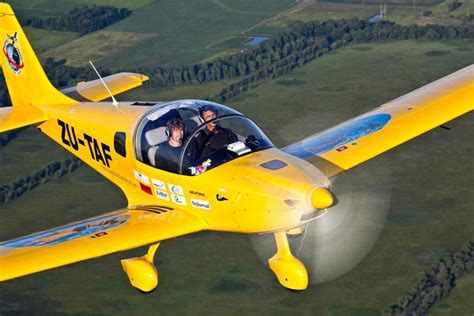
In conclusion, flying a Light Sport Aircraft in the U.S. is a rewarding journey — but only when undertaken with full understanding of the limitations, regulatory nuances, and future implications. Those who step into the world of LSA with eyes wide open often find themselves in a cockpit that delivers freedom, efficiency, and unforgettable joy in the skies.