A strong pilot resume is essential for landing your dream job in the aviation industry. It is your first opportunity to present your qualifications, achievements, and skills in a way that catches the eye of potential employers. In this article, we will discuss the key elements of crafting a pilot resume that stands out and helps you advance in your aviation career.
Structure Your Pilot Resume Effectively
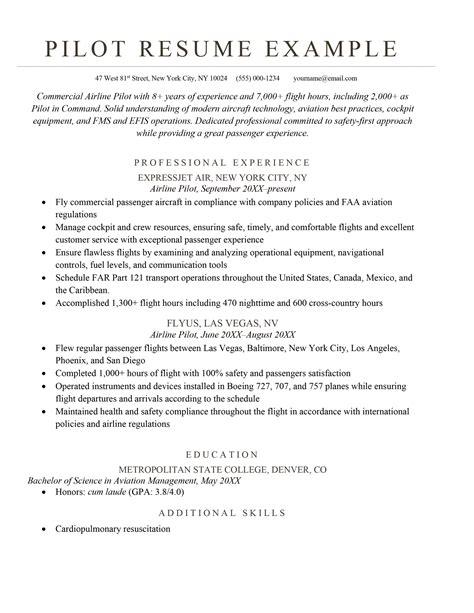
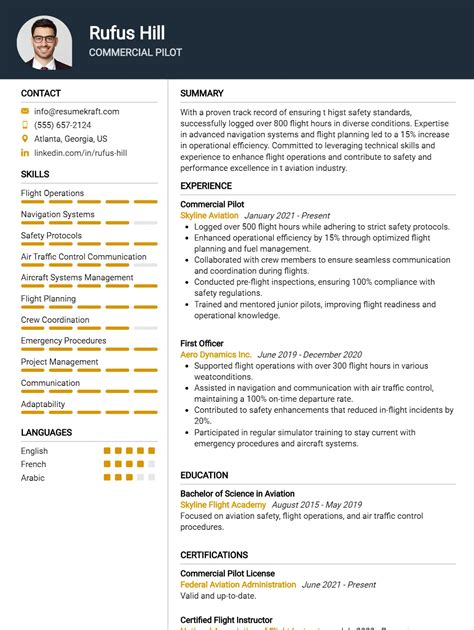
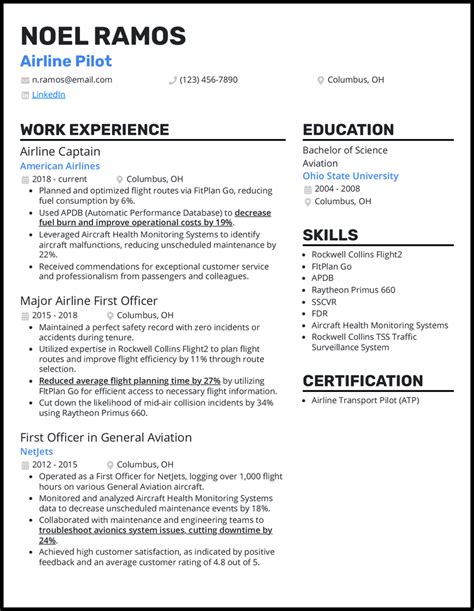
A well-structured resume is more than just an organized list of credentials — it should provide clarity, highlight your most important qualifications, and make it easy for employers to scan through your skills and experience. The key to an effective resume starts with a clear header, followed by strategically organized sections. Here’s the ideal structure to follow:
Header: Personal Information and Contact Details
Your resume header should include your full name, phone number, email address, and pilot certifications such as ATP (Airline Transport Pilot) or CFI (Certified Flight Instructor). Make sure these details are easy to spot.
Objective or Professional Summary
Start your resume with a brief professional summary or objective statement. This should outline your career goals and provide a quick snapshot of your experience. Keep it concise and focused on what you aim to achieve in your aviation career.
Flight Experience
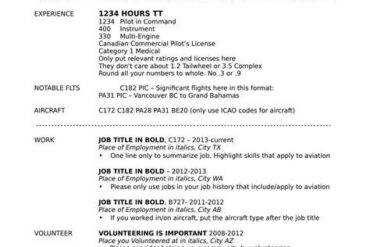
This is perhaps the most important section. List your total flight hours broken down into categories such as multi-engine, turbine, PIC (Pilot in Command), and instrument time. Specify the types of aircraft you’ve flown and the environments you’ve operated in (e.g., mountain flying, international flights).
Certifications and Ratings
Include details of your pilot certifications — Private, Commercial, ATP, and any additional ratings (e.g., Instrument, Multi-Engine, Seaplane Rating). Be sure to list any specialized training you’ve undergone, like CRM (Crew Resource Management) or SMS (Safety Management Systems).
Employment History
Provide an accurate and chronological account of your work experience, with a focus on the positions most relevant to the role you are applying for. Be sure to mention key responsibilities and highlight any leadership roles or special achievements during your employment.
Education
This section should include your educational background, including flight schools you’ve attended, relevant degrees, and any ongoing training. Employers appreciate seeing candidates who are committed to continual learning and professional development.
Skills and Additional Qualifications
Highlight any additional skills or qualifications that can set you apart from other candidates. This could include proficiency in languages, technical knowledge, or other training like upset recovery or aviation safety initiatives.
Highlight Your Skills and Qualifications
Your pilot resume must clearly emphasize the unique skills and accomplishments that make you an attractive candidate. Employers want to see not just hours logged, but the specific expertise and competencies that you bring to the table. For instance, if you have experience flying specific aircraft types or have held leadership positions in past roles, these should be clearly mentioned. Additionally, if you’ve received any notable awards such as Top Pilot of the Year or Safety Excellence Awards, include these achievements to demonstrate your dedication and value.
If you’ve completed advanced training in areas such as night flying, international operations, or critical flight operations, these can be valuable additions. Also, if you have any volunteer work or involvement in the aviation community (e.g., mentoring new pilots, volunteering with organizations like AOPA or EAA), make sure to showcase this too.
Tailor Your Resume for Each Job Application
A one-size-fits-all resume is unlikely to impress aviation employers. The key to standing out is to customize your resume for each job application, specifically targeting the skills and experiences most relevant to the position. Carefully review the job posting and identify the qualifications and specific requirements for the role. Adjust your resume to reflect the keywords and phrases mentioned in the listing to ensure you stand out in the Applicant Tracking System (ATS).
Keep Your Resume Concise and Focused
While it can be tempting to list every detail of your career, your pilot resume should be concise and focused on the most relevant information. Ideally, a resume should be one to two pages long, providing a quick yet comprehensive overview of your qualifications without overwhelming the reader with irrelevant details. Avoid including personal information (e.g., marital status or age) that does not relate directly to your professional career.
Use Professional Language and Formatting
The tone of your resume should always be professional. Choose language that reflects your expertise without using jargon or slang. This is particularly important for resumes that will be reviewed by non-pilot employers who may not be familiar with aviation-specific terminology.
Ensure that your formatting is consistent throughout the document. Use a clear, easy-to-read font and appropriate spacing. Sections should be well-defined, and important information should stand out. Consistency in formatting helps make your resume visually appealing and easier to navigate.
Proofread and Double-Check Your Resume
Errors in your resume, whether spelling, grammatical, or formatting inconsistencies, can create a negative impression. Proofreading is a critical step in the resume creation process. After reviewing your resume multiple times, ask a colleague, mentor, or friend to give it a second look. A fresh pair of eyes can often catch small mistakes that you might overlook.
Include Relevant Achievements and Accolades
If you’ve received any industry-specific recognition or awards, such as safety achievements, flight performance awards, or commendations from previous employers, highlight them in your resume. These accomplishments can help you stand out from other candidates and emphasize your dedication to excellence in aviation.
Leverage Keywords and Phrases from Job Postings
Many companies use Applicant Tracking Systems (ATS) to screen resumes, so it’s essential to incorporate relevant keywords and phrases directly from the job listing. Doing so increases your chances of passing the automated filters and getting your resume in front of a human reviewer.
Prepare an Accompanying Cover Letter
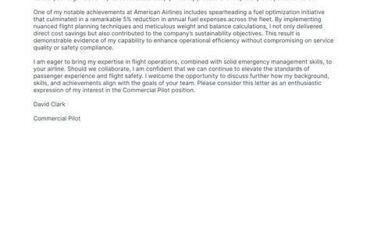
While not always mandatory, a well-crafted cover letter can provide additional context for your qualifications and career goals. Use your cover letter to briefly introduce yourself and elaborate on the points in your resume that are most relevant to the specific job you’re applying for. Be sure to tailor your cover letter just as you would your resume, ensuring that it aligns with the company’s culture and job expectations.
Conclusion
Crafting the perfect pilot resume requires a strategic approach to effectively showcase your skills, experience, and qualifications. With careful attention to structure, professional language, and relevance to the job at hand, you can significantly improve your chances of landing your next aviation job. Don’t forget to keep your resume focused, concise, and error-free, and remember that a well-tailored resume is the best way to make a lasting first impression.
FAQs
How can I make my pilot resume stand out?
To make your resume stand out, focus on highlighting unique qualifications, including specific aircraft experience, leadership roles, and any specialized training or awards. Customizing your resume to match the specific job description will also help your resume pass through ATS systems.
Should I include volunteer work on my pilot resume?
Yes, including relevant volunteer work or industry involvement can demonstrate your passion for aviation and commitment to professional development. It’s especially valuable if you’ve participated in safety initiatives, mentoring programs, or aviation community events.
What’s the ideal length for a pilot resume?
Aim to keep your pilot resume to one or two pages. Include only the most relevant experience and qualifications, ensuring that it’s concise while still comprehensive.