Embarking on a month-long solo journey through the Balkans is an ambition that promises unparalleled adventure, cultural immersion, and breathtaking landscapes. This diverse peninsula, rich in history and brimming with natural wonders, offers a tapestry of experiences for the intrepid solo traveler. However, the very first step – deciding which airport to fly into for your Balkan escapade – can feel like a monumental task. With numerous countries, each boasting unique charms and varying levels of connectivity, selecting the optimal entry point is crucial for a smooth, enjoyable, and cost-effective trip. This comprehensive guide will delve into the strategic considerations, explore the top airport contenders, and help you pinpoint the perfect launchpad for your unforgettable Balkan odyssey, especially if you’re planning a circular route and aiming to depart from your arrival airport.
The allure of a Balkan “loop,” perhaps starting in Slovenia, tracing the Adriatic coast down to Albania, venturing east through North Macedonia and Bulgaria, then arcing north via Serbia before returning to Slovenia, is understandable. It paints a picture of a grand, all-encompassing tour. Yet, for a one-month solo trip, particularly a first one, this ambitious circuit warrants careful consideration. The Balkans, while geographically compact compared to other regions, can present surprisingly long travel times between destinations due to mountainous terrain, varying road qualities, and, occasionally, border procedures. The wisdom shared by seasoned Balkan travelers often echoes a crucial piece of advice: slow down. Attempting to tick off too many countries in a limited timeframe can lead to a whirlwind of transit days, superficial encounters, and a feeling of exhaustion rather than enrichment. A more measured pace allows for deeper cultural immersion, spontaneous discoveries, and the precious opportunity to connect with locals and fellow travelers – a hallmark of a rewarding solo adventure.

Before diving into specific airports, let’s establish the key factors that should influence your decision. Your choice of arrival airport will significantly shape the initial leg of your journey and impact your overall budget and itinerary flow. Consider flight availability and cost from your home country; some Balkan airports are better served by international carriers and budget airlines than others. Proximity to your initial desired destinations is paramount – if you dream of starting with the emerald lakes of Slovenia, landing in Sofia, Bulgaria, might not be the most logical first step. Evaluate the ground transportation links from the airport to your first base and onwards; efficient and affordable connections are a solo traveler’s best friend. While most major Balkan airports are manageable, considering airport facilities and ease of navigation can reduce stress upon arrival. Finally, if you’re committed to a round-trip ticket from the same airport, ensure this choice logically accommodates the end of your intended loop without excessive backtracking.
Unveiling Your Balkan Entry Point: A Deep Dive into Key Airports
The Balkan Peninsula is dotted with airports of varying sizes and connectivity. Each offers a different strategic advantage depending on your travel style, budget, and the regions you’re most eager to explore. Let’s examine the most popular and practical options for a month-long solo expedition.
Ljubljana Jože Pučnik Airport (LJU), Slovenia: The Alpine Gateway
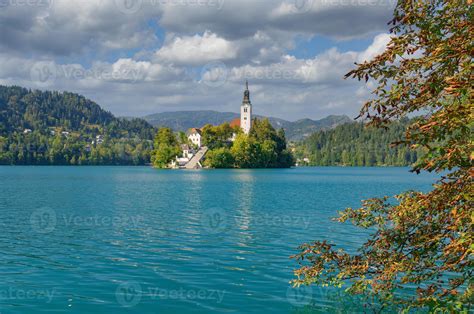
Flying into Ljubljana (LJU) offers an enchanting introduction to the Balkans. Slovenia, with its pristine Alpine scenery, charming capital, and iconic destinations like Lake Bled and Lake Bohinj, is a fantastic starting point. The airport itself is relatively small, modern, and easy to navigate. From LJU, you have excellent access to explore Slovenia thoroughly before potentially heading south into Croatia.
However, LJU’s smaller size can mean fewer direct international flights and potentially higher ticket prices compared to larger regional hubs. You might find yourself with more layovers. If Slovenia is a non-negotiable first stop and you prioritize a gentler entry into your solo travels, Ljubljana is a strong contender, provided you research flight costs carefully. Consider it if your itinerary heavily features Slovenia and northern Croatia, and you’re prepared for potentially less competitive airfares. For many, the charm of starting in this green jewel of Europe outweighs the cost. Ground transport into Ljubljana city center is efficient, with regular bus services and taxis available.
Zagreb Airport (ZAG), Croatia: The Well-Connected Hub
Zagreb (ZAG), the capital of Croatia, stands out as a highly practical and often cost-effective entry point. Its airport is modern, well-organized, and boasts a growing number of international connections, including several budget airlines. Zagreb itself is a vibrant city with a rich Austro-Hungarian heritage, offering plenty to see and do for a few days before you venture further.
Strategically, Zagreb provides an excellent base for exploring continental Croatia, Istria, and Plitvice Lakes National Park. It’s also well-positioned for onward travel to Slovenia to the north, Bosnia and Herzegovina to the southeast, or even Hungary to the northeast. For a solo traveler looking for a balance of good flight availability, reasonable prices, and a central location for a multi-country itinerary that includes Croatia, Zagreb is a top-tier choice. Its robust bus network connects it efficiently to other Balkan capitals and coastal Croatian cities.
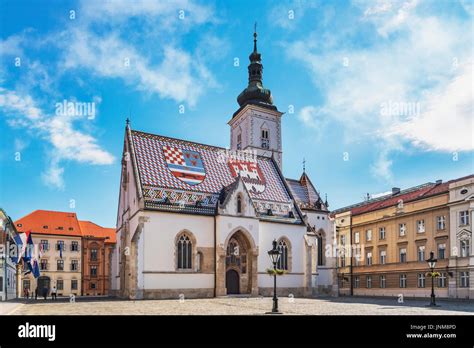
Dubrovnik Airport (DBV) & Split Airport (SPU), Croatia: The Adriatic Jewels
If your Balkan dreams are predominantly filled with sun-drenched Adriatic coastlines and historic walled cities, then Dubrovnik (DBV) or Split (SPU) in Croatia might seem like ideal entry points. Both airports serve as gateways to Croatia’s famed Dalmatian Coast, its myriad islands, and stunning natural parks. Dubrovnik, the ‘Pearl of the Adriatic,’ is undeniably beautiful, while Split offers a unique blend of ancient Roman history and vibrant modern life.
However, for a month-long, multi-country Balkan loop, starting and ending in Dubrovnik or Split might present logistical challenges. These cities are geographically at the southern end of Croatia, potentially leading to significant backtracking if your itinerary includes northern Balkan countries. Moreover, flights into DBV and SPU can be more expensive, especially during peak tourist season (May through September), and the cities themselves can be crowded. These airports are perhaps better suited for itineraries heavily focused on Croatia and Montenegro, or for travelers who plan to fly into one and out of another further north or inland. If the coast is your absolute priority, they are worth considering, but weigh the cost and itinerary implications carefully for a broader Balkan tour.
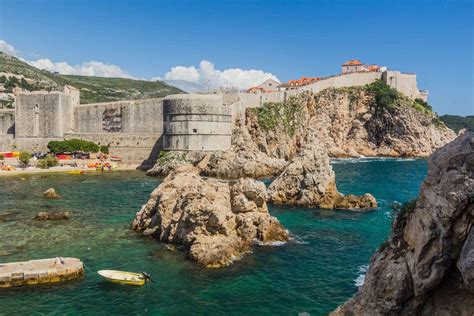
Sarajevo International Airport (SJJ), Bosnia and Herzegovina: The Heart of the Balkans
Sarajevo (SJJ) offers a compelling and historically profound entry into the Balkans. The capital of Bosnia and Herzegovina is a city where East meets West, with a captivating blend of Ottoman and Austro-Hungarian influences. It’s a city that tells a powerful story, and its resilient spirit is palpable. The airport, while smaller than Zagreb or Belgrade, has been steadily improving its connections and facilities.
Flying into Sarajevo places you in the geographical and cultural heart of the Western Balkans. It’s an excellent base for exploring Bosnia and Herzegovina’s stunning natural landscapes, including Mostar’s iconic Stari Most and the Kravice Waterfalls. From Sarajevo, you can relatively easily travel to Croatia, Montenegro, and Serbia. For solo travelers seeking deep cultural immersion and a less overtly ‘touristy’ starting point (though Sarajevo is popular), it’s an excellent choice. Flight prices can be competitive, particularly if you’re flexible with dates and carriers. The city’s compact nature makes it easy to explore on foot, and its atmosphere is incredibly welcoming.
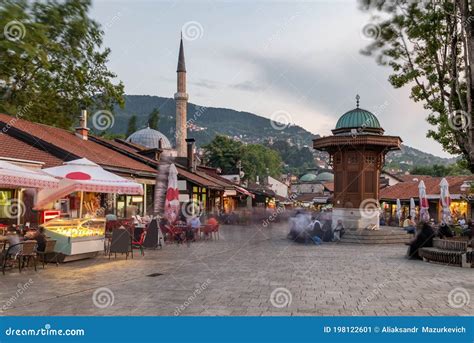
Belgrade Nikola Tesla Airport (BEG), Serbia: The Eastern Powerhouse
Belgrade (BEG), Serbia’s dynamic capital, is home to one of the busiest airports in the Balkans. It serves as a major hub for Air Serbia and attracts numerous international and budget airlines, often resulting in very competitive flight prices and excellent connectivity, especially to Eastern and Western Europe. Belgrade is a city of contrasts, known for its energetic nightlife, rich history, and imposing fortresses at the confluence of the Sava and Danube rivers.
While some travelers find the airport experience at BEG a little less polished than at newer terminals in Zagreb or Ljubljana, its logistical advantages are undeniable. If you’re on a tighter budget or looking for a wide array of flight options, Belgrade is a strong contender. It’s an excellent starting point for exploring Serbia, and from there, you can easily access Romania, Bulgaria, North Macedonia, or head west towards Bosnia and Herzegovina and Croatia. For a solo traveler comfortable with a bustling, sometimes gritty, urban environment, Belgrade offers a stimulating entry into the region.
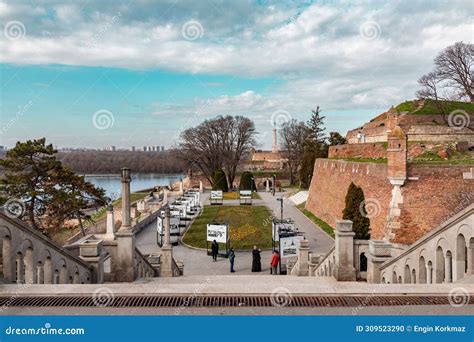
Tirana International Airport Nënë Tereza (TIA), Albania: The Rising Star
Tirana (TIA) has rapidly emerged as a remarkably affordable and increasingly popular gateway to the Balkans, especially for travelers coming from Western Europe or even the US. Albania, once one of Europe’s most isolated countries, is now a vibrant destination offering stunning coastlines, rugged mountains, and unique Ottoman-era towns. The airport has seen significant upgrades and handles a growing volume of flights, including many from low-cost carriers.
Starting your Balkan adventure in Tirana can be particularly appealing for budget-conscious solo travelers. From here, you can explore Albania’s diverse attractions, from the Albanian Riviera to the Accursed Mountains, before venturing into neighboring Montenegro, Kosovo, North Macedonia, or Greece. If your itinerary leans towards the southern Balkans and you’re seeking excellent value for money on flights, Tirana should be high on your list. The warmth of Albanian hospitality is also a huge plus for solo explorers.

Podgorica (TGD) & Tivat (TIV), Montenegro: Gateways to Dramatic Beauty
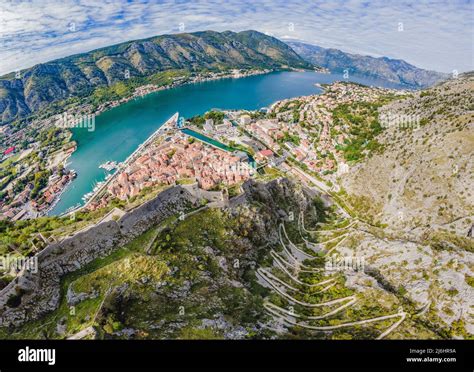
Montenegro, a small country packing a mighty punch in terms of natural beauty, is served by two main international airports: Podgorica (TGD), the capital, and Tivat (TIV), located conveniently on the Bay of Kotor. Tivat is particularly appealing if your immediate goal is to explore the stunning fjord-like Bay of Kotor and coastal towns like Kotor and Perast. Podgorica offers better connections to the country’s interior, including Durmitor National Park.
Flights into these airports can be more seasonal and sometimes pricier than larger hubs, but they offer direct access to Montenegro’s prime attractions. For a solo traveler whose primary focus is Montenegro’s dramatic coastline and mountainous interior, flying into Tivat or Podgorica makes excellent sense. From Montenegro, it’s relatively easy to travel to Croatia, Bosnia and Herzegovina, Albania, and Serbia.
Skopje International Airport (SKP), North Macedonia: The Undiscovered Gem
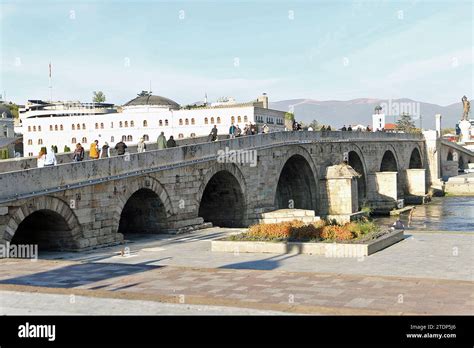
Skopje (SKP), the capital of North Macedonia, offers an intriguing and often very affordable entry point to the Balkans. The city itself is a fascinating mix of ancient history, Ottoman-era bazaars, and somewhat controversial modern architecture. North Macedonia boasts beautiful lakes like Ohrid, stunning national parks, and a rich wine region.
Skopje’s airport is modern and efficient, with good connections via low-cost carriers like Wizz Air. It’s an excellent choice for travelers looking to explore North Macedonia, Kosovo, southern Serbia, Albania, and western Bulgaria. If you’re seeking an off-the-beaten-path start to your Balkan journey and prioritize budget-friendly travel, Skopje delivers. The country is known for its hospitality and relatively low cost of living, making it attractive for solo adventurers.
Sofia Airport (SOF), Bulgaria: The Easternmost Hub
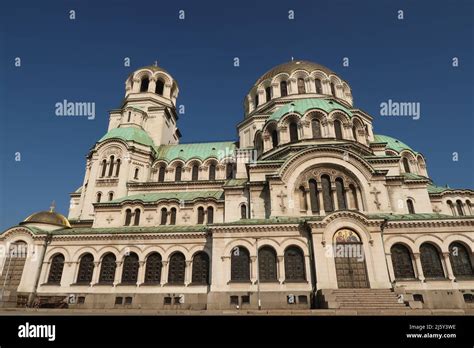
Sofia (SOF), Bulgaria’s capital, is another major airport in the eastern Balkans with excellent international connectivity, including numerous budget airline routes. Sofia is a city with layers of history, from Roman ruins to Ottoman mosques and Soviet-era architecture, set against the backdrop of Vitosha Mountain.
While geographically a bit further east if your primary interest lies in the Adriatic countries, Sofia is a great starting point for exploring Bulgaria (Rila Monastery, Plovdiv, Black Sea coast) and for onward travel to Romania, Turkey, Greece, North Macedonia, and Serbia. If your planned loop has a significant eastern Balkan component or if you find exceptionally cheap flights into Sofia, it’s a viable option. However, for a loop that heavily emphasizes the western Balkans and aims to return to the same airport, starting in Sofia might involve more extensive travel to complete the circle.
Considering Nearby Non-Balkan Hubs: Venice (VCE), Vienna (VIE), Budapest (BUD)
It’s worth noting that sometimes, the most economical or convenient flights might be into major European hubs just outside the Balkan Peninsula, such as Venice (VCE) in Italy, Vienna (VIE) in Austria, or Budapest (BUD) in Hungary. These airports offer vast international connections and are often served by a wider range of airlines, potentially leading to significant savings on long-haul flights.
From these cities, there are generally good and affordable bus or train connections into the northern Balkan countries, particularly Slovenia and Croatia. For example, Venice is a short bus ride from Trieste, which then has easy connections to Ljubljana and Istria. Vienna and Budapest offer direct train and bus routes to Zagreb and Ljubljana. The downside is that this adds an extra leg to your journey and means you’re starting your Balkan experience outside the region. However, if the flight savings are substantial, this can be a very practical approach, especially for a month-long trip where an extra half-day of travel at the beginning is manageable.
Crafting Your Itinerary: The Loop, The Pace, and The Solo Experience
Your choice of arrival airport is intrinsically linked to your intended itinerary. The initial plan to fly into Slovenia, loop south along the coast, head east, and then north back to Slovenia covers a vast territory: Slovenia, Croatia, Albania, North Macedonia, Bulgaria, and Serbia. While ambitious and covering many highlights, completing this in one month, especially as a first-time solo traveler, is a significant undertaking. Travel between Balkan countries, while generally straightforward by bus, can take longer than anticipated. Border crossings, though usually smooth, can add time, particularly during peak seasons or if thorough checks are conducted. Renting a car offers flexibility but comes with its own considerations, such as cross-border fees and restrictions (always verify with the rental company if international travel is permitted and which countries are covered).

Embracing the “slow travel” philosophy will almost certainly enhance your solo Balkan adventure. Instead of rushing to see seven countries in four weeks, consider focusing on a smaller cluster of nations, allowing for more in-depth exploration and spontaneous detours. For instance:
- Starting in Zagreb (ZAG): Focus on Croatia (including Plitvice and the coast), Slovenia, Bosnia and Herzegovina, and perhaps a foray into Montenegro. This creates a more manageable loop or a linear route if you choose a different departure airport.
- Starting in Tirana (TIA): Explore Albania thoroughly, then head to Montenegro, Kosovo, and North Macedonia. This offers a fantastic blend of coast, mountains, and unique cultures in the southern Balkans.
- Starting in Belgrade (BEG): Discover Serbia, then venture into Bosnia and Herzegovina, Montenegro, or head east towards Romania and Bulgaria if time allows.
If you are set on arriving and departing from the same airport to simplify flight bookings, carefully map out your loop to ensure it flows logically and minimizes redundant travel. For example, arriving in Zagreb could allow for a loop through Bosnia, down the Croatian coast, into Montenegro, then back up through inland Croatia or even a quick hop to Slovenia before returning to Zagreb. The key is to be realistic about travel times and not overschedule yourself. Remember, solo travel offers the freedom to change plans, linger longer in places you love, and truly soak in the atmosphere.
Navigating the Region: Transportation Realities
Buses are the undisputed champions of Balkan travel. They are frequent, relatively inexpensive, and connect almost every town and city. Companies like FlixBus operate on many international routes, while local operators cover domestic journeys. Bus stations are usually centrally located, and tickets can often be bought on the day of travel, though booking ahead for popular routes is advisable.
Trains are less prevalent than in Western Europe but offer some scenic and comfortable journeys, such as the famous Belgrade to Bar (Montenegro) line. Train networks are more developed in countries like Slovenia, Croatia, and Serbia, but may not be the most efficient option for cross-border travel in all parts of the Balkans.
Renting a car provides the ultimate flexibility, especially for accessing more remote national parks or coastal areas. However, be mindful of costs (rental fees, fuel, tolls, cross-border charges), varying road conditions, and parking challenges in historic city centers. Crucially, if planning to cross borders, confirm with the rental agency that this is permitted and what documentation (e.g., green card insurance) is required. Not all companies allow their vehicles into all Balkan countries, and restrictions can be particularly tight for travel into non-EU nations if renting from an EU country.
Making Your Final Airport Choice: A Personal Blueprint
Ultimately, there is no single “best” airport to fly into for your month-long solo Balkan trip. The optimal choice depends entirely on your personal travel style, budget, must-see destinations, and tolerance for transit time.
If budget is your primary driver, investigate flights into Tirana (TIA), Belgrade (BEG), or Skopje (SKP), as these often offer the most competitive fares, especially with low-cost carriers. Also, compare prices to nearby hubs like Venice, Vienna, or Budapest if you’re open to an initial overland journey.
If your heart is set on the northern Adriatic and Alpine scenery first, then Ljubljana (LJU) or Zagreb (ZAG) are excellent choices, with Zagreb generally offering better flight connectivity and potentially lower prices.
For a deep dive into history and a central Balkan starting point, Sarajevo (SJJ) provides a poignant and enriching beginning to your adventure.
Before booking, sketch out a rough itinerary. Which countries and regions call to you most strongly? Once you have a clearer idea of your priorities, use flight comparison websites to check prices and routes to various Balkan airports from your origin. Consider flying in early May, as you planned, as this is often a sweet spot with pleasant weather and fewer crowds than peak summer, though still be prepared for some tourist activity in popular spots.
Your first solo trip is a journey of discovery, both of the world and of yourself. The Balkans, with their incredible diversity, warm hospitality, and relatively affordable cost of travel, provide a magnificent backdrop for such an adventure. Choosing your entry airport wisely is the first step in crafting an experience that will leave you with memories to last a lifetime. Embrace the planning, but also leave room for the unexpected – that’s where the true magic of solo travel often lies.