Airport Operations Management Courses serve as the cornerstone for aspiring professionals aiming to thrive in the fast-paced and technologically advanced world of aviation. As global passenger traffic climbs and airlines expand fleets, the demand for highly trained airport operations specialists is intensifying. For those prepared to meet this demand, the right educational program offers a direct path into a dynamic and rewarding aviation career.
The Surge in Global Aviation and Career Demand
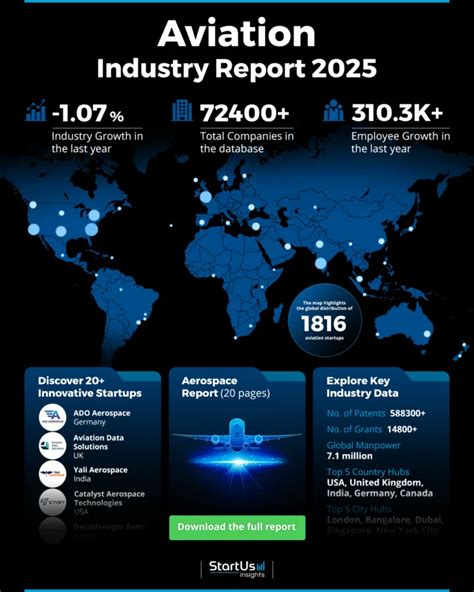
The International Air Transport Association (IATA) has projected that in 2024, the aviation sector will reach an unprecedented $996 billion in revenue, serving nearly 5 billion travelers. This explosive growth fuels the need for professionals equipped with expertise in airport operations management, where the seamless coordination of infrastructure, safety protocols, ground support, and regulatory compliance becomes critical.
Airport Operations Management Courses are structured to meet this growing demand by preparing students to manage airside and landside operations, optimize airport efficiency, and ensure safety compliance in increasingly complex environments. The global expansion of airports, combined with enhanced air traffic, calls for individuals who can lead with both precision and innovation.
Choosing the Right Program for Career Advancement
Selecting a program aligned with your professional goals is crucial. For example, the Bachelor of Science in Aviation/Aerospace with a concentration in Airport Operations Management from Everglades University is tailored for individuals seeking foundational knowledge paired with practical skills in managing airport functions.
This comprehensive degree covers:
-
Airport safety protocols and regulations
-
Airside and groundside operations
-
Airport security and emergency management
-
Strategic planning and infrastructure management
The integration of Federal Aviation Administration (FAA) guidelines ensures students gain direct exposure to operational standards and safety regulations governing U.S. airports.

Specialized Learning Tracks in Aviation
Airport Operations
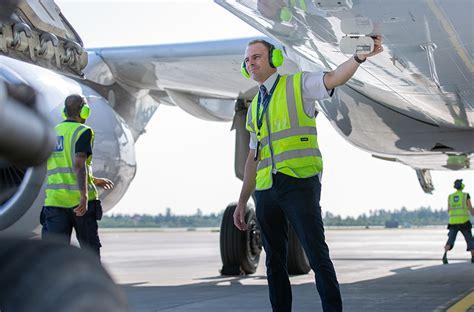
The core of this educational track focuses on the day-to-day management of airport systems, from baggage handling and runway inspections to coordinating with air traffic controllers and ensuring regulatory compliance. Students will be equipped to:
-
Supervise ground handling and maintenance crews
-
Oversee airport safety and crisis management procedures
-
Coordinate with airlines, TSA, and customs officials
This role is vital to the overall safety and efficiency of an airport. Strong organizational and leadership skills are cultivated through real-world simulations and specialized coursework.
Flight Operations
For licensed pilots or those pursuing aviation from the cockpit side, the Flight Operations specialization bridges flying experience with airport-level management. The curriculum enhances:
-
Operational planning and airline logistics
-
Crew resource management
-
Fuel strategy and flight scheduling
Graduates emerge as strong candidates for airline operations roles, bringing both piloting expertise and a deep understanding of behind-the-scenes logistics.
Aviation Operations Management (Graduate-Level)
At the master’s level, programs such as the Master’s in Aviation Science with a concentration in Aviation Operations Management offer in-depth academic exploration of technical and executive-level operations.
This track covers:
-
Aviation policy and global airspace management
-
Leadership in complex airport systems
-
Risk assessment and compliance strategy
-
Integration of AI in aviation logistics
Graduates are prepared to shape policy and strategy at leading airports, regulatory bodies, and aviation tech firms.
The Integration of Emerging Technologies
The aviation industry is rapidly embracing artificial intelligence (AI), automation, and predictive maintenance tools. Courses that incorporate AI-driven modules prepare students to:
-
Analyze real-time flight data for operational improvements
-
Use machine learning for route and fuel optimization
-
Implement automated safety inspections
Programs like Everglades University’s degrees are continuously updated to reflect these trends, making graduates more competitive in a technologically evolving marketplace.
Role of General Education in Aviation Programs
While technical knowledge is critical, the general education curriculum enhances the soft skills essential for success. Courses in:
-
English Composition and Speech strengthen communication
-
Mathematics and Algebra support data analysis and logistics
-
Psychology and Political Science help contextualize global and human factors in aviation
This academic diversity fosters critical thinking, adaptability, and leadership—skills vital to managing dynamic, high-pressure environments.

Advancing Through Specialized and Graduate-Level Coursework
Upper-level coursework builds mastery in key topics like:
-
Aviation Planning and Infrastructure
-
Airport Security and Emergency Planning
-
Airline Operations and Network Scheduling
At the graduate level, students explore strategic challenges through case studies and scenario modeling. Courses include:
-
Aviation Logistics Management
-
Airfield and Terminal Management
-
Contemporary Issues in Aviation Safety
These modules challenge students to develop innovative responses to real-world operational crises and regulatory shifts.
Lifelong Learning and Professional Growth
Aviation professionals must commit to continuous learning due to evolving global policies, security concerns, and technological breakthroughs. Institutions like Everglades University offer alumni:
-
Access to online refresher courses
-
Updates on FAA and IATA regulations
-
Networking opportunities through aviation-focused events and seminars

Taking the Next Step Toward a Career in Airport Operations
Pursuing Airport Operations Management Courses is more than an academic choice—it’s an investment in a global career. With the right degree, students can:
-
Lead operational teams at domestic or international airports
-
Manage logistics for commercial airline networks
-
Advance to executive positions in aviation consulting or airport planning
Everglades University stands out with its flexible online and campus-based programs, expert faculty, and real-world aligned curriculum. Advisors are available to support you through:
-
Application and enrollment
-
Customizing your course plan
-
Preparing for internship or job placements
With industry growth accelerating, the time to launch your aviation career is now.
FAQs About Airport Operations Management Courses
What qualifications do I need to enroll in an Airport Operations Management program?
Most Bachelor-level programs require a high school diploma or equivalent. Graduate-level programs typically require a completed undergraduate degree, ideally in aviation, engineering, business, or a related field.
What kind of careers can I pursue after completing these courses?
Graduates can work as Airport Operations Managers, Airside Supervisors, Terminal Coordinators, Airline Operations Specialists, or Aviation Consultants. With experience, advancement to senior leadership roles is common.
How do online airport operations management programs compare to in-person options?
Online programs offer flexibility and access to the same rigorous coursework as in-person programs. Many universities also provide virtual simulations and interactive modules to mirror on-campus training experiences.