The Unsung Architects of Global Trade: Who Are Cargo Pilots?
In the shadow of the bustling terminals and glamorous passenger flights, cargo pilots operate at the very core of the global supply chain. These professionals don’t just fly packages—they ensure that critical goods, life-saving medicines, and time-sensitive freight reach their destinations, often under demanding conditions and tight schedules. While commercial airline pilots are frequently in the public eye, cargo pilots remain behind the scenes, maintaining an equally complex and dynamic operation that serves as the backbone of international logistics.
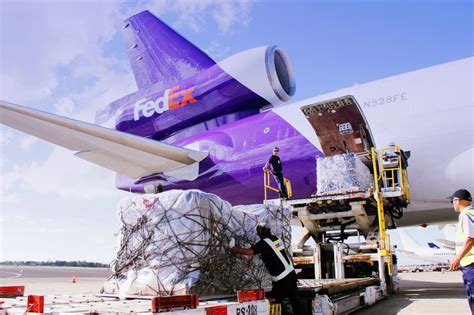
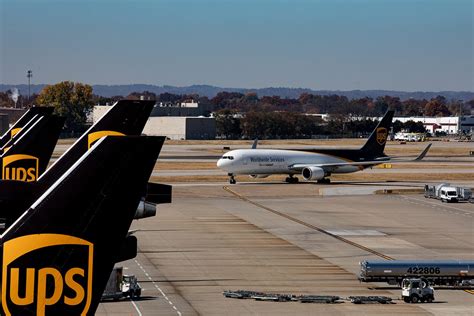
The industry giants like FedEx and UPS spearhead this sector with fleets that rival passenger airlines in size, complexity, and geographic reach. Their aircraft don’t wait for passenger boarding—they’re loaded with parcels, documents, and freight containers moving through intricately timed logistics networks. These companies, and others in the sector, rely on thousands of highly skilled cargo pilots flying day and night to make it all work.
Why Become a Cargo Pilot? Competitive Pay and Unmatched Stability
Cargo aviation has proven to be one of the most resilient sectors in the aviation industry. During the COVID-19 pandemic, when commercial airline traffic saw an unprecedented decline, freight demand surged, particularly for e-commerce and medical supplies. This made cargo carriers a beacon of stability for pilots navigating uncertain skies.
Pay is also a major draw. FedEx captains earn between $289–$335 per hour, while UPS captains can reach up to $351 per hour, regardless of the aircraft type. These figures surpass many of their counterparts in passenger aviation.
Even outside the big two, other cargo operators like Western Global offer lucrative compensation models. A new hire pilot might earn $527 per day, scaling up to $983 daily for seasoned captains. IFL Group uses a hybrid pay model: First Officers begin at $62,000 annually, with additional per-mile compensation ranging from $0.05 to $0.18, rewarding long-haul operations at jet speeds.

Robust Benefits and Retirement Packages
Beyond hourly pay, benefits packages are where cargo carriers shine. FedEx and UPS provide defined benefit pension plans—a rarity in modern aviation—that yield six-figure annual retirements. Other players like Kalitta Air offer defined contribution programs, contributing set amounts regardless of employee input.
Smaller carriers typically implement 401(k) matching, but when combined with disability coverage, health insurance, and life insurance, the total compensation becomes a powerful incentive for pilots seeking long-term security.
Education and Certification Requirements
To enter this elite tier of aviation, aspiring cargo pilots must begin with the FAA Private Pilot License (PPL) and progress through to the Airline Transport Pilot (ATP) Certificate, which is mandatory for operating under Part 121 regulations.
Key milestones include:
-
1,500 total flight hours (ATP requirement)
-
Multi-Engine Commercial License
-
Instrument Rating
However, meeting these minimums often isn’t enough. Major cargo carriers such as FedEx and UPS are highly selective, with a deep bench of qualified applicants vying for limited slots. Most successful candidates exceed flight hour minimums, often with extensive experience in regional airlines, military aviation, or feeder carriers.
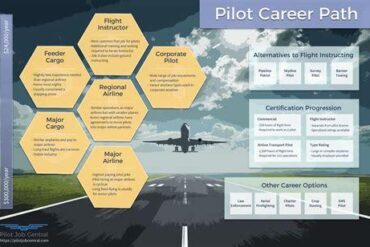
Building Experience Through Feeder Airlines
For those beginning their journey, feeder carriers provide a critical stepping stone. Companies like Mountain Air Cargo, Empire Airlines, Martinaire, and Ameriflight operate smaller turboprop aircraft, such as the Cessna 208 Caravan and Swearingen Metroliner, connecting remote areas to major hubs.
These roles allow pilots to accrue essential Part 135 IFR Captain experience, including flight hours in diverse conditions and aircraft types. Once pilots reach ATP minimums, they become eligible for opportunities with larger ACMI and dedicated cargo operators.

The Role of ACMI Operators in Cargo Aviation
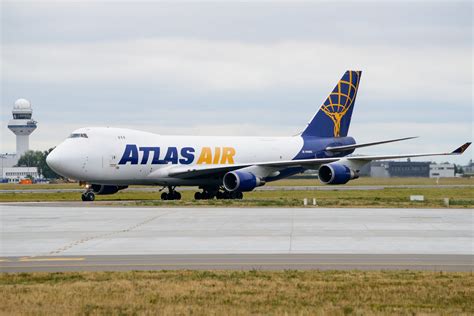
ACMI carriers—short for Aircraft, Crew, Maintenance, and Insurance—play a vital role in global logistics. These operators don’t own the cargo they transport. Instead, they offer turnkey aviation services to logistics giants like Amazon and DHL, allowing them to outsource air freight without maintaining their own fleet.
Leading ACMI carriers in the U.S. include:
-
Atlas Air
-
Kalitta Air
-
ABX Air
-
Air Transport International
-
National Airlines
ACMI operators are often more flexible in their hiring practices. Some hire pilots right at ATP minimums, enabling earlier entry into larger aircraft like the Boeing 747, 767, and 777. The result is international experience, accelerated career growth, and exposure to complex logistics operations.
Career Progression: From Caravan to Jumbo Jets
The path from a Cessna Caravan to the flight deck of a wide-body freighter is both achievable and rewarding. A typical career trajectory may look like:
-
Flight school and licensing (PPL to ATP)
-
Regional or feeder airline pilot (1200–1500 hours)
-
Feeder captain or first officer at a national cargo carrier
-
Wide-body operations with ACMI or global carrier (B747, B767, MD-11)
In some cases, pilots transition from military aviation, especially those with heavy jet or transport experience. These candidates often enter directly into senior roles with major cargo airlines, reflecting their operational readiness.
Daily Life and Flying Conditions
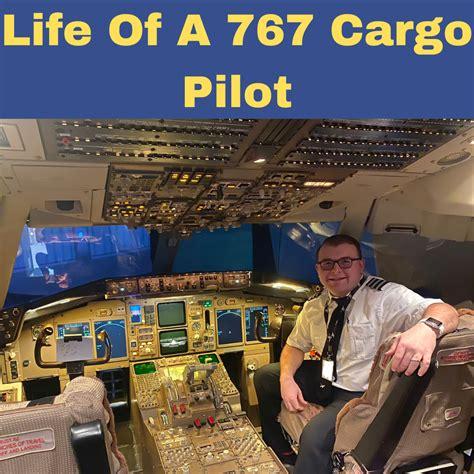
The daily life of a cargo pilot diverges sharply from that of their passenger airline counterparts. Flights are often scheduled overnight, with departures post-midnight and arrivals at sunrise. Pilots work irregular hours, but enjoy predictable patterns with fewer delays and less customer interaction.
Instead of multiple short legs, cargo flights are often long-haul, reducing fatigue caused by frequent takeoffs and landings. Pilots may operate across time zones, carrying perishable goods, electronics, or industrial supplies that must arrive on time.
Training Institutions and Career Pathway Programs
To accelerate readiness, professional flight schools such as AeroGuard Flight Training Center provide focused, immersive programs. Located in Phoenix, Chandler, and Austin, AeroGuard’s Pilot Pathway Program streamlines the certification process, preparing students for feeder airline roles and eventually positions with major cargo operators.
Their curriculum integrates advanced simulator training, multi-engine experience, and career placement support, helping aspiring pilots reach industry standards faster and more efficiently than traditional routes.
How to Stand Out in Cargo Pilot Applications
Competition is fierce for the top cargo pilot roles. To rise above the rest, applicants should focus on more than just flight hours. Volunteer work, mentorship roles, and participation in organizations like Women in Aviation International (WAI) or Aircraft Owners and Pilots Association (AOPA) can demonstrate commitment and leadership.
Additionally, pilots who proactively obtain certifications in hazardous material handling, international procedures, or advanced autopilot systems can present themselves as more valuable to high-standard cargo operations.

Frequently Asked Questions
How long does it take to become a cargo pilot?
It typically takes 2 to 4 years to meet the FAA’s 1,500-hour minimum requirement for an ATP license, depending on flight school pacing and access to time-building opportunities. Accelerated programs like AeroGuard’s can reduce that time frame significantly.
Do cargo pilots fly internationally?
Yes, many cargo pilots operate intercontinental flights, especially with companies like Atlas Air, Kalitta Air, and DHL Aviation. Routes often include Asia, Europe, the Middle East, and South America, moving high-value or time-sensitive freight.
Are cargo pilot jobs more stable than passenger airline roles?
In general, yes. Cargo carriers showed strong financial performance during the pandemic and benefit from consistent demand in e-commerce, medical logistics, and international trade. Their operations are less affected by seasonal travel trends and consumer fluctuations.