The SR-71 Blackbird was more than a revolutionary aircraft; it was a flying spacecraft built for the edge of human endurance. Developed by Lockheed’s Skunk Works during the 1960s, the strategic reconnaissance aircraft pushed beyond conventional aviation limits with extraordinary speed, altitude, and engineering complexity. While the aircraft became famous for reaching speeds above Mach 3, the men who operated it faced challenges that made their preparation resemble an astronaut mission more than a normal military flight.
The SR-71 operated at altitudes where ordinary flight equipment could no longer protect a human body. At approximately 85,000 feet, a sudden loss of cabin pressure could become fatal within seconds. Unlike pilots of aircraft such as the F-4 Phantom II, SR-71 crews required specialized survival systems, extensive medical screening, and procedures designed around the extreme environment of near-space operations.
Becoming an SR-71 pilot was an exclusive process. Candidates had to volunteer for the highly classified program and pass rigorous evaluations similar to astronaut selection. Physical examinations, psychological testing, interviews, and demanding flight assessments determined whether a pilot had the ability to handle the unique responsibilities of the Blackbird mission.
SR-71 Blackbird Pressure Suits Built for Near-Space Flight
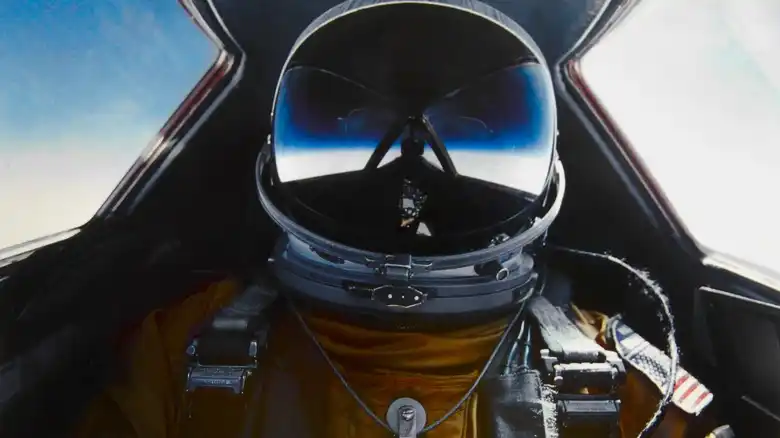
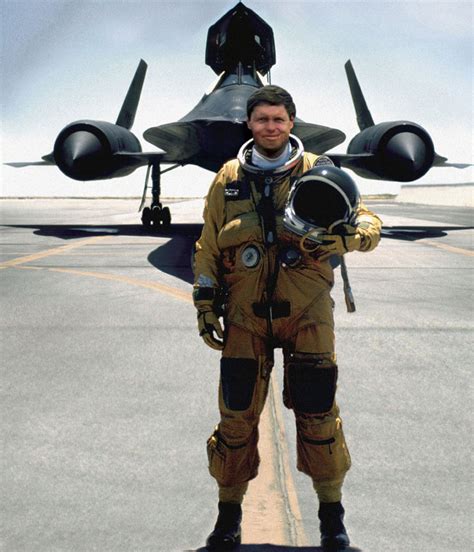
The most visible difference between SR-71 pilots and conventional military aviators was their equipment. Instead of wearing a standard flight suit, Blackbird crews wore a full-pressure suit designed to keep them alive in the thin atmosphere at extreme altitude. The suit technology closely resembled equipment used by NASA astronauts.
The David Clark S1030 Full Pressure Suit, introduced in 1970, represented years of development focused on pilot survival. It included multiple protective layers, oxygen connections, specialized boots, and a sealed helmet. The design allowed the pilot to remain protected even if the aircraft suffered catastrophic cabin pressure loss.
Preparing the suit was a detailed process that could not be rushed. Before every mission, crews completed inspections of the suit’s comfort liner, thermal protection layers, pressure components, and helmet connections. The equipment was heavy and restrictive, transforming a pilot into a human life-support system operator before entering the cockpit.
SR-71 Mission Preparation Required Astronaut-Level Discipline
The preparation for an SR-71 mission extended beyond flight equipment. Pilots followed a carefully controlled routine that included a specialized high-protein diet provided by a dedicated dining facility serving SR-71 and U-2 Dragon Lady crews. Maintaining physical condition was essential because missions could last for several hours under extreme conditions.
Before takeoff, pilots also switched to breathing pure oxygen to reduce the risk of decompression-related injuries. A parachute harness, pressure suit, boots, and helmet created a demanding preflight process unlike anything required for ordinary fighter aircraft.
Even the aircraft itself required unusual preparation. The SR-71’s advanced engines and materials were designed for extreme speeds, but they needed careful handling before launch. Ground crews had to heat the aircraft’s oil before engine startup because standard conditions were insufficient for the specialized propulsion system.
Life Inside the SR-71 Cockpit at Mach 3 Speeds
Flying the Blackbird was a test of both technology and human endurance. The aircraft generated tremendous heat from aerodynamic friction, causing the quartz cockpit windows to reach temperatures around 580 degrees Fahrenheit during high-speed flight.
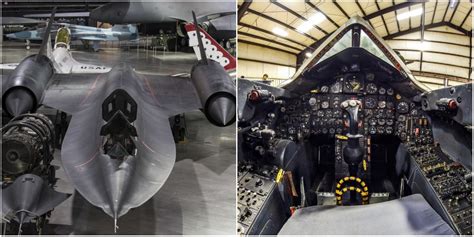
To manage the heat, pilots used portable cooling systems connected to their pressure suits. These systems helped regulate body temperature during missions where the aircraft’s exterior environment was hostile to human survival.
Long-duration flights also required solutions for basic human needs. Crews used specialized urine collection systems, and meals were designed to be consumed inside the cockpit. Food containers were placed against the cockpit window, where the intense external heat helped warm them during flight.
The SR-71 Blackbird Crew Legacy
The SR-71 was eventually retired from U.S. Air Force service in 1990, although NASA continued operating examples until 1999. Today, the aircraft remains a symbol of advanced aerospace engineering and human determination.
The Blackbird’s achievements were not only the result of titanium structures, powerful engines, and stealth-like design. They depended on carefully selected crews who trained and prepared like astronauts. The SR-71 pilots were not simply flying faster jets; they were operating one of the closest machines ever created to a spacecraft with wings.