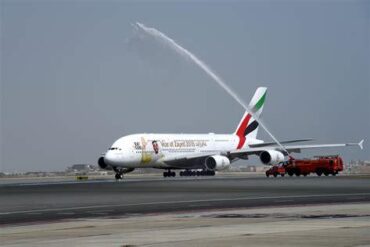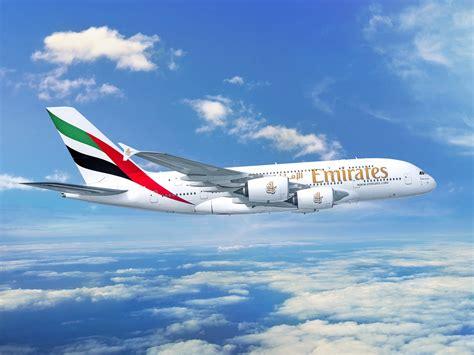
Emirates is preparing for a significant expansion of its London operations, signaling renewed confidence in one of the airline’s most valuable international markets. Beginning in December, the Dubai-based carrier plans to operate nine daily Airbus A380 flights across London’s airports, marking the first time the airline has reached this level of Superjumbo capacity since December 2025. The move reflects strengthening passenger demand between the United Kingdom and the Middle East while reinforcing London’s position as Emirates’ single most important destination for the iconic double-decker aircraft.
The expanded schedule also demonstrates how Emirates continues rebuilding capacity following months of operational adjustments triggered by instability across parts of the Middle East. As travel demand steadily returns, the airline is once again investing heavily in high-capacity aircraft on routes capable of consistently filling hundreds of premium and economy seats every day. London remains the perfect example of that strategy, combining strong local demand with enormous volumes of connecting passengers traveling through Dubai.
Rather than spreading additional frequencies across numerous European destinations, Emirates has concentrated significant resources on London, a market where airport slots are scarce, premium demand remains exceptionally strong, and connecting traffic supports year-round high load factors. The decision underlines the airline’s long-term confidence in both its Airbus A380 fleet and the enduring strength of the UK travel market.
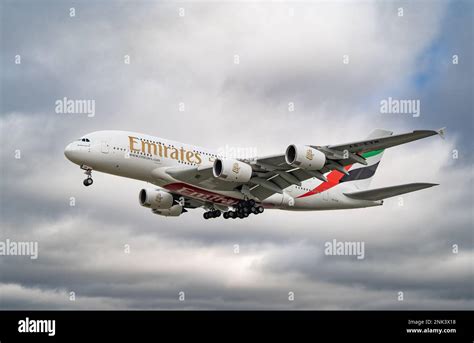
Emirates Restores Nine Daily Airbus A380 Flights Across London
The upcoming December schedule represents an important milestone for Emirates’ recovery plans. Today, the airline operates eight daily Airbus A380 services across London, divided between Heathrow and Gatwick. Six daily A380 flights currently serve Heathrow, while Gatwick receives two daily A380 services alongside an additional Boeing 777-300ER operation.
Under the revised winter schedule, Heathrow will maintain its existing six daily Airbus A380 services without changes. The expansion instead comes from London Gatwick, where Emirates will convert one Boeing 777 operation into an Airbus A380 service. This adjustment increases Gatwick’s daily A380 frequencies from two to three while raising the airport’s total Emirates departures from three to four each day.
The additional aircraft significantly increases available passenger capacity without requiring new Heathrow slots, something that remains extraordinarily difficult because Heathrow continues operating at near-full slot utilization throughout the year.
Heathrow And Gatwick Share Different Strategic Roles
Although both airports serve Greater London, Emirates uses each gateway differently within its network strategy. Heathrow remains the airline’s flagship UK destination, attracting substantial volumes of premium corporate travelers, long-haul business passengers, and high-yield connecting customers.
Gatwick, meanwhile, complements Heathrow by serving leisure travelers, visiting friends and relatives, and passengers seeking alternative departure options across southern England. Increasing Gatwick’s Airbus A380 operations allows Emirates to boost capacity efficiently while maintaining schedule flexibility throughout the London region.
The airline will also continue operating two daily Boeing 777 flights to London Stansted, giving Emirates a total of 12 daily departures across London’s three airports during December. Few international airlines maintain such extensive service into a single metropolitan area.
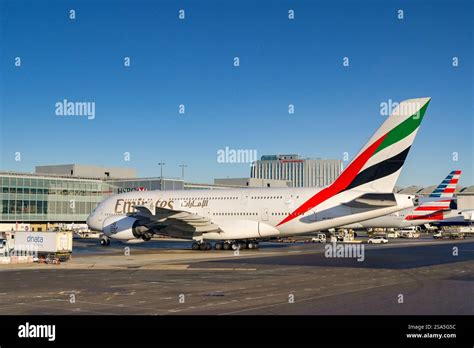
The United Kingdom Remains One Of Emirates’ Strongest Global Markets
London may dominate Emirates’ UK schedule, but it represents only part of an extensive nationwide network. During December, Emirates will operate flights to eight UK destinations through nine airport routes, creating one of the largest long-haul networks between Britain and the Middle East.
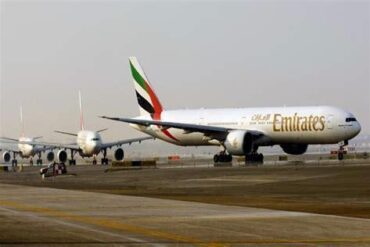
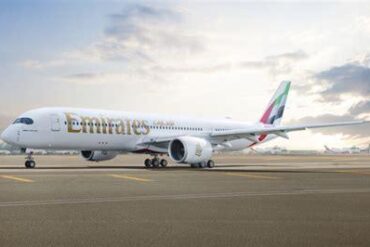
Five British airports receive regular Airbus A380 service, while the remaining destinations are served by Boeing 777-300ERs or the newer Airbus A350-900. Birmingham, Manchester, Glasgow, Heathrow, and Gatwick all benefit from Superjumbo operations, whereas Stansted, Newcastle, and Edinburgh continue receiving smaller widebody aircraft.
This diverse network allows Emirates to collect passengers from across the United Kingdom before channeling them through Dubai to destinations throughout Asia, Africa, Australia, and the Indian subcontinent. Instead of relying solely on London-origin traffic, the airline benefits from travelers throughout Britain using Dubai as a convenient global transfer hub.
Dubai’s Hub Continues Driving Network Efficiency
The expansion is closely tied to Emirates’ hub-and-spoke business model, which has remained central to the airline’s growth for decades. Every additional flight arriving from London feeds passengers into dozens of onward departures leaving Dubai within carefully coordinated connection windows.
That scheduling strategy allows Emirates to support nonstop services that might otherwise struggle with purely local demand. A passenger flying from Manchester to Bangkok, Glasgow to Sydney, or London to Auckland can all travel efficiently through Dubai using coordinated connection banks.
As more passengers return to long-haul international travel, restoring additional Airbus A380 capacity strengthens these connecting opportunities while improving operational efficiency across Emirates’ wider global network.
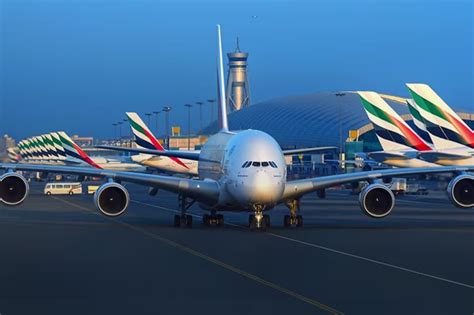
Why The Airbus A380 Still Makes Perfect Sense For London
While many airlines have gradually reduced Airbus A380 operations since the pandemic, Emirates continues proving that the aircraft remains exceptionally well suited for slot-constrained airports like Heathrow.
Every landing and departure slot at Heathrow carries enormous commercial value. Rather than seeking additional frequencies that may be impossible to obtain, airlines maximize each movement by deploying larger aircraft capable of transporting more passengers.
The Airbus A380 excels in precisely this environment. Its enormous seating capacity allows Emirates to carry significantly more travelers using the same number of valuable airport slots. For routes consistently generating strong demand, few aircraft can match its efficiency from an airport infrastructure perspective.
Passengers also continue favoring the aircraft thanks to its quieter cabin, spacious layout, premium lounges, onboard shower spa in First Class, and overall long-haul comfort compared with many smaller widebody aircraft.
Heathrow Remains The World’s Premier Airbus A380 Gateway
London Heathrow continues holding a unique position within global aviation as the world’s most diverse Airbus A380 airport. Six of the remaining A380 operators currently schedule regular services into Heathrow, making it one of the few airports where travelers can routinely see multiple Superjumbo airlines operating side by side.
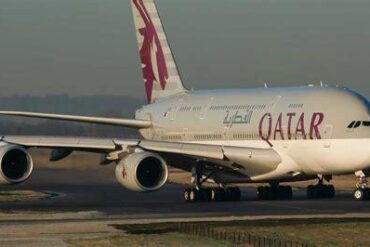
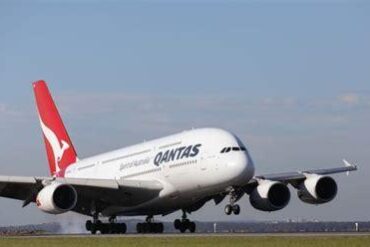
Alongside Emirates, Heathrow welcomes Airbus A380 flights from British Airways, Etihad Airways, Qatar Airways, Singapore Airlines, and Qantas. Historically, carriers including Malaysia Airlines, Korean Air, Asiana Airlines, and Thai Airways have also deployed the aircraft to Heathrow during various periods.
Although the worldwide Airbus A380 fleet is gradually shrinking as airlines modernize with newer twin-engine aircraft, Heathrow’s severe slot limitations continue creating an environment where the Superjumbo remains commercially attractive. Emirates, possessing by far the world’s largest A380 fleet, is expected to remain the aircraft’s most committed operator for many years.
Emirates Doubles Down On Its Most Important European Destination
Scheduling nine daily Airbus A380 flights across London sends a powerful message about Emirates’ confidence in future travel demand. Rather than treating the Airbus A380 as a legacy aircraft approaching retirement, the airline continues deploying it where its unique strengths generate maximum commercial value.
By expanding Gatwick’s A380 operations while maintaining Heathrow’s extensive Superjumbo schedule, Emirates will offer unprecedented capacity across the British capital during the busy winter travel season. Combined with its nationwide UK network and highly efficient Dubai hub, the strategy reinforces London’s status as the airline’s most important Airbus A380 market anywhere in the world.