The Airbus A380 was designed to shrink the world, not hop across it. Conceived as the ultimate long-haul aircraft, the double-deck superjumbo was optimized for dense, intercontinental routes linking global megahubs. Its enormous wingspan, four-engine configuration, and exceptional passenger capacity all point toward flights lasting many hours rather than minutes. Yet aviation history, as it often does, delivered a few delicious contradictions.
Across nearly two decades of commercial service, the A380 occasionally found itself deployed on routes so short they seemed almost absurd for an aircraft of its size. These were not publicity stunts or ferry flights, but scheduled commercial services, often driven by training requirements, capacity surges, or strategic network decisions. Using historical schedule data from Cirium, these flights reveal a side of the A380 that rarely gets attention.
What follows is a detailed exploration of the ten shortest Airbus A380 routes ever operated, ranked by distance, and examined in context. Each tells a story about airline strategy, regional demand, and the sheer flexibility of a jet built to dominate the skies.
Why Airlines Ever Flew the A380 on Ultra-Short Routes
Before diving into the rankings, it is worth understanding why airlines would commit such a massive aircraft to routes well under 1,000 miles. The reasons were rarely about efficiency alone. Crew training played a major role, allowing pilots and cabin crews to gain experience without tying up long-haul slots. In other cases, slot constraints at major airports made high-capacity aircraft attractive even on short sectors. There were also moments of extraordinary demand, where frequency mattered less than moving as many passengers as possible in a single wave.
Short A380 flights also offered operational advantages. Quick turnaround cycles, predictable weather, and proximity to maintenance bases reduced risk while still putting the aircraft to work. The result was a handful of routes that rewrote expectations.
Singapore Airlines and the Shortest A380 Flight Ever
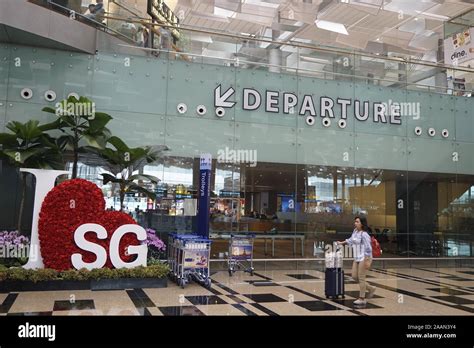
Singapore Airlines holds the undisputed record. In late 2021, the carrier deployed its Airbus A380 on the 184-mile route between Singapore Changi and Kuala Lumpur International, the shortest scheduled A380 flight in history. Operating daily from November 4 to December 3, the airline flew the superjumbo on this sector 30 times in each direction to absorb pent-up post-pandemic demand.
Block times dipped as low as 60 minutes, a stunning statistic for an aircraft capable of flying nonstop for more than 8,000 nautical miles. The route highlighted Singapore Airlines’ confidence in its upgraded A380 cabins, following an $850 million investment that introduced more space, privacy, and premium-focused design across all classes.
Paris to London and the Training Missions Over the Channel
Second place belongs to Air France and its 216-mile service between Paris Charles de Gaulle and London Heathrow. Operated on select dates between June and August 2010, these flights were primarily designed for A380 crew training, though passengers benefited from the rare chance to fly the superjumbo on a short hop.
The flight time barely exceeded an hour, yet it linked two of Europe’s most slot-constrained airports, demonstrating how capacity sometimes outweighs distance. Just one mile longer than the Singapore–Kuala Lumpur sector, it remains one of the most unusual A380 deployments in Western Europe.
Emirates and the Middle Eastern Short-Haul Giant
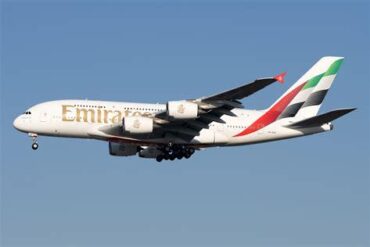
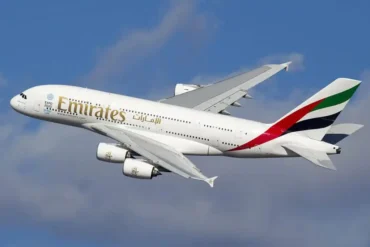
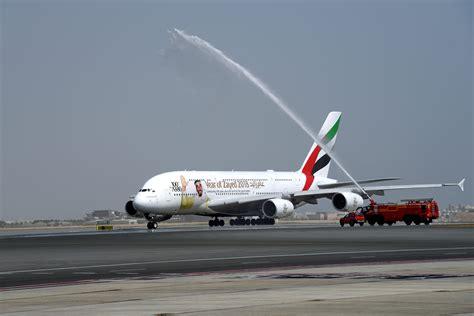
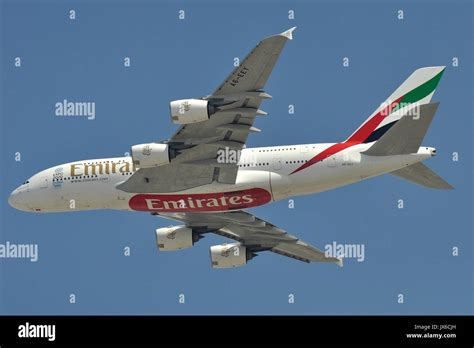
Only a single mile separates Air France’s route from Emirates’ 217-mile Dubai–Muscat service, which takes third place. Emirates has never been shy about using the A380 creatively, and this route was no exception. With block times of 65 to 70 minutes and airborne time occasionally under 40 minutes, the flight connected two key Gulf markets with extraordinary density.
Dubai’s proximity to several regional capitals made it fertile ground for short A380 routes. The airline’s vast fleet and operational confidence allowed it to rotate aircraft efficiently while maintaining premium-heavy cabin configurations.
Doha and Bahrain Round Out the Top Five
Fourth and fifth place remain with Emirates. The 235-mile route to Doha and the 303-mile flight to Bahrain further underline how the Gulf carrier leveraged the A380 for regional dominance. These flights balanced passenger demand with cargo capacity, while also ensuring high aircraft utilization from Dubai International Airport, the world’s busiest hub for international traffic.
European and Asian Short-Haul Oddities
British Airways appears in sixth place with its 408-mile London Heathrow–Frankfurt service, another route largely motivated by training needs and cargo demand. The flight connected two financial capitals and allowed BA to keep its A380 crews current without committing long-haul slots.
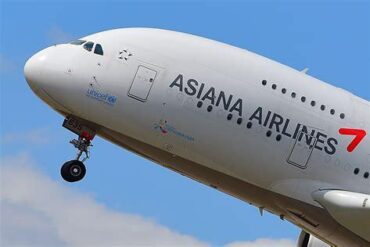
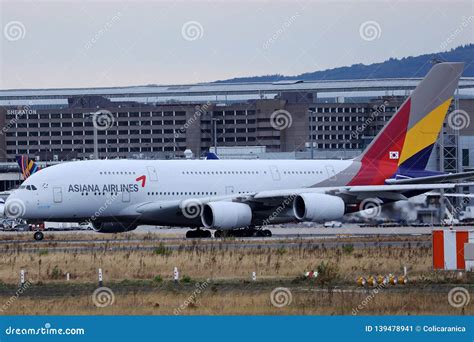
In seventh and ninth positions, Emirates reappears with Dubai–Kuwait (530 miles) and Dubai–Riyadh (543 miles). Sandwiched between them is Asiana Airlines’ 536-mile Seoul Incheon–Osaka Kansai route, operated briefly in 2024. These flights demonstrated how high-frequency regional corridors in Asia and the Middle East could sustain widebody capacity even on relatively short sectors.
China Southern Completes the Top Ten
Rounding out the list is China Southern Airlines with its 681-mile Beijing–Shanghai route, operated in 2011. Though longer than the others, it remains astonishingly short for an A380. The corridor linked China’s two most important aviation hubs and saw 24 flights in each direction, underscoring how domestic demand can justify extraordinary capacity choices.
What These Flights Reveal About the A380 Legacy
These ultra-short routes were never the A380’s core mission, yet they reveal its operational versatility and the creativity of airline planners. They also highlight a period when the industry believed that bigger was often better, even over distances traditionally served by narrowbodies.
Today, as fleets shrink and efficiency dominates planning, these flights feel like artifacts from a more experimental era of commercial aviation. Still, they remain a fascinating reminder that even the world’s largest passenger aircraft occasionally lived a very short-haul life.