Riyadh Air is entering the most important phase of its development as Saudi Arabia’s ambitious new national carrier transitions from preparation to full-scale commercial operations. After years of planning, fleet acquisitions, branding campaigns, and limited trial services, the airline is now preparing to welcome paying passengers aboard its own aircraft network. The milestone comes sooner than many expected, with Riyadh Air bringing forward the launch of its first official public route and unveiling an aggressive expansion strategy designed to rapidly establish Riyadh as a major international aviation hub.
The airline’s first fully public scheduled service will connect King Khalid International Airport in Riyadh (RUH) with London Heathrow Airport (LHR), one of the world’s most strategically important international gateways. The route represents much more than a new air service. It is the first tangible demonstration of Saudi Arabia’s wider Vision 2030 aviation ambitions and a critical test of whether Riyadh Air can transform extensive investment into sustainable operational success.
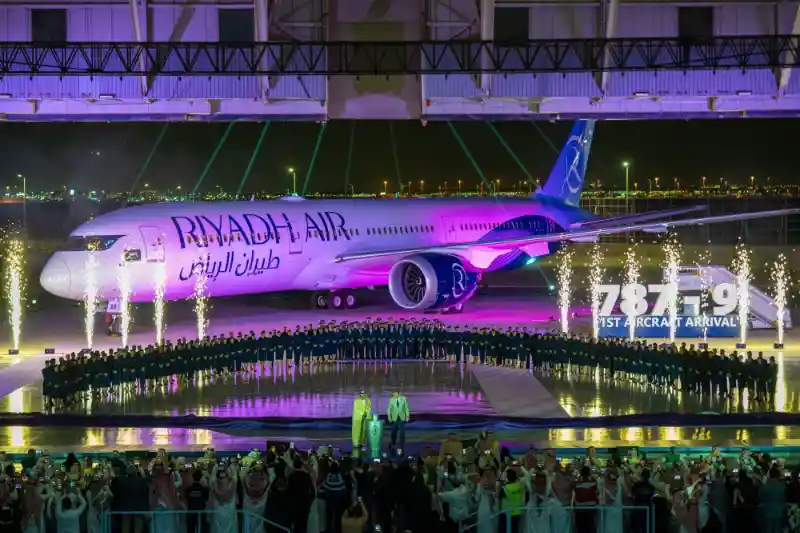
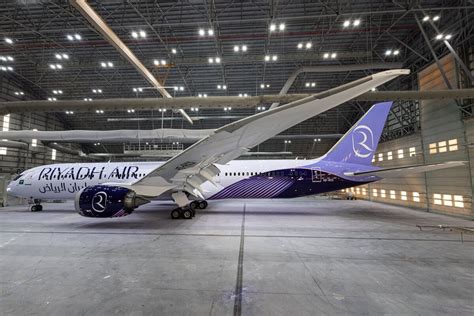
The launch follows the arrival of Riyadh Air’s first factory-fresh Boeing 787-9 Dreamliners, aircraft that will form the backbone of the carrier’s long-haul strategy. Their delivery marks the point where Riyadh Air can begin operating a network under its own identity rather than relying on transitional arrangements and demonstration flights.
London Heathrow Becomes Riyadh Air’s First Public Route
The airline’s inaugural public route will officially link Riyadh and London Heathrow beginning on June 10, significantly earlier than the previously anticipated July launch timeline. The accelerated schedule demonstrates confidence in operational readiness and signals the airline’s determination to establish momentum quickly.
Although the route is being marketed as Riyadh Air’s first public service, the airline already has experience operating between the two cities. Since October 2025, Riyadh Air has conducted flights on the sector using a leased Boeing 787-9 previously operated by Oman Air. Those services were part of the airline’s carefully controlled “Pathway to Perfect” program, a phased operational introduction designed to test systems, train crews, and refine customer service standards before opening sales to the broader public.
The transition from invitation-only operations to full commercial service is a major shift. It places Riyadh Air under the scrutiny of passengers, competitors, and industry observers who will be evaluating everything from punctuality and onboard service to connectivity and customer satisfaction.
The route will operate daily according to the following schedule:
- RX401: Riyadh to London Heathrow, departing 02:35 and arriving 07:30
- RX402: London Heathrow to Riyadh, departing 09:35 and arriving 18:05
These timings are strategically structured to maximize connectivity across Riyadh Air’s developing network while also offering convenient access to Heathrow’s extensive global connections.
Boeing 787 Dreamliners Form The Foundation Of Growth
The arrival of Riyadh Air’s first custom-configured Dreamliners is arguably the airline’s most significant milestone to date. Aircraft deliveries transform the carrier from a concept into a functioning airline capable of executing its long-term strategy.
The Boeing 787-9 offers several advantages that align closely with Riyadh Air’s ambitions. Its fuel efficiency, passenger comfort features, long-range capabilities, and operational flexibility make it ideal for connecting Riyadh with major markets across Europe, Asia, and beyond.
During the aircraft induction ceremony, CEO Tony Douglas emphasized the importance of combining technology, comfort, and Saudi hospitality into a premium travel experience. Riyadh Air has consistently positioned itself as a carrier that intends to compete at the upper end of the market, leveraging modern aircraft and service innovation to distinguish itself from established regional competitors.
The Dreamliner fleet is expected to become the cornerstone of Riyadh Air’s worldwide operations, enabling both long-haul expansion and the development of a robust hub-and-spoke model centered on Riyadh.
Five Additional Routes Arrive Within Weeks
While London may be attracting the headlines, Riyadh Air’s broader rollout is happening at remarkable speed. Within just weeks of the Heathrow launch, the airline plans to introduce five additional destinations, rapidly creating a diversified network spanning domestic, regional, and European markets.
The next phase includes services to Jeddah, Dubai, Cairo, Madrid, and Manchester, creating a six-destination network before the end of July.
Each destination serves a distinct strategic purpose. Jeddah strengthens domestic connectivity, Dubai targets one of the Gulf’s most important commercial and tourism markets, Cairo provides access to a major regional population center, while Madrid and Manchester extend Riyadh Air’s European footprint.
The expansion schedule highlights how aggressively the airline intends to build scale. Rather than introducing routes gradually over several years, Riyadh Air is attempting to establish network relevance almost immediately.
Jeddah Route Carries Significant Strategic Importance
Among the newly announced destinations, Jeddah stands out as perhaps the most strategically significant. Launching on June 14 with twice-daily flights, it becomes Riyadh Air’s first domestic route and inserts the carrier directly into one of the world’s busiest domestic aviation markets.
The Riyadh–Jeddah corridor has become a powerhouse route within global aviation. According to OAG data, it ranked as the fifth-busiest domestic route worldwide during 2025, offering approximately 9.8 million seats. Growth remains exceptionally strong, with capacity increasing 13% year-over-year and exceeding pre-pandemic levels by more than 22%.
Competition on the route is already intense, with Saudia, Flynas, and Flyadeal serving the market. Riyadh Air’s entry introduces a fourth major competitor and provides an early indication of how the airline intends to compete in high-demand sectors.
Success on this route will be important not only from a revenue perspective but also in establishing brand visibility among Saudi travelers.
European Expansion Strengthens Riyadh’s Hub Ambitions
The addition of Madrid and Manchester reveals another important aspect of Riyadh Air’s network strategy. Unlike heavily contested regional routes, both destinations currently lack nonstop connections to Riyadh, allowing the airline to create unique market opportunities.
These services are designed to do more than transport local passengers. They are intended to stimulate connecting traffic through Riyadh and support the city’s transformation into an international transit hub.
Manchester, in particular, strengthens Riyadh Air’s position in the United Kingdom beyond London Heathrow. Meanwhile, Madrid creates direct access between Saudi Arabia and one of Southern Europe’s largest capitals, potentially supporting tourism, business travel, and broader economic cooperation.
As additional routes come online, these early European destinations may become key components of a larger connecting network stretching across multiple continents.
Riyadh Air Plans 22 Destinations In Just Nine Months
Perhaps the most ambitious element of Riyadh Air’s rollout is its stated objective of connecting Riyadh with 22 destinations within the next nine months. For a newly launched airline still receiving its initial aircraft deliveries, the target reflects extraordinary confidence and significant financial backing.
The airline was never designed to be a niche operator. From the outset, Riyadh Air was conceived as a strategic national project intended to support Saudi Arabia’s economic diversification efforts, stimulate inbound tourism, attract foreign investment, and increase the kingdom’s role within global aviation.
Reaching 22 destinations would represent one of the fastest network expansions undertaken by a new full-service carrier in recent years.
Slot Filings Reveal Likely Future Destinations
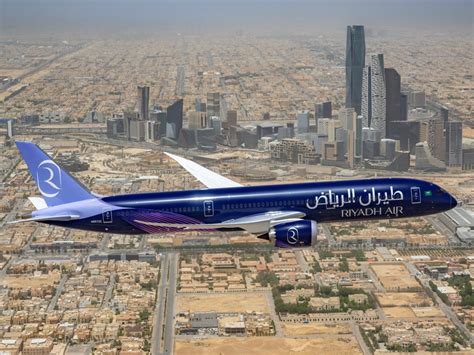
While not all future routes have been formally announced, slot filings provide valuable insight into Riyadh Air’s emerging network blueprint.
Several destinations appear to be strong candidates for launch during the coming months. These include Paris Charles de Gaulle, Amman, Islamabad, Lahore, Mumbai, Bangkok, Jakarta, Kuala Lumpur, and Manila.
The geographic pattern is revealing. Paris would add another major European capital and strengthen business connectivity. Amman deepens regional coverage. South Asian destinations such as Mumbai, Islamabad, and Lahore connect Riyadh with markets characterized by substantial labor, business, family, and religious travel demand.
Similarly, Southeast Asian cities including Manila, Jakarta, Kuala Lumpur, and Bangkok represent some of the most important passenger markets linked to Saudi Arabia. These routes may not always deliver the highest premium yields, but they provide the traffic volumes necessary to sustain a rapidly growing hub operation.
The strategy mirrors successful models employed by major Gulf carriers, which built global networks by combining premium long-haul traffic with substantial connecting passenger flows.
A Defining Moment For Saudi Arabia’s New Airline
The coming months will determine whether Riyadh Air can convert extraordinary ambition into lasting commercial success. The airline possesses many advantages, including strong government support, a modern fleet, substantial financial resources, and a strategic geographic location positioned between Europe, Asia, and Africa.
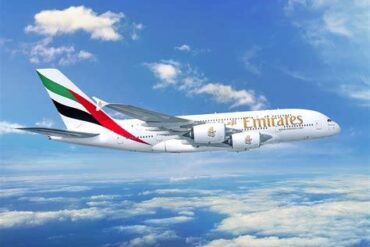
However, launching an airline is only the beginning. Maintaining operational reliability, attracting premium travelers, building customer loyalty, and competing against established carriers such as Emirates, Qatar Airways, Etihad Airways, Turkish Airlines, and Saudia will require flawless execution.
What is clear is that Riyadh Air is moving far faster than many observers anticipated. With London Heathrow launching ahead of schedule, five additional routes following almost immediately, and plans for 22 destinations within nine months, the airline is entering a decisive chapter. The next stage will reveal whether Riyadh can truly emerge as one of the world’s next great aviation hubs and whether Riyadh Air can become the flagship carrier capable of making that vision a reality.