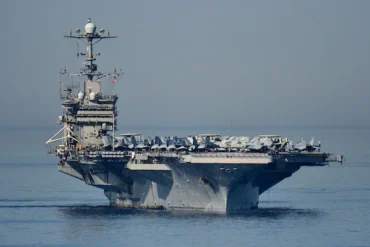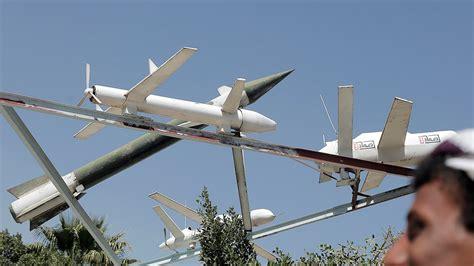
Since mid-March 2025, the United States military has endured a significant and costly series of equipment losses in and around Yemen, with seven MQ-9 Reaper drones going down and a multi-million-dollar F/A-18E Super Hornet plunging into the Red Sea. These incidents, occurring in a region already embroiled in escalating conflict, underscore both the intensity of the US air campaign and the strategic risk surrounding the Red Sea’s vital shipping lanes.
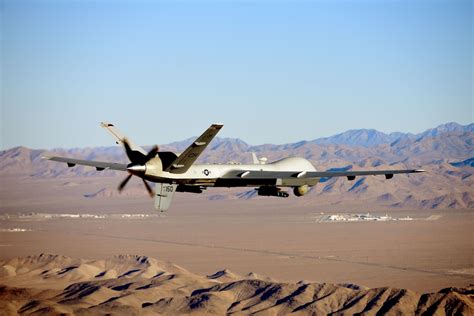
Escalation in the Yemen Theater: Reaper Drones Lost in Combat Zones
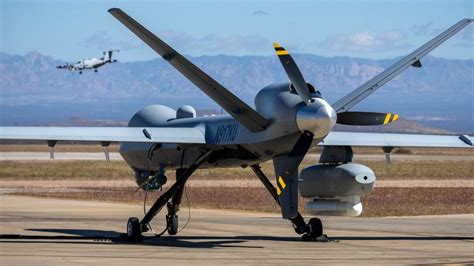
Since the air campaign’s intensification on March 15, the US has ramped up strikes against the Huthi rebels, a powerful Iran-backed group entrenched in northern Yemen. The MQ-9 Reaper drones, each costing an estimated $30 million, have played a central role in this campaign. Designed for high-end reconnaissance and precision strike capability, they have been instrumental in identifying and neutralizing Huthi military assets threatening global shipping routes.
According to an anonymous US defense official, the loss of these seven drones has not yet been fully explained. There has been no official disclosure on whether the aircraft were brought down by enemy fire, suffered technical failures, or fell victim to cyber or electronic warfare—though speculation in defense circles leans toward Huthi air defenses growing increasingly effective, likely with Iranian assistance.
This pattern suggests that the operational environment over Yemen is evolving rapidly. It no longer presents the permissive airspace that Reaper drones once dominated. As such, the United States now faces a growing challenge in maintaining aerial superiority over this critical region.
The Cost of Persistence: Billions at Stake
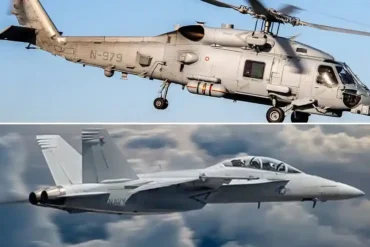
The MQ-9 Reaper—manufactured by General Atomics—is a workhorse of US drone operations across multiple conflict zones. Equipped with Hellfire missiles and advanced surveillance systems, each drone lost represents not just monetary loss, but also a depletion of aerial intelligence-gathering capacity. At $30 million per unit, the total estimated loss in drones alone since March exceeds $210 million.
The pattern of losses is also symbolic. It reflects the strategic trade-offs the US military is accepting in order to exert continued pressure on the Huthis. It reveals a commitment to protecting Red Sea shipping lanes—even at high operational costs.
Meanwhile, China, Russia, and Iran are all watching closely. The ability of the Huthis to shoot down or disable multiple Reapers may embolden other non-state actors and client militias operating in the gray zone warfare paradigm.
A Carrier Mishap Adds to the Toll: The F/A-18E Lost to the Sea
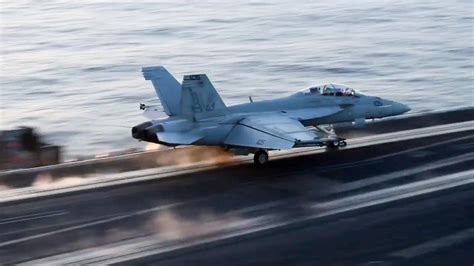
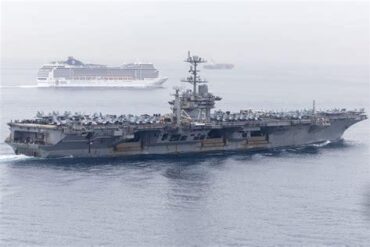
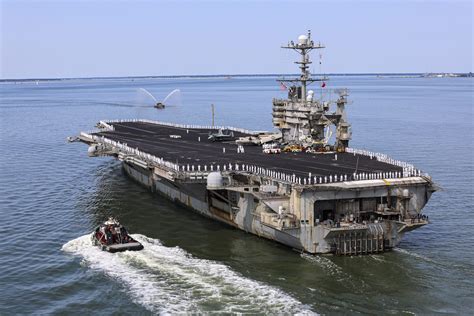
Further compounding the string of losses was a dramatic and costly incident aboard the USS Harry S. Truman, one of two US Navy aircraft carriers currently deployed in the Middle East. During what was supposed to be a routine towing operation inside the carrier’s hangar bay, an F/A-18E Super Hornet was lost overboard.
According to the US Navy, a tow tractor slipped and lost control of the aircraft, sending both the $67 million jet and the towing vehicle into the Red Sea. One sailor was injured, but no fatalities were reported. The mishap, while non-combat in nature, represents a significant logistical and financial setback, particularly in an active theater of operations.
Red Sea Under Siege: The Strategic Choke Point at Risk
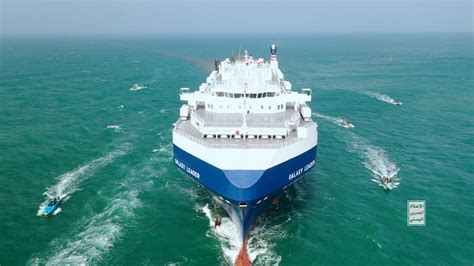
The Red Sea crisis has escalated markedly since late 2023, when the Huthis began targeting commercial and naval vessels, citing solidarity with Palestinians in Gaza after the October Hamas attacks on Israel. This campaign has effectively disrupted maritime traffic through the Suez Canal, which handles roughly 12% of global trade.
In response, US forces have carried out a relentless series of strikes. According to Central Command, more than 800 targets have been hit, with hundreds of Huthi fighters killed, including senior members of the group’s leadership. These numbers reflect one of the most sustained military operations by the US in the region since the withdrawal from Afghanistan.
The persistent US presence—backed by carrier groups like the Truman and its complement of strike aircraft—is intended to deter further aggression and protect commercial shipping. However, the intensity of operations also increases the likelihood of mechanical failure, human error, and the loss of valuable equipment, as evidenced by recent events.
Collateral Damage and Controversy: Civilian Deaths in Saada
Amid this military escalation, Huthi media outlets reported that US strikes recently hit a migrant detention center in Saada, the Huthi capital. The claimed toll—at least 68 dead—has raised serious concerns about civilian casualties, and is likely to inflame tensions further both in the region and internationally.
Such reports—whether independently verified or not—pose a risk to US diplomatic credibility, especially in a conflict already viewed by many international observers as deeply tied to broader geopolitical flashpoints like Gaza, Iran–Saudi tensions, and the global energy market.
The US military has not publicly confirmed the strike on the detention center. However, the incident underscores the hazards of targeting in asymmetric warfare, where military installations are often co-located with civilian infrastructure.
Operational Risk and the Evolving Threat Landscape
The high-tech advantage that defined American dominance in drone warfare over the last two decades appears increasingly vulnerable. As anti-air systems proliferate, and as adversaries adopt low-cost denial strategies, the survivability of even the most advanced unmanned systems is no longer guaranteed.
In the Yemeni theater, the Reaper’s losses reveal much about the adaptive capacity of the Huthis. The use of surface-to-air missiles, electronic warfare, and possibly even Iranian advisory support paints a picture of a group not just acting autonomously, but as part of a larger regional power play aimed at challenging US supremacy.
The Truman’s Legacy and the Risks of Carrier Operations
The USS Truman has now lost two F/A-18s in six months—one to an accident, and another reportedly downed in a friendly fire incident involving the USS Gettysburg late last year. Though both pilots survived that earlier mishap, it points to the intense operational tempo and complexity of managing air operations under pressure.
Carrier-based deployments are logistically immense undertakings. They demand tight coordination, precision, and constant maintenance to avoid accidents. But as the stakes grow in the Red Sea, so too does the margin for error. A single mechanical slip—such as the tow tractor failure that led to the latest Super Hornet loss—can have multi-million-dollar consequences and ripple effects across the mission chain.
Strategic Implications: Redefining Success in an Unforgiving Theater
The series of drone and aircraft losses begs a fundamental question: how sustainable is the current pace of US operations in Yemen and the Red Sea? While deterrence and freedom of navigation are essential strategic objectives, the human and material costs are escalating.
With over $277 million in hardware lost in less than two months, the Pentagon may face renewed pressure to adapt its approach. This could include deploying more survivable drone platforms, enhancing electronic warfare shielding, or reducing exposure through offshore surveillance assets.
The Biden administration, despite political headwinds, has signaled it will not pull back. Echoing a hardline stance, former President Donald Trump has vowed that the Huthis will be targeted “until they are no longer a threat to shipping.” This bipartisan commitment ensures that military operations will continue, even as the tactical and economic burdens mount.
Conclusion: An Expanding Shadow War in the Middle East
The loss of seven MQ-9 Reapers and an F/A-18E in such a short span is not just a headline—it is a clear signal of the complex, high-cost nature of modern warfare in contested airspace. It is also a sobering reminder that technological superiority alone is no longer sufficient.
As tensions rise, and the Red Sea remains a flashpoint in the global contest for influence, the United States is confronting the hard limits of power projection in a volatile and rapidly changing strategic environment.