The United States is poised to enact one of the most far-reaching immigration enforcement expansions in recent history, with a proposed travel ban targeting 36 additional countries, including Egypt, Tanzania, Zimbabwe, Dominica, Saint Lucia, and Bhutan. The initiative, revealed through a leaked State Department memo dated June 15, 2025, marks a dramatic escalation in border and visa policy enforcement, sparking outrage both domestically and internationally.
According to internal communications reviewed by The Washington Post, nations on the new list have 60 days to meet rigorous vetting, documentation, and cooperation standards. Failure to comply could lead to full or partial bans on their citizens entering the U.S., a move that mirrors and extends the controversial Trump-era immigration restrictions.
Reasons Behind the Expansion: Identity, Security, and Overstays
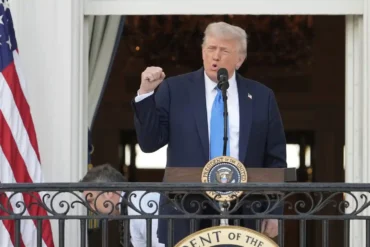
The rationale for the new bans, signed off by Secretary of State Marco Rubio, centers on a triad of issues: national security threats, unreliable identity documentation systems, and significant visa overstay rates. Some countries were flagged for selling citizenships without proper vetting, while others were criticized for failing to repatriate deported nationals.
The memo also highlights less overt motivations, including alleged anti-American or antisemitic sentiments tied to certain nationals, and resistance to signing “safe third country” agreements. These accords would require signatory nations to accept asylum seekers who passed through their territory en route to the United States.
The geopolitical spread of the affected countries suggests a deliberate pivot in immigration scrutiny. Unlike earlier bans that were regionally focused, this list encompasses nations from Africa, the Caribbean, Central Asia, and the Pacific.
Who Is Affected: Full List of Countries Under Review
The list includes 36 nations:
Africa (25 nations): Angola, Benin, Burkina Faso, Cabo Verde, Cameroon, Côte d’Ivoire, Democratic Republic of Congo, Djibouti, Egypt, Ethiopia, Gabon, Gambia, Ghana, Liberia, Malawi, Mauritania, Niger, Nigeria, Senegal, South Sudan, Sao Tome and Principe, Tanzania, Uganda, Zambia, Zimbabwe.
Caribbean (4 nations): Antigua and Barbuda, Dominica, Saint Kitts and Nevis, Saint Lucia.
Asia and Central Asia (2 nations): Bhutan, Kyrgyzstan.
Pacific Islands (5 nations): Cambodia, Tonga, Tuvalu, Vanuatu, and Syria — the latter already facing pre-existing travel sanctions.
This expansion builds upon the June 4 presidential proclamation, which reimposed full or partial travel bans on 20 countries, including Iran, Libya, Somalia, Yemen, and Cuba. The inclusion of new African and Caribbean states has intensified allegations of racial and geographic bias.
Protest Movements Reignite Across the U.S.
The announcement has ignited a fierce backlash, with civil rights organizations and immigrant communities staging mass protests nationwide. On June 14, 2025, more than 2,000 cities hosted coordinated rallies under the banner “No Kings,” echoing the resistance to President Trump’s 2017 travel ban.
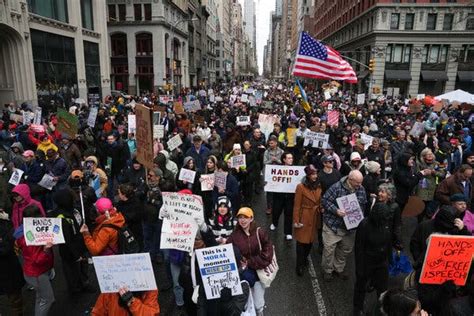
From New York and Los Angeles to Chicago and Philadelphia, demonstrators called out what they see as a racialized, exclusionary policy disproportionately affecting Black, Brown, and Muslim-majority nations. Placards reading “No Walls, No Bans” and “Immigrants Belong Here” returned to the streets, as memories of airport detentions and family separations from previous bans were stirred anew.
In cities such as San Francisco and Charlotte, religious leaders and community advocates led peaceful vigils, while heightened security was deployed in Los Angeles amid concerns over potential unrest. Despite the show of force, demonstrations remained largely peaceful.
Diplomatic Fallout: Strategic Allies Now in the Crosshairs
Beyond public reaction, the policy threatens to strain diplomatic relations with key U.S. allies. Egypt, a cornerstone of American foreign policy in the Middle East, finds itself on the list despite decades of security cooperation and economic partnership.
Ghana, Ethiopia, and Nigeria, which boast strong academic and business linkages with the U.S., now face uncertainty over the fate of their citizens studying or working abroad. Caribbean nations, highly dependent on American tourism and investment, may suffer severe economic setbacks if their nationals are barred from entry.

Several countries are reportedly weighing their response. Some may attempt to meet U.S. demands quietly to avoid public embarrassment, while others may issue retaliatory measures or appeal to international bodies.
Legal and Political Pushback Mounts
Legal scholars and advocacy groups warn that the administration is walking a dangerous legal tightrope. Critics argue that broad nationality-based bans echo the early Trump-era travel ban, which was initially struck down by multiple courts before being upheld in a modified form by the Supreme Court in 2018.
“This isn’t national security—it’s mass exclusion under a legal veneer,” said a former U.S. diplomat who requested anonymity. Civil liberties groups such as the ACLU and CAIR are already preparing lawsuits to challenge the policy, citing violations of constitutional and international human rights standards.
Democratic lawmakers have also begun drafting legislative proposals to curb executive power over immigration, hoping to avoid what they see as a return to discriminatory entry practices.
Strategic Timing and Political Optics
Observers note the timing of the announcement is no coincidence. With Trump’s 2024 campaign promise of reinstating and expanding the travel ban, the Biden administration—or elements within it—may be laying the groundwork for a centrist, security-first stance in advance of the 2026 midterm elections.
Indeed, the June 4 proclamation already banned or restricted travel from 20 countries, including Afghanistan, Myanmar, Laos, Venezuela, and Turkmenistan. The current proposal to expand the list to over 50 nations would cement one of the largest immigration crackdowns in modern U.S. history.

Potential Consequences for Travelers and Migrants
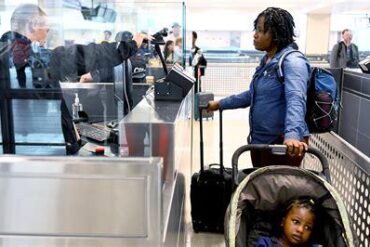
For those from affected nations, the implications are immediate and far-reaching. Visa applicants may face sudden rejections, long delays, or cancellations. Students, workers, and families with existing U.S. ties could find themselves in limbo, unsure whether their documentation will remain valid.
Dual nationals—particularly those holding passports from a listed country—face unique challenges, especially if they are caught between international obligations and domestic restrictions. Employers, universities, and families must now brace for uncertainty, as the U.S. government finalizes its review and implementation timeline.
A Wait-and-See Game: The 60-Day Deadline
The State Department memo sets a hard deadline of 60 days for affected nations to submit reform plans. These must demonstrate efforts to improve identity verification, repatriation cooperation, and visa policy integrity.
If the countries fail to show measurable progress, they risk being fully barred from sending nationals to the U.S.—a blow that could isolate them diplomatically and economically. The final enforcement framework is expected by mid-August 2025, unless halted by legal or legislative action.
For now, governments and travelers alike watch with unease, awaiting Washington’s next move. The balance between national security and immigration equity hangs in the balance—and the world is paying close attention.