In a significant move that has captured global attention, the United States, under former President Donald J. Trump, has reintroduced and expanded its travel ban, targeting citizens from a specific list of countries. This controversial decision, announced in July 2025, comes amid ongoing national security concerns and has left many individuals and families across the globe grappling with uncertainty and frustration. The U.S. Department of State and the Department of Homeland Security (DHS) have articulated that the reinstated executive travel restrictions focus on nations characterized by ‘significant terrorist threats, limited intelligence-sharing cooperation, or weak passport control systems.’ This updated list has reignited debates over immigration policy and the implications for international relations.
The countries currently affected by Trump’s travel ban, as of June 2025, include Iran, Syria, Yemen, Somalia, Libya, North Korea, Venezuela (specific government officials and their families), Nigeria, Eritrea, and Myanmar. Many of these nations were featured in earlier iterations of Trump’s travel ban during his presidency from 2017 to 2021. The present list mirrors much of the previous structure, with updates reflecting what the Trump administration and DHS claim are ‘renewed geopolitical and security threats.’
Understanding the Rationale Behind the Ban
The rationale provided by the White House for this travel ban is multi-faceted. The administration cites several key reasons for the inclusion of these countries:
- Terrorism-related threats: The U.S. government argues that these nations harbor groups or individuals that pose significant risks to national security.
- Failure to share criminal or security-related intelligence: Countries on the list have been accused of not cooperating adequately with U.S. intelligence agencies.
- Poor passport verification systems: Weak identity management practices in these countries contribute to security vulnerabilities.
- Foreign policy concerns: The administration expresses apprehension regarding regimes that exhibit limited diplomatic cooperation with the United States.
The DHS has emphasized that this decision was made following a comprehensive global security assessment conducted by intelligence agencies. Notably, countries were reportedly given opportunities to resolve compliance issues prior to their inclusion on the list. Despite these justifications, the move has sparked widespread backlash and raised questions about its broader implications.
The Impact on Global Citizens and U.S. Residents
The ramifications of the travel ban extend beyond mere visa restrictions; they affect millions of lives worldwide. The consequences can be categorized into several critical areas:
- Visa Suspensions: The most immediate impact is the suspension of both immigrant and non-immigrant visas for nationals from the banned countries. This includes:
- Tourist and business visas (B1/B2)
- Student visas (F1, J1)
- Family reunification and fiancé(e) visas (IR, CR, K1)
- Work permits (H1B, L1, etc.)
- Family Separation: The ban exacerbates the emotional strain on families with loved ones abroad. The U.S. Citizenship and Immigration Services (USCIS) has indicated that no new applications will be processed from citizens of banned countries unless they receive a national interest or humanitarian waiver.
- Impact on Students and Universities: American universities, especially those that attract high numbers of international students from affected countries, are likely to experience a significant decline in enrollment. In 2024, nearly 12,000 students from the banned nations were enrolled in U.S. educational institutions. The potential drop in enrollment could severely impact university funding and diversity.
- Business and Trade Implications: Companies that rely on international partnerships or workforce from the banned regions may face severe labor shortages and logistical delays. This is particularly concerning in sectors such as technology, healthcare, and engineering, where skilled labor is in high demand.
Criticism and Legal Reactions
The renewed travel ban has not gone unnoticed by civil rights organizations, which have vocally opposed the decision. Groups such as the American Civil Liberties Union (ACLU) and Human Rights Watch have labeled the ban as discriminatory and counterproductive. Several lawsuits are already being drafted, with some filed in U.S. district courts challenging the legality of the executive order.
In Congress, Democratic lawmakers have issued statements urging a review of the travel ban, asserting that it undermines American values and harms diplomatic relations with crucial regions. Conversely, Trump’s team has defended the policy, arguing that national security must take precedence, describing the ban as ‘targeted, legal, and protective of U.S. interests.’
Exceptions and Waivers
There are exceptions to the travel ban, according to the U.S. Department of State. These waivers may be granted under specific categories, such as:
- Humanitarian reasons: Individuals requiring urgent medical care may qualify for exemptions.
- National interest waivers: Certain cases deemed vital to U.S. interests may be considered.
- Dual nationals: Those using passports from non-banned countries may enter the U.S. without restrictions.
- Legal permanent residents: Green card holders residing in the U.S. are not affected by the ban.
However, the application process for these waivers is stringent and reviewed on a case-by-case basis, creating additional hurdles for those affected.
Global Reactions and Diplomatic Tensions
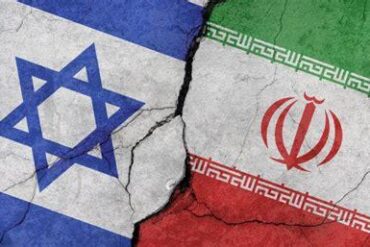
The reimplementation of the travel ban has triggered a wave of diplomatic tensions. Countries like Iran and Nigeria have publicly condemned the decision, even summoning U.S. ambassadors to express their concerns. Some nations are contemplating reciprocal measures that could impose restrictions on U.S. citizens and government officials traveling to their territories. The United Nations High Commissioner for Human Rights (UNHCR) has also voiced apprehension, indicating that blanket bans disproportionately affect innocent civilians and fail to address the root causes of terrorism.
The Human Impact Beneath the Headlines
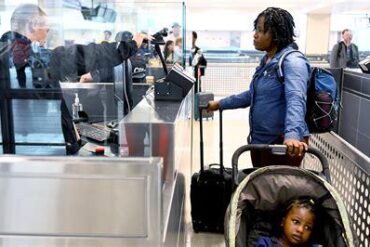
For the millions who travel, work, or study across borders, these policies extend far beyond mere geopolitics; they touch the very fabric of human lives. Consider the mother waiting to reunite with her son, the student who has received acceptance to an esteemed American university, or the professional presented with a life-changing opportunity — all of these individuals now face an uncertain future dictated by their nationality. While the Trump administration’s stance is couched in national security rhetoric, critics argue that such sweeping policies overlook the human nuance inherent in each visa application.
As legal challenges unfold and the global community remains attentive, there is a persistent hope that future travel and immigration policies will prioritize not only safety but also fairness, compassion, and an understanding of international relations. The situation remains fluid, and the world watches closely as this narrative continues to evolve.