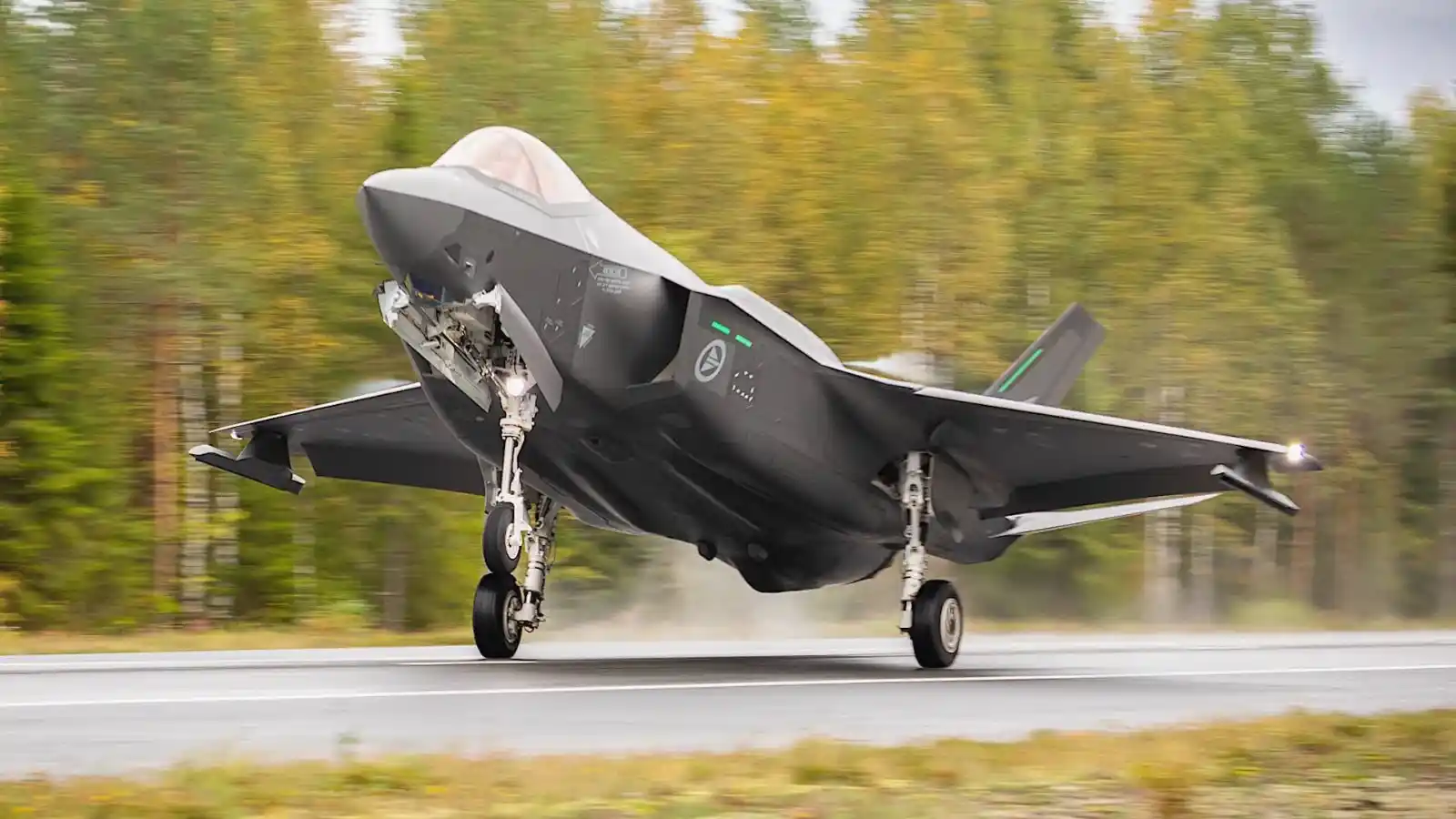
In recent years, Finland’s defense policy has undergone a decisive transformation. At the heart of this evolution lies the country’s procurement of 64 F-35A Lightning II stealth fighters, marking a new era in Finnish airpower and regional deterrence capabilities. This development is not just a military upgrade—it signals a deliberate strategic alignment with NATO doctrines and a sharper military posture against a resurgent Russia.
Finland’s F-35 Acquisition and Deployment Plan
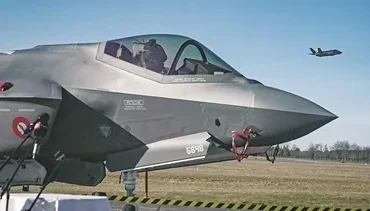
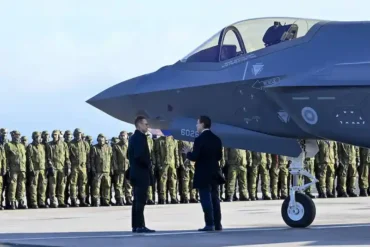
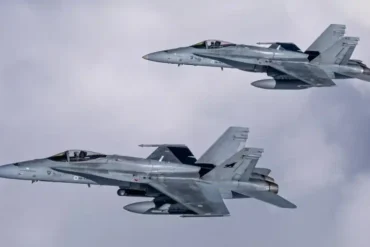
The “HX Fighter Program”, initiated in 2021, was Finland’s largest defense procurement in its history. After a rigorous evaluation process involving five potential aircraft systems, Finland selected the Lockheed Martin F-35A to replace its aging fleet of F/A-18 Hornets. The decision underscores a strategic emphasis on stealth, advanced sensors, and network-centric warfare—key attributes of fifth-generation air superiority platforms.
The finalized deal is worth $9.4 billion USD, encompassing not just aircraft, but also weapons systems, training, sustainment infrastructure, and logistical support. The first F-35A unit began production in late 2024, with initial deliveries expected in 2026. Operational deployment will start from two key northern bases:
- Rovaniemi Air Base
- Kuopio-Rissala Air Base
By 2030, Finland aims to achieve full operational capability with all 64 aircraft.
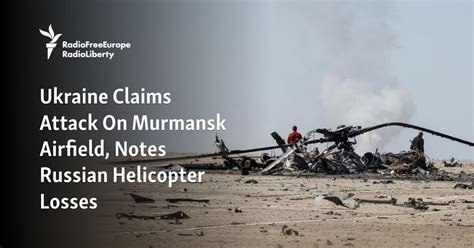
These northern bases were selected deliberately. Their geographic positioning offers immediate access to the Russian Arctic, Kola Peninsula, and critical strategic sites such as Murmansk—home to the Northern Fleet’s nuclear submarine base—and the St. Petersburg military-industrial complex. This reflects Finland’s forward-leaning strategy of deterrence, which integrates pre-emptive threat visibility with deep strike potential.
Highway Operations: Operational Flexibility in Northern Europe
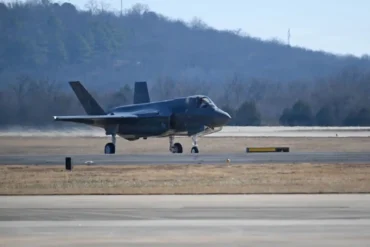
On September 4, 2024, two U.S. Air Force F-35As conducted an unprecedented landing on the Hosiio Highway near Ranua, Finland. This marked the first-ever F-35 highway landing in Europe, executed as part of NATO’s BAANA 2024 exercise. The symbolic and tactical value of this maneuver cannot be overstated.
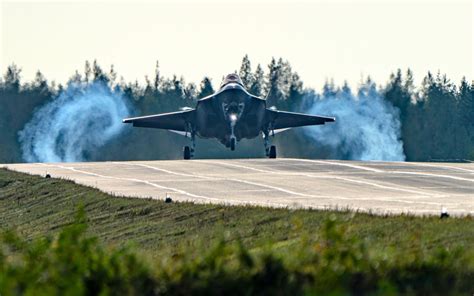
The drill validated the Agile Combat Employment (ACE) strategy, designed to enhance survivability and dispersion of combat assets in high-threat environments. Instead of relying solely on vulnerable fixed airbases, ACE enables aircraft to operate from highways, temporary runways, or austere forward locations.
This doctrine has three primary goals:
- Reduce the risk of concentrated airbase attacks, especially from cruise or ballistic missiles
- Complicate enemy targeting algorithms through unpredictable aircraft dispersal
- Sustain air operations despite infrastructure losses during early-phase conflicts
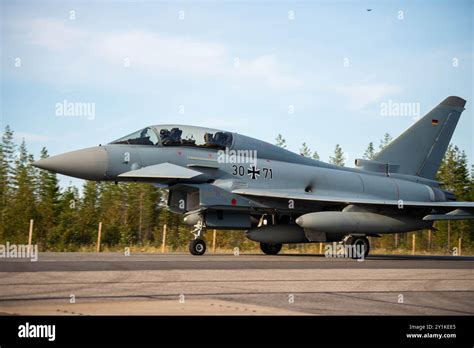
Importantly, this exercise was not an isolated event. It involved deep coordination with Nordic partners, including German Eurofighter Typhoons and Finland’s own BAE Hawk trainer jets, reinforcing regional interoperability within the NATO framework. Since joining NATO in April 2023, Finland has rapidly integrated its defense posture with that of its Western allies.
This effort was further cemented in June 2024, when U.S. and Finnish pilots conducted “1v1 air dominance drills”, simulating dogfight scenarios with live tactics and digital kill assessments. These exercises refined joint command structures, sensor fusion, and Rules of Engagement (RoE) protocols applicable to Baltic and Arctic theaters.
Geopolitical Implications for Russia and the Baltic Region
Finland’s adoption of the F-35A Lightning II has transformed the regional military equation, placing Russia under immediate aerial pressure from a previously neutral neighbor. This dynamic shift is underpinned by several factors:
Geographic Proximity: Finland’s bases lie merely 300 kilometers from St. Petersburg, placing Russia’s Western Military District HQ, naval assets, and strategic depots within operational range of Finnish F-35s.
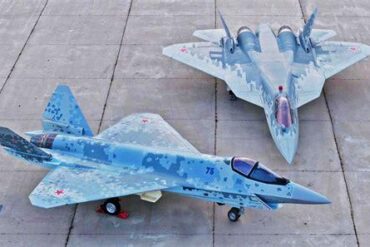
Stealth Penetration Capabilities: The F-35’s low radar cross-section, sensor fusion, and network-centric architecture allow it to penetrate advanced Russian air defense zones like the S-400 and S-500 systems, especially in northern Russia where terrain and electromagnetic clutter are advantageous to stealth operations.
Alliance Amplification: As Poland and Finland concurrently receive F-35s, NATO achieves a strategic envelopment arc that stretches from the Baltic Sea to the Black Sea. Russia’s Kaliningrad exclave, Belarus, and northwestern border face overlapping surveillance and strike threats—a multi-vector pressure strategy rarely seen in Cold War scenarios.
Psychological Deterrence: The F-35 is not just a weapons platform but a political signal of NATO’s technological dominance. Its presence in Finland marks a psychological deterrent, reinforcing the perception of Western resolve and strategic readiness in defending the alliance’s northeastern flank.
North European Doctrine: Dispersed Warfare and Arctic Integration
The Nordic defense model has long embraced highway-based air operations, dating back to Cold War doctrines when Finland and Sweden anticipated airbase targeting from the Soviet Union. What distinguishes today’s efforts is the integration of NATO ISR assets, shared data links (Link-16, MADL), and the combined operational planning platforms now accessible to Finnish commanders.
Finland’s F-35 fleet will also serve as Arctic theater enablers, leveraging infrared search and track (IRST) capabilities, Distributed Aperture Systems (DAS), and multi-domain situational awareness to operate in GPS-denied, low-visibility conditions. As climate change opens Arctic sea lanes, the region becomes a theater of increasing competition between NATO and Russia. Finland’s stealth fighters will be central to any early-warning and rapid-intervention strategy in this domain.
Additionally, Finland is likely to integrate JASSM-ER (Joint Air-to-Surface Standoff Missiles – Extended Range) and GBU-53/B StormBreaker precision-guided bombs, reinforcing the F-35’s role as a deep-strike platform capable of suppressing enemy air defenses (SEAD) in Kaliningrad, Belarus, and Murmansk corridors.
Conclusion: Finland as NATO’s Arctic Vanguard
Finland’s F-35 acquisition transcends mere modernization—it reflects a comprehensive strategic shift aligning with NATO’s forward defense philosophy. With its proximity to Russian high-value targets, interoperability with alliance forces, and the adoption of cutting-edge dispersed warfare doctrines, Finland is no longer a buffer state but an active NATO frontline power.
Its embrace of the F-35 network—unparalleled in sensor integration, survivability, and strike agility—transforms Finnish airpower into a regional deterrent, a tool for coercive diplomacy, and a critical pillar of Baltic Sea strategic stability. The evolving Baltic-Arctic nexus will be shaped, in large part, by how effectively Finland wields this fifth-generation capability in the years ahead.
FAQs
Why did Finland choose the F-35 over other fighter jets?
Finland selected the F-35 after a thorough evaluation under the HX Fighter Program. Key reasons included the aircraft’s stealth capabilities, advanced sensor fusion, interoperability with NATO, and long-term cost-effectiveness. Its ability to deliver intelligence, surveillance, and reconnaissance (ISR) along with deep-strike precision was decisive.
What makes highway landings significant for F-35 operations in Finland?
Highway landings enhance the Finnish Air Force’s survivability during wartime scenarios. By using dispersed runways, such as highways, Finland can continue air operations even if primary bases are destroyed. It also aligns with NATO’s Agile Combat Employment doctrine, ensuring resilience and unpredictability against adversaries like Russia.
How does the F-35 deployment affect Russia’s military posture?
The deployment places northern Russian facilities within the F-35’s operational reach, especially strategic hubs like Murmansk and St. Petersburg. Russia now faces multi-directional surveillance and strike threats from NATO members, requiring it to redistribute resources, harden defenses, and reassess its force posture along the northwest frontier.