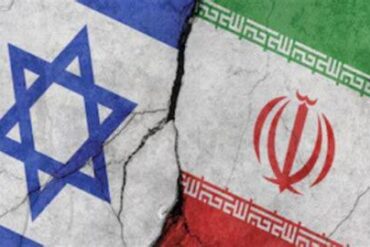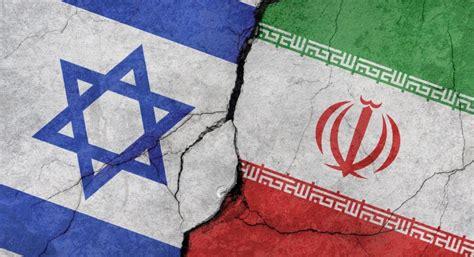
The escalating conflict between Israel and Iran has triggered a chain reaction that is reshaping international travel patterns, particularly on major routes such as Mumbai to New York, London, and Toronto. With missile strikes exchanged between the two nations, and heightened military operations across the region, global travel has entered a period of significant turbulence. Airlines, passengers, and the tourism industry at large are grappling with disruptions that underscore the fragile intersection of geopolitics and global mobility.
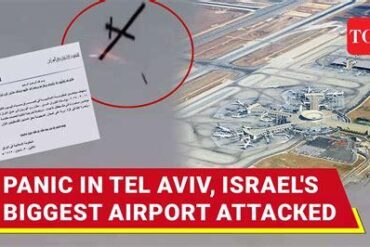
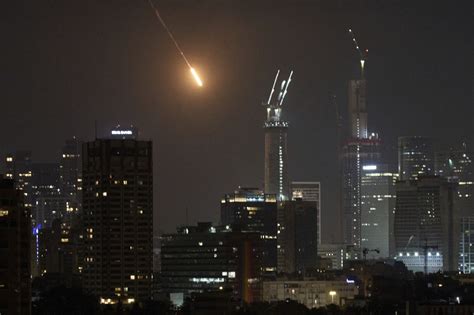
The recent intensification began when Israel launched Operation Rising Lion, a sweeping airstrike targeting Iran’s nuclear infrastructure and military leadership. The attack resulted in the deaths of at least 78 individuals, including senior military officials and nuclear scientists. In response, Iran unleashed a barrage of ballistic missiles at Israeli territory, activating air raid sirens and defensive measures across Israeli cities.
Flight Disruptions Ripple Across Global Hubs
These military actions have had immediate consequences for air travel, particularly for airlines that operate routes connecting Mumbai, New York, London, and Toronto. The closure and restriction of airspace over parts of the Middle East have compelled airlines to reroute or cancel flights, leading to extended journey times, unexpected stopovers, and passenger frustration.
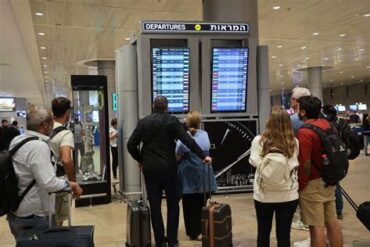
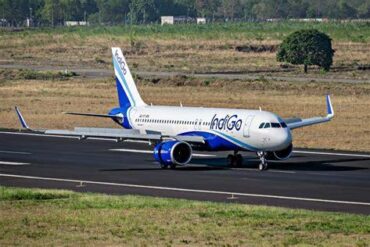
Air India, a major carrier for these international routes, has faced significant operational challenges. Several of its flights, including AI130 from London Heathrow to Mumbai, AI102 from New York to Delhi, and AI119 from Mumbai to New York, were either diverted mid-flight or forced to return to their points of origin. Passengers found themselves landing in cities like Vienna, Sharjah, and Jeddah, far from their planned destinations, and scrambling for alternative connections. The domino effect of these diversions means increased congestion at alternate airports and logistical strain on ground services.

The Domino Effect on Global Airspace and Scheduling
The Middle East functions as a critical artery for international aviation, and its destabilization has forced a recalibration of global air traffic. Airlines that once relied on the efficiency of Middle Eastern air corridors must now chart longer and costlier paths, increasing fuel consumption and operational expenses. These reroutings not only inflate ticket prices but also place pressure on flight crews, maintenance schedules, and airport capacity.
For travelers flying between Mumbai and major Western cities, this means longer hours in the air, reduced availability of direct flights, and greater uncertainty. Business travelers, in particular, are feeling the impact as delays cascade into missed meetings and disrupted itineraries. The ripple effects extend to cargo transport as well, with vital supply chains slowed down by detours and delays.
Tourism and Economic Fallout in Affected Regions
The security risks posed by the Israel-Iran conflict are reshaping tourism flows. Israel, which attracts millions of visitors annually to Jerusalem, Tel Aviv, and other historic sites, is witnessing an abrupt halt in tourist arrivals. Iran, rich in cultural heritage and ancient architecture, is similarly seeing cancellations as travelers shun destinations perceived as unsafe.
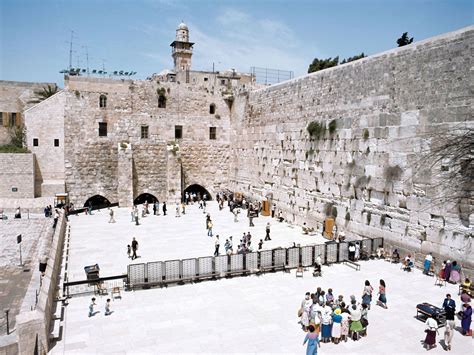
This decline in tourism revenue adds another layer of economic strain to countries already grappling with geopolitical crises. Hotels, tour operators, and small businesses dependent on international visitors face mounting losses, while governments may need to provide support to prevent industry collapse.
Strategic Responses from Airlines and Governments
In response to the crisis, airlines are enhancing real-time communication with passengers, offering flexible rebooking options, and coordinating with governments for contingency planning. Air India and other carriers are working closely with aviation authorities to monitor airspace safety and adjust flight paths as needed.
Governments, meanwhile, have updated travel advisories, urging citizens to reconsider travel to conflict zones and neighboring regions. Nations with large diaspora communities, such as the United States, Canada, and the UK, are also preparing emergency assistance plans for nationals who may be stranded or affected by the crisis.
The Long-Term Implications for Global Travel
The current Middle East crisis serves as a stark reminder of how vulnerable international travel remains to geopolitical events. Airlines are likely to revisit their risk assessment protocols, invest in more flexible route planning technologies, and engage in greater coordination with global security agencies. The need for diversified air corridors that can absorb the shock of regional disruptions is becoming more apparent.
For travelers, heightened vigilance will be crucial. Monitoring government advisories, purchasing travel insurance that covers conflict-related disruptions, and maintaining flexible itineraries are increasingly necessary precautions in an unpredictable world.
Conclusion: Navigating Uncertain Skies
The Israel-Iran conflict has set off a domino effect that stretches far beyond the Middle East, impacting travelers and airlines from Mumbai to New York, London, and Toronto. As missile strikes darken the skies over the region, the global travel industry is forced to navigate the uncertainties of disrupted routes, stranded passengers, and volatile markets. The coming months will test the resilience and adaptability of airlines and travelers alike, as the world watches and waits for stability to return.