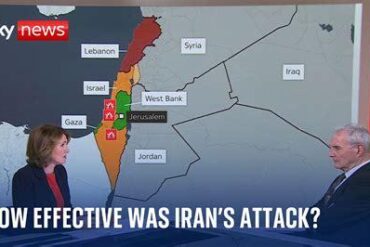
The ongoing Iran-Israel conflict has cast a significant shadow over air travel between India and the United States. Despite a declared ceasefire, airline executives have revealed that many international carriers remain cautious about their flight schedules and frequencies, especially concerning routes linking the US and India. As geopolitical tensions shift and airspace closures continue, the landscape of air travel between these two nations is facing unprecedented disruptions.
On June 23, several Middle Eastern nations temporarily closed their airspace following an attack on the Al Udeid US military base in Doha, Qatar, attributed to Iran. This sudden escalation forced airlines to swiftly adjust their flight plans, leading to cancellations and rerouting of numerous routes. Although a ceasefire has been announced, the impact on global air travel—particularly on routes to and from India—persists, as airlines grapple with uncertainty regarding the safety and feasibility of traversing certain regions.
Airline Suspension of Middle East Routes and Airspace Closures
Major carriers such as American Airlines, United Airlines, Delta Airlines, Air Canada, and Lufthansa have all suspended or rerouted flights to the Middle East as a direct response to the conflict. These airlines have extended their service suspensions in light of heightened security concerns. Additionally, several carriers, including Lufthansa, Swiss, Emirates, American Airlines, Air France, and British Airways, have avoided flying over Pakistan since April 2025, following escalated tensions between India and Pakistan. The culmination of these airspace closures has left many airlines reevaluating their routes to India, particularly those originating from North America.
With multiple airspace restrictions imposed by both the Middle East and Pakistan, airlines find it increasingly challenging to maintain direct, cost-effective, and safe routes between the US and India. Travelers planning to fly from the US to India or vice versa are urged to stay informed about potential flight changes, delays, and cancellations, as air routes remain vulnerable to the dynamic geopolitical situation.
Impact on US-India Air Travel and Airline Strategy
The disruption in US-India air travel comes amidst significant challenges that airlines have encountered over the past few months. Since April 2025, travel between the US, Canada, and India has been marked by uncertainty due to the closure of Pakistani airspace following a terror attack. Now, with various Middle Eastern nations also closing their airspace, carriers are reassessing their routes to circumvent these regions altogether. Industry experts predict that many airlines will likely reroute flights around the affected areas, particularly given the unpredictable nature of airspace closures and the likelihood of additional disruptions.
However, rerouting flights to avoid the Middle East or Pakistan could result in longer travel times, increased fuel costs, and elevated ticket prices, further complicating the travel experience for passengers. As the geopolitical landscape evolves, airlines must adapt to these new realities while striving to meet passenger expectations and safety requirements.

Continued Uncertainty for Travelers
For passengers, the uncertainty stemming from these geopolitical tensions is frustrating. Travel plans are increasingly disrupted, with many individuals facing flight cancellations or significant delays as airlines modify their schedules. Reports indicate that some travelers are experiencing difficulties securing refunds or alternative flights, particularly if their bookings involved routes traversing affected airspaces. As tensions persist, the risk of further cancellations or reroutes remains pronounced.
The US Department of Transportation (DOT) and the Federal Aviation Administration (FAA) are closely monitoring the situation and providing updates and guidance for both airlines and travelers. The DOT has issued travel advisories for flights crossing the Middle East and South Asia, urging airlines to regularly review flight plans and prioritize passenger safety. Simultaneously, the FAA has released guidelines regarding airspace closures and recommended alternate routes for commercial carriers operating in the region.
Strategies for Airlines to Mitigate Disruptions
In response to the ongoing disruptions, airlines are implementing a range of proactive measures. Some carriers are enhancing communication with passengers to provide real-time updates regarding potential cancellations or delays. Others are introducing flexible booking options, enabling passengers to modify their travel dates without incurring penalties if their flights are affected by airspace closures.
To accommodate changes in demand and ensure travelers can reach their destinations safely, some airlines are adjusting flight frequencies. For example, United Airlines has announced the temporary suspension of specific flights to the Middle East while simultaneously increasing services on routes that bypass the affected areas, thereby offering passengers more options for travel. American Airlines has adopted similar strategies, focusing on routes that steer clear of airspace over Pakistan and the Middle East. The airline has also collaborated closely with airport authorities in India to adjust flight schedules, aiming to maintain a seamless travel experience for passengers despite the challenges posed by regional conflicts.
Looking Ahead: Will Air Travel Between the US and India Return to Normal?
As the situation in the Middle East remains fluid, the future of US-India air travel hangs in the balance. While the ceasefire between Iran and Israel has provided some temporary relief, airlines continue to grapple with the ramifications of the conflict and ongoing airspace closures. Geopolitical tensions in the region pose continued risks to the global aviation industry, and it may take months before normal flight operations between India and North America are fully restored.
For the time being, travelers are encouraged to monitor government updates and verify the latest information on flight schedules with airlines. Given the persistent geopolitical uncertainty, it is likely that travelers will need to remain flexible in their plans and prepare for potential delays or rerouting in the weeks and months ahead.
Conclusion: Navigating the Uncertainty of Air Travel Between India and the US
The Iran-Israel conflict has highlighted the fragility of air travel routes in regions impacted by geopolitical tensions. The closure of airspace in the Middle East, coupled with ongoing conflicts between India and Pakistan, has created a challenging environment for airlines operating between the US and India. While the ceasefire has provided a temporary reprieve, broader uncertainties continue to disrupt flight schedules and air travel frequencies. Travelers should stay informed about these disruptions and plan accordingly, keeping a close watch on updates from airlines and official government sources. As tensions ease and airspace restrictions begin to lift, airlines are expected to gradually restore full services. However, for the moment, travelers should brace for continued disruptions and remain adaptable in their travel plans.