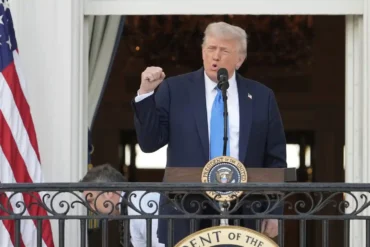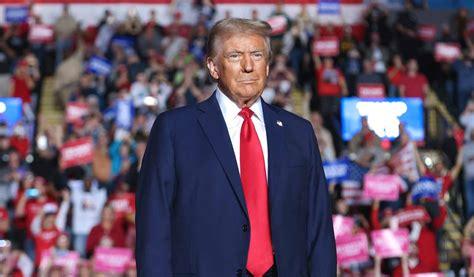
The reintroduction of a travel ban by former President Donald Trump in 2025 has sparked widespread confusion, fear, and disruption across the American higher education system. With a sweeping executive order signed during his return to the Oval Office, Trump has barred entry into the United States for citizens from seven Muslim-majority nations, citing national security concerns. However, the fallout from this renewed policy is rippling far beyond its intended targets—affecting thousands of international students, crippling academic mobility, and stirring deep anxieties among university administrators.
The ban, officially titled the Presidential Proclamation on Protecting the Nation from Foreign Terrorist Entry, took immediate effect on February 15, 2025, and left no grace period for individuals mid-journey or awaiting visa renewal. Affected countries include Iran, Iraq, Syria, Libya, Yemen, Somalia, and Sudan—a list reminiscent of the original 2017 order.
Campus Chaos and Student Displacement
At campuses from NYU to UCLA, the human cost of the policy became instantly visible. International students—some of whom had stepped out of the country briefly for holidays, conferences, or family emergencies—found themselves stranded abroad, unable to return. Others already in the U.S. are now afraid to leave, even temporarily, for fear of being locked out of their education.
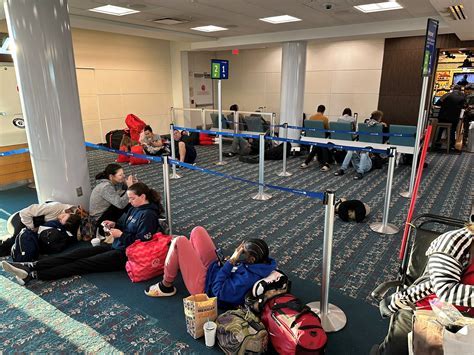
University of Michigan reported over 120 affected students across undergraduate and graduate programs. One Iranian Ph.D. candidate in electrical engineering, who wished to remain anonymous, shared: “I went home in January to see my mother before the new semester. I was boarding my flight back when I was told I was no longer eligible to return. My thesis, my lab work, my advisor—all of that is now suspended.”
Institutions are scrambling to address the fallout. Emergency legal aid, remote learning options, and housing assistance for those stuck in limbo have become top priorities. But even the most proactive efforts are insufficient against a policy that denies entry outright.
Academic Institutions in Legal and Ethical Limbo
Universities are not only confronting a humanitarian crisis but are also being drawn into complex legal and diplomatic entanglements. Legal scholars argue that this version of the ban may be harder to challenge than its 2017 counterpart. Trump’s new executive order was crafted with legal resilience in mind, using language vetted by a cadre of advisors familiar with the pitfalls of past litigation.
Several universities, including Harvard, Stanford, and Georgetown, have filed amicus briefs supporting legal challenges against the ban. But the courts have yet to intervene, and the Department of Homeland Security has already begun enforcing deportation orders for visa holders from banned countries who remain in the U.S. under expired or unrenewable statuses.
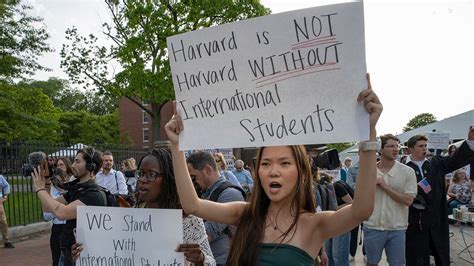
Administrators are caught in a storm of conflicting responsibilities—balancing legal obligations, public relations, and student welfare. The American Council on Education (ACE) issued a strongly worded statement condemning the move: “This policy undermines the foundation of international education and academic collaboration. It is antithetical to the values of intellectual freedom and inclusion that define American higher education.”
Mental Health Toll and Campus Climate Shift
The emotional impact of the 2025 travel ban cannot be overstated. Counseling centers have reported a significant spike in anxiety, depression, and isolation among international students—particularly those from Muslim-majority countries, even those not directly affected by the ban.
A study conducted by the Institute of International Education (IIE) found that 63% of affected students reported feeling “unwelcome and unsafe” in the U.S., with many considering transferring to universities in Canada, the UK, or Australia. The fear of surveillance, racial profiling, and abrupt removal from the country has created an atmosphere of distrust on campuses that once celebrated diversity.
At Columbia University, a student-led initiative called “We Belong Here” organized safe spaces, storytelling sessions, and community dinners to provide support. However, student activists argue these gestures are not enough: “We need protection, not just compassion,” said Fatima Al-Hadi, a Yemeni-American student organizer.

Enrollment Trends and the Global Reputation of U.S. Education
The long-term implications for American universities are profound. International students contributed $38 billion to the U.S. economy in 2024, according to data from NAFSA: Association of International Educators. With the travel ban in place, application rates from the seven targeted nations have already dropped by over 45% in Spring 2025.
Recruitment efforts in neighboring regions—such as Pakistan, Bangladesh, and Turkey—are also suffering due to perceived hostility toward Muslim communities. Admissions counselors are reporting fewer inquiries and reduced attendance at overseas education fairs.
Several universities are already scaling back international scholarships and cutting staff in global outreach departments. Smaller colleges that rely heavily on full-tuition-paying international students are facing budget deficits, forcing them to reassess programs and staffing for Fall 2025.
State Responses and Political Divides
State-level responses to the federal action have varied drastically. California, New York, and Massachusetts have all launched parallel efforts to support students, including emergency legal clinics, tuition freezes, and state-funded grants to those displaced by the ban. California Governor Gavin Newsom labeled the order “a federal overreach that sabotages our universities and disrespects our shared humanity.”
In contrast, conservative-led states like Texas and Florida have largely supported the move, arguing that national security must take precedence over academic concerns. This political divide is intensifying tensions within national education associations and between public university systems that receive federal funding.
International Partnerships and Academic Isolation
Global academic collaborations are beginning to unravel. Joint degree programs, exchange partnerships, and cross-border research initiatives involving scholars from banned countries are being frozen or canceled. Institutions in Europe and Asia are rethinking agreements with American universities due to concerns about reliability and access.
The Erasmus+ program in the EU has downgraded the status of its U.S. partnerships pending further review. Meanwhile, China’s Ministry of Education issued a travel advisory to students considering American institutions, warning of “increased risks of racial and political targeting.”
Legal Challenges and Hope for Reversal
Civil rights groups, including the ACLU and CAIR, have filed lawsuits arguing that the ban violates constitutional protections under the First and Fifth Amendments, as well as federal immigration law. Legal scholars believe the Supreme Court’s current 6–3 conservative majority will make judicial reversal difficult, though not impossible.
Legislatively, some Democrats in Congress are pushing for a Freedom to Study Act, which seeks to protect international student rights and limit executive authority in visa revocation without Congressional oversight. However, the bill remains stalled in committee, with little Republican support.
For many students, the hope lies in advocacy, solidarity, and visibility. Student groups are ramping up pressure campaigns, targeting embassies, consulates, and even corporate donors with connections to affected institutions.
Conclusion: A Generation at Risk
As universities across America grapple with the effects of the 2025 Trump travel ban, it becomes increasingly clear that the consequences go far beyond temporary inconvenience. They touch the very essence of educational opportunity, global exchange, and democratic ideals. The policy may be framed in the language of national security, but its reality is felt most deeply in dorm rooms, laboratories, classrooms, and detention centers.
Unless reversed or amended, the ban threatens to create a generation of scholars lost to fear and borders, and a permanent crack in the foundation of America’s claim to be a global beacon for higher learning.