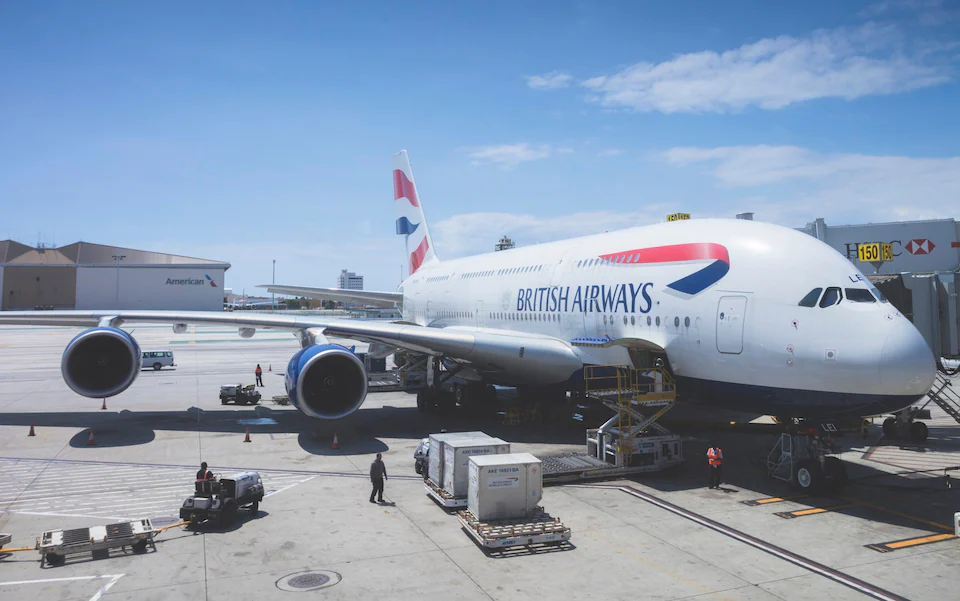
A routine transatlantic flight aboard a British Airways Airbus A380 transformed into an emergency situation when unexpected turbulence over the North Atlantic Ocean resulted in serious injuries to passengers and crew members. The incident, which occurred on December 6, 2024, has prompted a comprehensive investigation by the UK Air Accidents Investigation Branch (AAIB) and highlights the persistent challenges aviation faces in predicting and managing clear-air turbulence at cruising altitude.
The aircraft, registered as G-XLEI, was operating a scheduled service from Los Angeles International Airport (LAX) to London Heathrow Airport (LHR) when it encountered severe atmospheric disturbances approximately 39,000 feet above the ocean. Despite having modern weather forecasting tools and experienced crew members who had already activated seatbelt signs in anticipation of rough air, the sudden vertical movement proved powerful enough to cause significant injuries.
What makes this incident particularly noteworthy is that it occurred despite proper safety protocols being in place. The flight crew had illuminated the seatbelt signs and taken appropriate precautionary measures based on available weather data and forecasting tools. However, the turbulence encountered proved to be significantly stronger than predicted, demonstrating the limitations of current atmospheric prediction technology.
Sudden Turbulence Strikes During Routine Cruise Flight
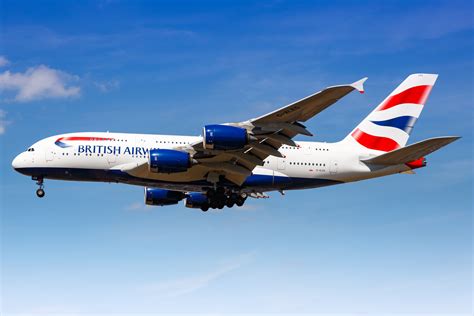
The Airbus A380 was maintaining its cruising altitude of approximately 39,000 feet when it encountered the turbulence event south of Greenland. At the time of the incident, 277 passengers and 24 crew members were aboard the massive double-decker aircraft. The flight crew had already activated the seatbelt signs and warned passengers about anticipated rough air conditions ahead, following standard operating procedures for potential turbulence encounters.
Despite these precautionary measures, the sudden vertical movement of the aircraft was severe enough to throw occupants around the cabin. The force of the turbulence resulted in serious ankle injuries for both a passenger and a cabin crew member, with both individuals suffering broken ankles that required immediate medical attention. The injuries occurred because even with seatbelt signs activated, some individuals were not properly secured or were caught off guard by the intensity of the atmospheric disturbance.
Medical assistance was immediately provided by the cabin crew and medically trained passengers aboard the flight. Ground-based medical services also provided remote consultation and guidance to help manage the injured individuals during the remainder of the flight. The quick response and coordination between onboard personnel and ground-based medical experts proved crucial in stabilizing the injured parties.
The aircraft captain made the decision to continue the flight to London Heathrow rather than divert to an alternate airport, likely based on the medical assessment of the injuries and the remaining flight time. Emergency services were alerted and positioned to meet the aircraft upon arrival at Heathrow, where the injured passengers and crew member were immediately transported to hospital facilities for comprehensive medical treatment.
Clear-Air Turbulence Challenges Modern Aviation Technology
The AAIB investigation has focused particular attention on the phenomenon of clear-air turbulence, which remains one of the most difficult atmospheric conditions for aviation to predict and manage. Unlike turbulence associated with visible weather patterns such as thunderstorms or frontal systems, clear-air turbulence occurs in seemingly calm atmospheric conditions without obvious visual indicators that pilots can observe and avoid.
In this specific incident, the flight crew utilized real-time weather applications alongside standard meteorological forecasts to assess potential turbulence risks along their planned route. These modern tools represent significant advances in aviation weather technology, providing pilots with up-to-the-minute atmospheric data and predictive models. However, the turbulence encountered proved to be substantially stronger than what the forecasting systems had predicted for that particular area and altitude.
The investigation revealed that large aircraft like the Airbus A380, despite their size and advanced flight control systems, remain vulnerable to sudden atmospheric disturbances. The massive scale of the A380 can actually amplify the effects of turbulence due to the aircraft’s weight and the forces generated when such a large structure encounters rapid air movement. Even brief encounters with severe turbulence can generate significant G-forces that affect everyone aboard the aircraft.
Cabin crew members face particular vulnerability during turbulence events because their duties often require them to move throughout the cabin during flight operations. Unlike passengers who can remain seated and secured, flight attendants must balance their service responsibilities with personal safety considerations, making them more susceptible to injury during unexpected turbulence encounters.
Investigation Findings and Safety Implications
The AAIB investigation concluded without identifying any mechanical issues with the aircraft or failures in standard operating procedures. Instead, the focus centered on operational decision-making processes, the effectiveness of current weather awareness tools, and overall cabin safety outcomes during turbulence events. The investigation approach emphasized learning and improvement rather than assigning blame for the incident.
Significantly, the AAIB noted in their report that the situation could have been considerably worse if the seatbelt signs had not been illuminated at the time of the turbulence encounter. The proactive decision by the flight crew to activate safety warnings likely prevented additional injuries among the passenger population. This observation reinforces the critical importance of passenger compliance with seatbelt sign instructions, even when flight conditions appear smooth.
The investigation highlighted the valuable role of modern technology in supporting crew decision-making during challenging flight conditions. Live weather application technology and ground-based medical services proved instrumental in managing both the prevention aspects and response elements of the incident. These technological tools represent important safety advances that continue to evolve and improve aviation safety outcomes.
Turbulence-related injuries represent one of the most common categories of in-flight harm to both passengers and crew members worldwide. The majority of these incidents occur during cruise flight phases when cabin movement is most frequent and passengers may be less vigilant about remaining secured in their seats. Aviation authorities consistently emphasize the importance of maintaining seatbelt use throughout the flight, particularly noting that clear-air turbulence provides minimal advance warning.
Broader Aviation Safety Considerations
The Airbus A380 maintains an exemplary safety record since entering commercial service in 2007, with incidents involving passenger injuries remaining rare and typically associated with atmospheric conditions rather than aircraft mechanical issues or performance problems. The aircraft’s sophisticated flight control systems and structural design generally help mitigate turbulence effects, though they cannot completely eliminate the risks associated with severe atmospheric disturbances.
As global air traffic continues to increase and climate variability potentially affects atmospheric patterns, researchers are actively studying whether turbulence frequency and intensity may be increasing, particularly along heavily traveled routes such as transatlantic corridors. These research findings could significantly influence future flight planning practices, optimal altitude selection strategies, and cabin safety procedures.
Airlines are increasingly investing in satellite-based weather data systems, comprehensive pilot reporting networks, and advanced real-time forecasting tools to improve turbulence prediction and route planning capabilities. However, the inherent unpredictability of atmospheric conditions means that sudden turbulence events will likely continue to occur despite technological advances, reinforcing the ongoing need for constant vigilance and strict adherence to safety procedures.
This incident serves as a valuable reminder of the unpredictable nature of high-altitude flight operations, even aboard the most modern and sophisticated commercial aircraft. The experience demonstrates that both passengers and crew members benefit significantly from strict adherence to established safety procedures, particularly the fundamental practice of remaining seated with seatbelts properly fastened when advised by the flight crew. For cabin crew members, the ongoing challenge of balancing service duties with personal safety considerations remains a critical aspect of professional aviation operations.
The AAIB continues to publish detailed investigation reports like this one to improve industry-wide safety awareness, share valuable operational lessons, and reduce the likelihood of similar injuries occurring in future incidents. These investigations contribute to the continuous improvement of aviation safety standards and help ensure that lessons learned from individual events benefit the entire global aviation community.