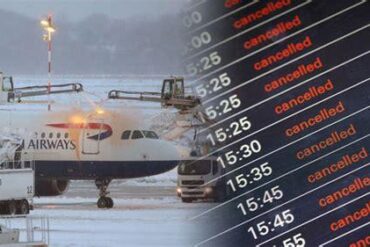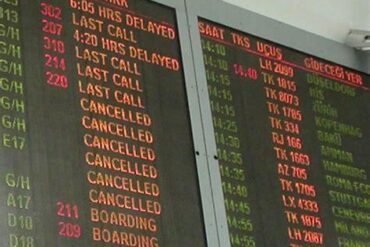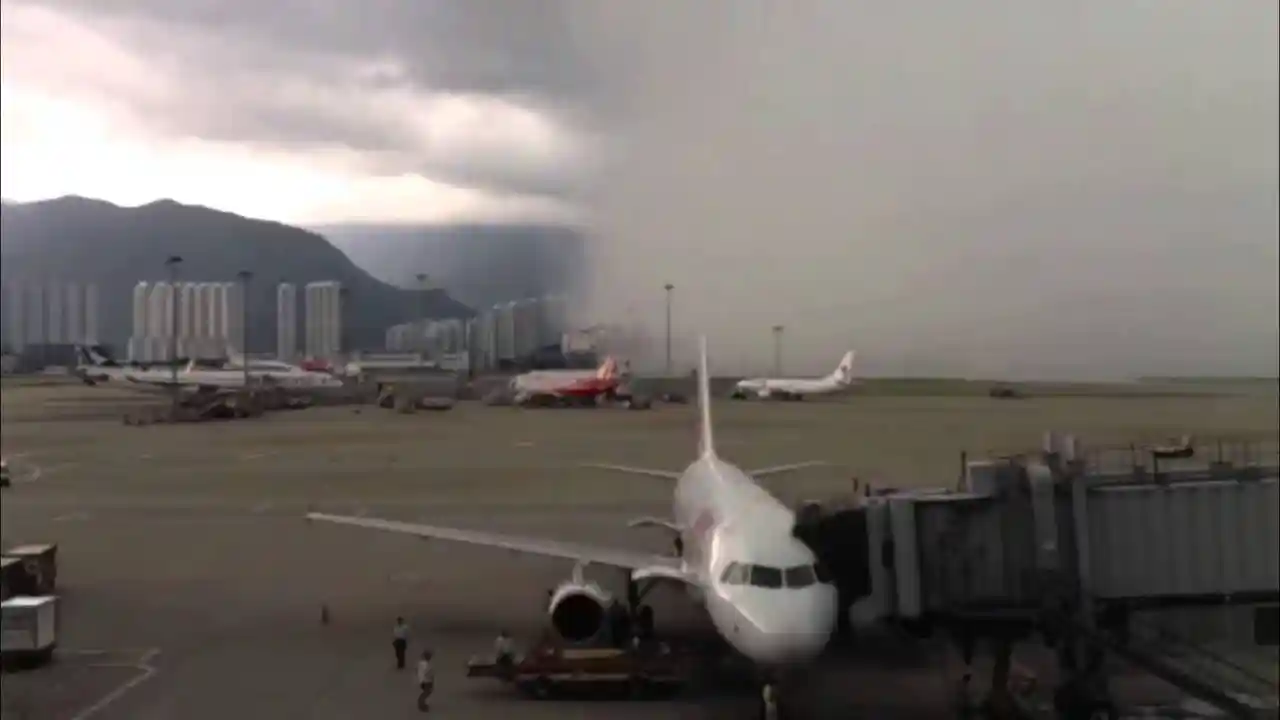
Asia’s aviation network has plunged into chaos as severe weather conditions, including intense storms, torrential rain, and low visibility, forced over 700 flight cancellations across the region. Major carriers such as Air Japan, AirAsia, Singapore Airlines, Emirates, Cathay Pacific, Saudia, and United Airlines have been significantly affected. The scale of disruption has left thousands of passengers stranded at key airports, straining airline operations and exposing weaknesses in regional aviation infrastructure.
Massive Disruptions Hit Asia’s Busiest Airports
At the heart of the crisis are Asia’s largest air travel hubs, which faced cascading failures due to compounding factors like saturated air corridors, staffing shortages, and limited runway capacity. Particularly hard-hit airports include:
Hong Kong International Airport
The situation at Hong Kong International Airport was described by stranded travelers as “unprecedented.” With 423 delays and 273 cancellations, nearly half of Cathay Pacific’s scheduled flights were grounded. American-bound routes also saw 16 delays and 10 cancellations, signaling ripple effects that reached global corridors.
Shenzhen Bao’an International Airport
Shenzhen, a growing aviation gateway, reported 239 delays and 215 cancellations. China Eastern alone canceled 91% of its operations, while Spring Airlines and Hainan Airlines faced significant constraints due to both weather and air traffic restrictions.
Shanghai Pudong International Airport
As China’s busiest international hub, Shanghai Pudong saw a troubling mix of 390 delays and 56 cancellations. Disruptions impacted Cathay Pacific, Singapore Airlines, China Eastern, and Emirates, forcing rerouting of long-haul connections and amplifying passenger inconvenience.
Additional Airports in Crisis
Other airports that experienced high levels of congestion and operational paralysis included:
- Shanghai Hongqiao: 154 delays, 50 cancellations
- Kunming Changshui: 350 delays, 28 cancellations
- Bangkok Suvarnabhumi: 294 delays, 25 cancellations
- Beijing Capital: 246 delays, 41 cancellations
- Beijing Daxing: 129 delays, 25 cancellations
- Hangzhou Xiaoshan: 245 delays, 23 cancellations
- Nanjing Lukou: 143 delays, 28 cancellations
Together, these airports account for the lion’s share of Asia’s air travel capacity, and the breakdown highlighted the fragile balance between infrastructure and demand.
Airlines Grapple with Network-Wide Disarray
Aviation giants faced one of their most challenging operational weekends in years. With weather systems moving erratically, flight planners were left with little room to maneuver. Airlines were forced to ground planes, reroute others mid-air, and attempt rescheduling amidst scarce availability.
Breakdown by Airline
The following airlines were among the worst affected:
- China Eastern: Over 400 delays and 60+ cancellations.
- Cathay Pacific: Dozens of international and regional flights delayed, with 46% of its schedule cancelled at HKG.
- AirAsia: Affected mainly on routes in and out of Kunming and Bangkok, with several delays and scattered cancellations.
- Singapore Airlines: Long-haul flights rescheduled, particularly those bound for Europe and Australia.
- Emirates: Rerouted several flights from Shanghai and Beijing, cancelling at least two services.
- United Airlines: Multiple delays on U.S.-Asia routes.
- Japan Airlines: Disruptions primarily at Daxing and Capital Airports.
- Air China: Heavily delayed, especially in Beijing and Shenzhen, although cancellations were limited.
Smaller regional players like Juneyao Airlines, Korean Air, and West Air also reported multiple service interruptions.
Passenger Chaos and Public Outcry
With thousands stuck at terminals, the passenger experience quickly turned into frustration. Social media platforms flooded with images of overflowing lounges, chaotic departure halls, and snaking queues at customer service counters. In several airports, passengers reported being held onboard planes for hours due to the lack of available gates or ground crew.
Communication was cited as a major problem. Many travelers reported minimal updates from airlines, with mobile apps and websites lagging behind actual flight statuses. This led to confusion, missed connections, and an overall sense of helplessness among flyers.
Structural Weaknesses in Asia’s Aviation Network
While meteorological extremes triggered the initial shock, aviation analysts argue that deep-rooted infrastructure and operational flaws exacerbated the crisis:
- Airspace congestion: With China’s rapid growth in domestic aviation, congested skies have become a routine bottleneck.
- Limited runway access: Airports like Shenzhen, Pudong, and Hongqiao struggle with insufficient slots during peak demand.
- Staffing shortages: Post-pandemic recovery has left many ground and air traffic operations understaffed and overworked.
- Poor weather-readiness: Many airports in Asia still lack advanced forecasting systems and contingency planning tools.
The result is a fragile network prone to large-scale failure during even moderate weather anomalies.
Airline Responses and Recovery Measures
As cancellations mounted, airlines were forced to implement emergency protocols:
- Singapore Airlines and Cathay Pacific began waiving rebooking and change fees.
- Emirates issued full refunds for cancelled bookings.
- United Airlines and AirAsia deployed additional staff to assist at key terminals.
- China Eastern tried rerouting passengers via alternative regional hubs, such as Chengdu and Wuhan.
Despite these efforts, the backlog in passenger flow has made recovery slow and painful, with ongoing cancellations expected in the coming days.
Looking Ahead: Will Asia’s Aviation Industry Adapt?
The current meltdown underscores a pressing need for technological upgrades and strategic foresight across Asia’s aviation infrastructure. With demand set to rise sharply through 2030, current systems appear woefully inadequate. Experts have called for:
- Expansion of runway capacity in overloaded airports.
- Investment in digital traffic control systems and AI-based routing to optimize aircraft flow.
- Weather-resilient infrastructure, particularly at flood-prone or fog-vulnerable airports.
- Regional coordination protocols to streamline rerouting and flight prioritization.
Without bold investments, the aviation ecosystem risks repeating such crises with greater frequency and scale.
Advice for Affected and Upcoming Travelers
In light of continued weather instability and residual network delays, travelers should take the following precautions:
- Check flight status frequently using airline apps.
- Arrive early at airports to account for extended security and rebooking queues.
- Be flexible with travel dates, particularly for domestic transfers.
- Monitor weather alerts, especially when flying into southern China, Hong Kong, Thailand, or coastal cities.
Conclusion: A Wake-Up Call for the Asian Skies
This massive weather-induced disruption has served as a critical stress test for Asia’s aviation infrastructure. While climate conditions played the catalyst, the chaos laid bare systemic issues that require urgent reform. As more than 700 flights remain grounded, the current situation is a stark warning: Asia’s aviation future depends not just on expansion, but on resilience, agility, and smarter planning.