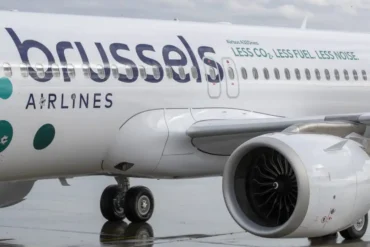
On a tense October evening, Brussels Airlines made the controversial decision to terminate three veteran flight attendants after they refused to board a flight to Ghana, citing unresolved concerns about potential bedbug infestations. The fallout from the decision has thrown the airline into a storm of union backlash, passenger anxiety, and an escalating labor conflict that threatens to disrupt operations just as the autumn holiday travel season begins.
Bedbug Allegation Triggers a Safety Crisis
The drama began on a Friday, when cleaning staff at Brussels Airlines flagged a possible case of bedbug contamination on an aircraft scheduled to depart for Accra, Ghana. As standard procedure, the cleaning crew—trained to detect signs of infestation—reported their concerns to management. In response, Brussels Airlines enlisted an external pest control firm and an internal maintenance specialist to assess the situation.
According to airline spokesperson Nico Cardone, both the third-party inspection team and internal staff concluded it was likely a false alarm. Based on their assessment, the aircraft was cleared for takeoff by the flight’s captain.
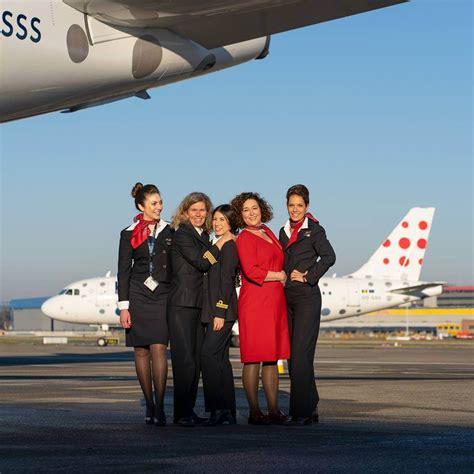
However, not all crew members shared the same confidence. Five flight attendants expressed deep reservations about boarding the aircraft. Despite attempts to reassure them, only two ultimately agreed to fly. The remaining three—women with 30, 27, and 20 years of service respectively—invoked their contractual right to declare themselves “not fit to fly.” This policy allows crew to refrain from duty if they believe they are physically or mentally unfit to ensure passenger safety.
Airline Fires Staff, Cites Operational Harm
In a move that sent shockwaves through the aviation sector, Brussels Airlines dismissed the three flight attendants for cause. The company justified the decision by claiming the crew had deliberately disrupted operations, resulting in a delayed departure and reputational damage.
“You cannot invoke the ‘not fit to fly’ rule without sufficient cause,” said a company representative. Brussels Airlines argued that by disregarding the results of the inspection and refusing to fly, the attendants had caused financial and operational harm to the company and compromised customer trust.
The airline maintains that it followed all safety and health protocols and that the third-party pest control assessment was sufficient. Nonetheless, the event highlights growing tensions between airline cost management strategies and employee concerns over workplace health risks.
Union Uproar: “Symbolic Case of Intimidation”
Unions representing airline staff responded with fury. ACV Puls, the Christian union, and BBTK, the socialist union, condemned the dismissals as excessive and retaliatory. Jeroen Van Ranst, spokesperson for ACV Puls, described the terminated employees as “extraordinarily experienced professionals” and warned that their abrupt dismissal sends a chilling message across the aviation industry.
“This is a symbolic case,” said Olivier Van Camp of BBTK. “If these dismissals stand, who will ever dare to declare themselves unfit again?”
The unions argue that the core purpose of the “not fit to fly” clause is to preserve the mental and physical integrity of crew members, especially in high-stress, high-responsibility environments. Punishing employees for exercising that right, they say, turns a safety protocol into a trapdoor for termination.
Disinfection or Dismissal? Critics Slam Airline Protocols
Passengers and aviation safety advocates have also weighed in. Critics on social media and forums have expressed concern that Brussels Airlines appears to have prioritized operational continuity over health precautions. Several noted that the airline opted not to conduct a full disinfection process, instead relying on a paid contractor to declare the aircraft safe.
This decision has drawn comparisons to flawed financial oversight mechanisms and government-appointed regulators with potential conflicts of interest. “It’s like asking a bridge engineer paid by the state to declare a crumbling bridge safe. Who’s holding them accountable?” one commenter wrote.
Moreover, the financial dependency between Brussels Airlines and the external pest control company has raised questions about bias in risk assessment. While official reports found no conclusive evidence of bedbugs, the refusal to apply a precautionary disinfection has fueled public distrust.
Potential Strike Looms Amid Labor Deadlock
As of the latest reports, the unions are considering strike action if the airline does not reinstate the dismissed employees. Talks between union representatives and Brussels Airlines management have so far yielded no resolution.
“The staff is angry,” said Van Ranst. “We will meet with our members tomorrow. If the company refuses to reverse the dismissals, we cannot rule out a full-blown strike.”
With school holidays approaching and thousands of passengers preparing to travel, any industrial action could severely impact schedules. Travelers are already bracing for disruptions, and Brussels Airport officials are monitoring the situation closely.
A Reputation at Risk: From Hospitality to Hostility
Brussels Airlines, once known for its customer-centric service, is now facing a reputation crisis. The term “Bedbug Airlines” has begun circulating online, with several passengers swearing off the airline until it revises its sanitation protocols and staff treatment policies.
Public sentiment appears divided. Some support the airline’s decision, noting that the flight attendants went against protocol. Others argue that passenger health and employee wellbeing should take precedence, especially when pests like bedbugs are known to infest luggage and homes.
“This isn’t about insects,” one user wrote. “It’s about trust. If I can’t count on the airline to take extra measures to ensure safety—even if it’s just to be extra cautious—why should I board that plane?”
What Lies Ahead: A Crossroads for Airline Labor Policy
This incident has triggered broader questions about employee rights, corporate transparency, and the balance between safety and efficiency in aviation. Labor experts warn that if Brussels Airlines does not address these concerns, it risks demoralizing its workforce and inviting further scrutiny from regulators and travelers alike.
Some aviation analysts believe that Brussels Airlines may ultimately reverse the dismissals to avoid union actions and reputational damage. Others argue that the airline might stand firm to assert control over workforce conduct, particularly if it believes the crew’s decision set a dangerous precedent for future operations.
Final Thoughts: Policy or Precedent?
At the heart of the controversy is a fundamental tension between risk management and risk tolerance. While the presence of bedbugs was never confirmed, the employees’ concerns stemmed from what they saw as a failure to act with sufficient caution. Their decision to decline duty, made under a policy designed to protect passengers and staff alike, was met not with support—but with termination.
Whether Brussels Airlines acted out of frustration, economic pressure, or procedural conviction, the story has highlighted serious vulnerabilities in the system. And now, as the unions prepare their next move, the airline stands at a crossroads: de-escalate the crisis through dialogue and reinstatement, or double down on a decision that may cost it far more than three employees.