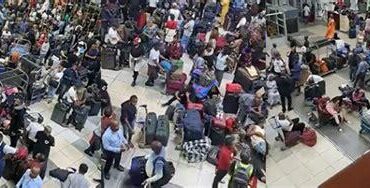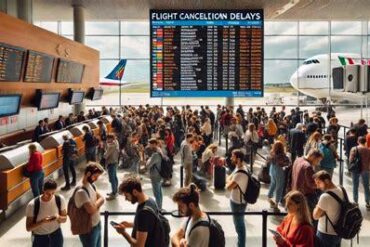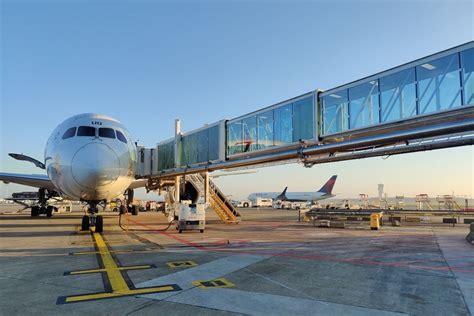
Brussels Airport is preparing for an unprecedented operational halt as a nationwide labor strike is set to bring departures to a complete standstill for 24 hours. On Thursday, March 12, not a single aircraft will depart from Belgium’s primary international gateway, forcing airlines, airport authorities, and thousands of passengers to rapidly adjust plans amid sweeping disruptions across the aviation network.
The shutdown stems from a coordinated national strike expected to draw participation from a large share of airport security personnel, baggage handlers, and ground support staff. Without these critical workers, maintaining safe operations becomes impossible. As a result, airport authorities, in consultation with airlines, made the extraordinary decision to cancel every outbound flight scheduled for that day.
The consequences extend beyond departures alone. Because aircraft scheduled to land in Brussels typically operate a return leg from the airport, many inbound flights will also be cancelled. This cascading effect will ripple through airline schedules across Europe and beyond, potentially disrupting travel plans for tens of thousands of passengers and complicating aircraft rotations throughout the global network.
Why Brussels Airport Will See Zero Departures
Airport officials confirmed that the decision was primarily driven by safety considerations. Security screening, passenger processing, baggage handling, and aircraft servicing all rely on coordinated teams working simultaneously. If a significant portion of those workers walk off the job, even a limited flight schedule becomes operationally risky.
In an official statement, Brussels Airport explained that halting departures entirely was the only responsible option under the circumstances.
“To ensure the safety of passengers and staff, we have decided, in consultation with the airlines, not to operate any departing flights on 12 March.”
This rare step underscores how dependent modern aviation infrastructure is on a massive behind-the-scenes workforce. Every departing aircraft represents a carefully synchronized chain of tasks—from baggage sorting systems and passenger screening to fueling, catering, and ramp coordination. Remove enough links in that chain and the entire system stops functioning.
Brussels Airlines Braces for Heavy Financial Impact
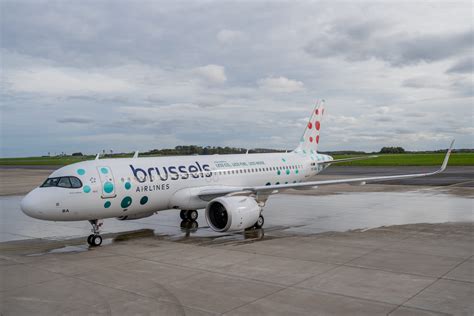
Among the carriers most heavily affected is Brussels Airlines, the country’s flag carrier and the largest airline operating at the airport. Industry data shows the airline accounts for nearly half of all passenger traffic at Brussels Airport, meaning a full shutdown effectively paralyzes much of its network for the day.
The airline is expected to cancel more than 200 scheduled flights, representing a substantial portion of its daily operations. Each cancellation carries both immediate and indirect financial consequences. Lost ticket revenue is only part of the equation; airlines must also deal with logistical costs such as aircraft repositioning, crew scheduling adjustments, and accommodating stranded passengers.
Passenger care obligations add another layer of complexity. Even when compensation rules do not apply, airlines frequently provide rebooking options, travel vouchers, or accommodation as goodwill gestures. For a disruption of this scale, those measures can quickly accumulate into millions of euros in additional expenses.
The broader Lufthansa Group—of which Brussels Airlines is a member—may also feel the ripple effects. Because Brussels Airlines participates in Star Alliance, many of its passengers travel on connecting itineraries involving partner airlines such as Lufthansa, United Airlines, or Singapore Airlines. When one hub experiences a shutdown, connections throughout the alliance network can be disrupted.
A Pattern of Aviation Strikes Since 2025
While dramatic, the upcoming shutdown is not an isolated incident. Belgium’s aviation sector has experienced repeated labor unrest over the past year, with the upcoming strike marking the eighth aviation-related strike since 2025.
Data compiled by Belga News Agency reveals the scale of the disruption caused by previous strikes. During 2025 alone, approximately 2,400 flights were cancelled at Brussels Airport, affecting around 275,000 passengers. For an airport that handles tens of millions of travelers annually, those numbers represent a significant operational and financial setback.
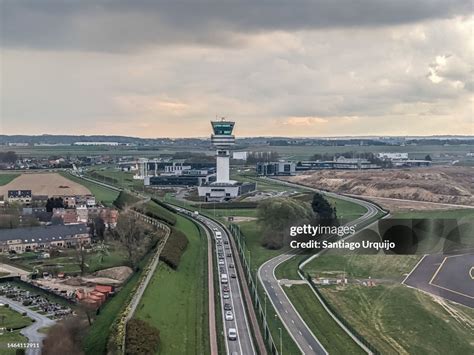
The financial impact extends well beyond airlines. Airports generate revenue from numerous sources, including passenger fees, aircraft landing charges, parking fees, and commercial activity within terminals. When flights disappear from the schedule, those revenue streams shrink immediately.
Brussels Airlines alone reportedly lost more than €15 million in revenue across the seven strike days recorded in 2025. When factoring in losses experienced by other carriers, airport service providers, and retail businesses inside terminals, the total economic impact likely climbs far higher.
Why Airline Alliances Matter During Disruptions
Aviation operates as a deeply interconnected global network. When a hub airport shuts down, the disruption rarely stays local. Flights feeding into Brussels from across Europe may suddenly lose their onward connections, forcing airlines to reroute passengers through alternative hubs.
This is where global airline alliances demonstrate their value. Brussels Airlines’ membership in Star Alliance, the world’s largest airline alliance, allows passengers to be rebooked onto flights operated by partner carriers when disruptions occur.
For example, a traveler originally scheduled to connect through Brussels might instead be rerouted via Frankfurt, Zurich, or Vienna, depending on available capacity within the alliance network. Such flexibility cannot eliminate the inconvenience, but it often prevents disruptions from escalating into multi-day travel chaos.
Why EU Passenger Compensation Rules Likely Won’t Apply
Under normal circumstances, European travelers benefit from strong consumer protections through EU Regulation 261/2004, commonly known as EU-261. This regulation outlines passenger rights in cases of flight delays, cancellations, or denied boarding, often requiring airlines to pay compensation.
However, the regulation includes an important exception for extraordinary circumstances beyond the airline’s control. These circumstances include severe weather events, air traffic control disruptions, security incidents, and labor strikes that are not directly organized by the airline itself.
Because the upcoming strike involves airport security and ground staff rather than airline employees, airlines are typically exempt from financial compensation requirements under EU-261. In other words, while passengers are entitled to assistance such as rebooking or refunds, cash compensation is unlikely.
Even so, many airlines choose to offer flexible rebooking options during major disruptions. Allowing passengers to change flights without fees or cancel tickets entirely can help maintain customer goodwill—an asset airlines value almost as much as operational efficiency.
A Reminder of Aviation’s Fragile Balance
The looming shutdown at Brussels Airport illustrates how delicate the global air transport system really is. A modern airport may appear as a seamless machine moving aircraft and passengers effortlessly across continents. In reality, it depends on thousands of specialized workers performing synchronized tasks every minute.
When even one critical segment of that workforce steps away, the entire system pauses. On March 12, Brussels Airport will provide a striking demonstration of that reality: a major European hub, temporarily silent, with zero departures leaving the runway for an entire day.