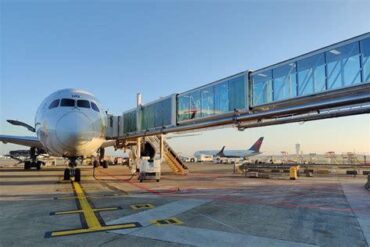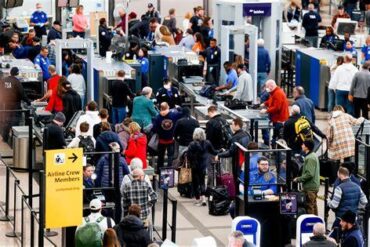
Berlin’s aviation network is facing a complete operational collapse as a sweeping labor strike forces the shutdown of all passenger flights at Berlin Brandenburg Airport (BER). For nearly an entire day, from early morning through late evening, the German capital—already reliant on a single major airport—will effectively be cut off from the skies, leaving tens of thousands stranded and airlines scrambling for contingency plans.
The disruption underscores a structural vulnerability in Berlin’s aviation infrastructure. Once served by both Tegel and Schönefeld airports, the consolidation into BER has improved efficiency but eliminated redundancy. Now, with operations concentrated in one hub, a single coordinated strike has the power to bring all commercial air traffic to a standstill—a scenario now unfolding in real time.
The walkout, organized by the powerful labor union Verdi, stems from escalating tensions over wage negotiations. Workers across key operational roles—including airport fire services, technical staff, and administrative personnel—are participating in what has been labeled a “warning strike,” though its impact is anything but limited.
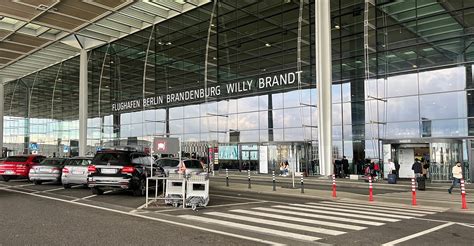
Wage Dispute Ignites Full-Scale Operational Shutdown
At the core of the crisis lies a deeply contentious compensation dispute. Airport management’s proposal—a 1% annual wage increase through 2028—has been met with sharp resistance from union representatives, who argue that such incremental raises fail to keep pace with inflation and the rising cost of living across Germany.
Union officials have openly criticized the offer as dismissive. The sentiment among workers is that their contributions—especially in maintaining safety-critical airport operations—are being undervalued. The resulting frustration has translated into decisive industrial action, effectively removing essential personnel required for safe airport functioning.
Unlike partial strikes that disrupt specific services, this coordinated effort hits multiple operational pillars simultaneously. Even though not all airport employees are union members, the absence of critical roles ensures that no aircraft can legally or safely operate, forcing a blanket halt on all scheduled flights.
57,000 Passengers Stranded as Flights Vanish from Schedule
The scale of the disruption is staggering. Approximately 445 arrivals and departures have been canceled, affecting an estimated 57,000 travelers. For a city like Berlin—less dominant than hubs such as Frankfurt or Munich but still a vital European gateway—the ripple effects are immediate and widespread.
Passengers expecting to travel to major destinations such as Munich, Frankfurt, London Heathrow, and Vienna have found themselves caught in a logistical nightmare. Airlines have issued urgent advisories, urging customers to check rebooking options or consider alternative routes, though availability remains extremely limited due to the sudden surge in demand.
The absence of backup infrastructure amplifies the disruption. Unlike multi-airport cities that can redistribute traffic during emergencies, Berlin’s centralized system leaves airlines with no domestic fallback, intensifying passenger displacement and operational chaos.
Rail Network Steps In as Lufthansa Activates Contingency Plan
In a strategic move to mitigate passenger disruption, Lufthansa has activated its long-standing intermodal partnership with Deutsche Bahn, offering affected travelers the option to switch from air to rail—at no additional cost.
This initiative allows passengers booked on domestic routes to transfer seamlessly onto Germany’s high-speed train network. Moreover, the program extends beyond national borders, covering key European destinations such as Vienna, Paris, Amsterdam, and Zurich. While journey times may increase, the alternative ensures that mobility is preserved despite the aviation shutdown.
The integration of air and rail networks highlights a growing trend in European transport strategy—one that prioritizes flexibility and resilience. In moments like this, such partnerships prove invaluable, transforming a potential travel standstill into a manageable, if inconvenient, detour.
Fragile Negotiations Hold the Key to Recovery
The next round of negotiations between airport authorities and union representatives is scheduled within days, with both sides under mounting pressure to reach a resolution. For Berlin, the stakes extend beyond a single day of disruption. Prolonged labor unrest could erode confidence in the city’s aviation reliability and impact its broader economic ecosystem.
This incident serves as a stark reminder of the delicate balance between operational efficiency and workforce satisfaction. Airports are complex ecosystems where even a small breakdown in labor relations can cascade into system-wide paralysis.
As passengers navigate cancellations and altered itineraries, and airlines recalibrate their operations, one reality becomes clear: in today’s tightly interconnected transport networks, labor disputes are no longer isolated events—they are global disruptions in motion.