Travelers across Italy are experiencing unprecedented disruptions as a national strike unfolds, impacting air travel, rail services, and local transport networks. The strike, which is set to last for 24 hours, has been organized by various trade unions demanding better working conditions for transport workers, particularly focusing on wages and hours. As the clock ticks toward the scheduled end of the strike at 9 p.m., the chaos left in its wake continues to escalate, posing significant challenges for those relying on Italy’s transportation systems.
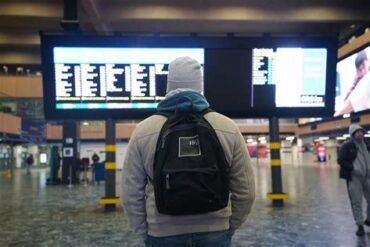
The epicenter of the turmoil is undeniably the major cities of Rome and Milan. These urban hubs are not only vital for domestic travel but also serve as critical gateways for international flights and rail connections. The anticipated disruptions are particularly severe at key transport facilities including Fiumicino Airport and Milano Centrale, leading to extensive delays and numerous cancellations. As travelers prepare for their journeys, they must brace themselves for a chaotic day filled with uncertainty.
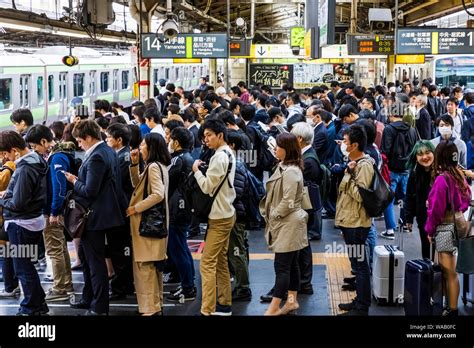
Major Cities Bear the Brunt of the Strike
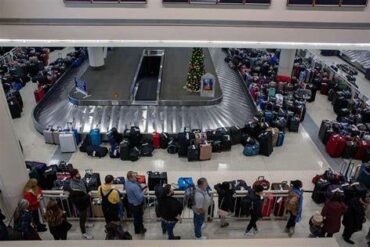
Rome and Milan are expected to endure the worst impacts from the strike. Airport and train workers have joined the movement, leading to a ripple effect of cancellations and delays. Passengers should prepare for an agonizing wait at both airports and railway stations, where hundreds of flights and trains have already been affected. With the potential for more disruptions as the day progresses, travelers are urged to check their flight and train statuses frequently.
ITA Airways and Other Airlines Respond to Disruptions
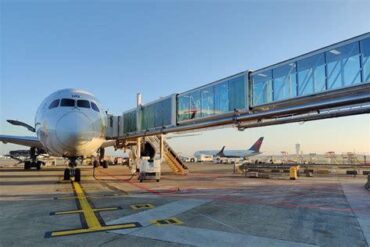
In light of the ongoing strike, ITA Airways, along with other airlines operating out of Italy’s major airports, are adjusting their schedules to cope with the disruptions. Passengers planning to fly should remain vigilant and verify their flight details before heading to the airport. As the situation evolves, further changes to flight schedules are highly likely, making it imperative for travelers to stay informed. Cancellations are expected to increase as the strike unfolds, adding another layer of complexity to travel plans.
Rail Services in Turmoil
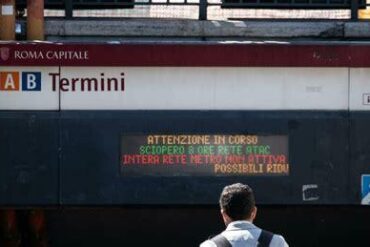
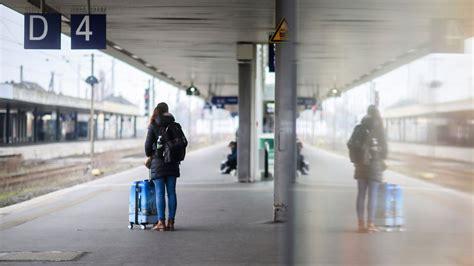
The impact of the strike extends beyond air travel, severely disrupting Italy’s rail network as well. Long-distance services, including popular routes like Frecce and Intercity, have already reported significant delays and outright cancellations. Regional train services, essential for daily commutes, are also under threat, leaving many passengers stranded or uncertain about their travel options. In response to the crisis, Trenitalia, Italy’s primary rail operator, has announced that a minimum service level will be maintained for certain essential routes. However, with reduced schedules, travelers can expect longer wait times and fewer available trains.
Navigating the Chaos: Tips for Travelers
With both air and rail services facing severe disruptions, travelers are strongly advised to remain proactive. Continuous monitoring of flight and train statuses is crucial. ITA Airways recommends that passengers check their flight details for real-time updates, as cancellations may continue to mount throughout the day. For those utilizing the rail network, consulting Trenitalia’s website or customer service for the latest information on train schedules is essential.
Given the widespread nature of the disruptions, it’s prudent for travelers to prepare for longer wait times and possible alternate routes. Flexibility is key; having a backup plan can significantly ease the travel experience amid the ongoing turmoil.
Implications of the National Strike
The national strike, which is driven by demands for improved working conditions, has sparked participation from workers across various sectors. The widespread nature of this action emphasizes the critical issues faced by transport employees in Italy, making this a pivotal moment in the ongoing dialogue about labor rights and conditions. As the strike persists, the impact on transportation operations is profound, highlighting the interconnectedness of various public services and the fragility of systems that many take for granted.
Conclusion: A Day of Uncertainty for Travelers
As Italy grapples with this national strike, the disruption to transportation systems has created a day filled with uncertainty for travelers. Particularly in major cities like Rome and Milan, air travel and rail services are severely impacted, with widespread cancellations and delays likely to continue throughout the day. Passengers are strongly encouraged to stay updated on the status of their flights and trains, as well as remain adaptable in their travel plans. While some essential services will continue to operate, it is clear that the effects of this strike will be felt long after it officially concludes at 9 p.m. today. Travelers should brace for continued uncertainty and prepare accordingly to navigate the challenges posed by this unprecedented situation.