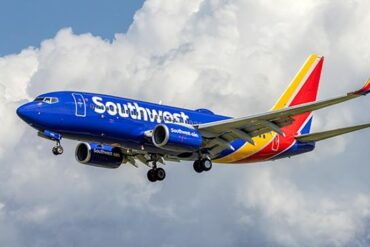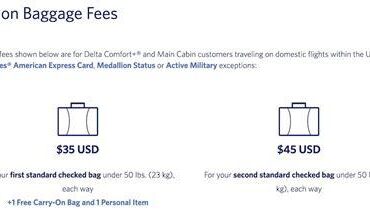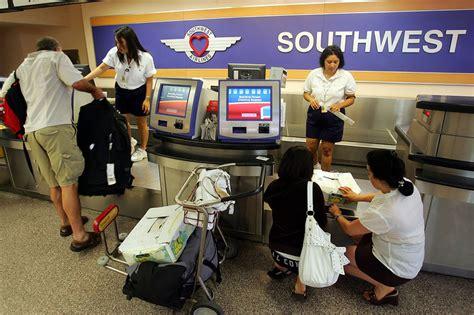
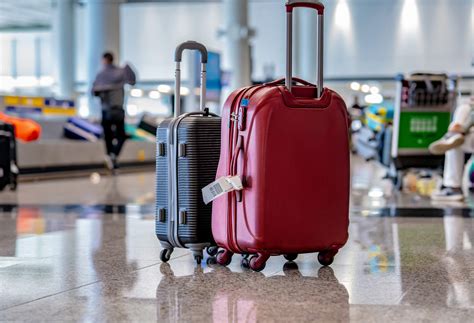
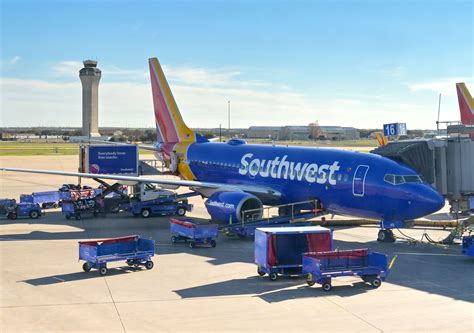
Southwest Airlines has long stood as an outlier in the U.S. aviation industry, boldly marketing its “Bags Fly Free” policy while competitors steadily monetized baggage fees. But as of last week, that era ended. In a decision that stunned loyal customers and industry watchers alike, Southwest officially scrapped its hallmark free checked bag policy. The move sparked concern from analysts, brand experts, and travelers who saw the change as a betrayal of the airline’s long-standing promise. Yet, CEO Bob Jordan addressed the issue publicly for the first time with a surprisingly casual defense, reducing the decision to two words: “low risk.”
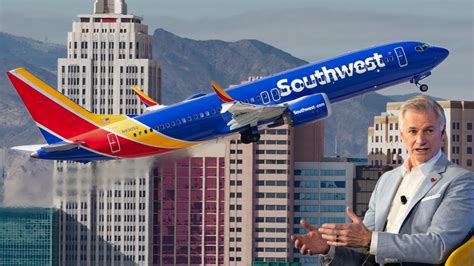
“Low Risk”: A Strategic Gamble or Brand Misstep?
Speaking at the Bernstein Strategic Decisions Conference, Jordan asserted that implementing baggage fees now carries minimal downside. According to him, the policy shift merely aligns Southwest with industry norms, making it a “low risk” move both operationally and financially. “This stuff is coming online right now,” Jordan said, referencing the rollout of fees. “There is low risk because we’re putting in things that the industry has done forever. So there’s low risk implementation, there’s low risk in the financial benefit paying off.”
But analysts are far from convinced. While Jordan frames the change as pragmatic, the emotional and psychological toll on consumer trust could prove devastating. Southwest didn’t just offer free bags—it branded itself around them. The phrase “Bags Fly Free” is literally trademarked by the company. For many, it was more than a perk; it was a symbol of the airline’s contrarian, customer-first ethos.
Unpacking the Brand Backlash
Consumer psychology experts have pointed out that eliminating a core brand promise—especially one tied so closely to identity—risks alienating loyal customers. In brand terms, Southwest didn’t just change a policy; it altered its DNA.
Southwest’s reputation was built on simplicity, low fares, and a no-nonsense, customer-first model. Where competitors nickel-and-dimed passengers for checked bags, seat assignments, and early boarding, Southwest offered a no-frills, transparent alternative. The free bags policy was emblematic of that philosophy.
Now, with its withdrawal, the airline risks becoming just another name in a crowded, commoditized market. It has surrendered its most distinctive value proposition. The decision sends an unspoken message: Southwest is no longer different.
Following the Industry, Not Leading It
Jordan’s justification that “everyone else is doing it” might soothe investors, but it’s a far cry from the brand narrative Southwest once championed. The airline that once defied industry trends is now joining them. In doing so, it forfeits not just goodwill but also its place in the public imagination as a company that dared to be different.
To many flyers, the change feels like the last domino falling. The aviation industry has been moving toward a la carte pricing for years. Checked bag fees, once rare, are now standard. Southwest’s resistance was a beacon of customer advocacy. Its fall into line is a symbolic end to that resistance.
Not Just Bags: A Larger Strategic Pivot
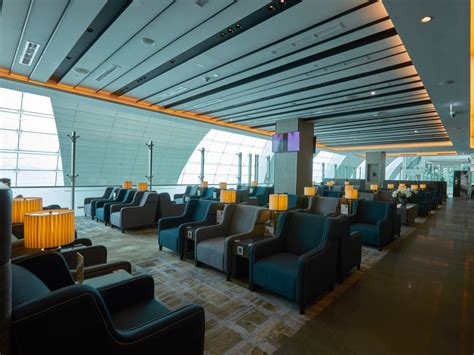
The baggage fee is just the beginning. In his remarks, Jordan hinted at more sweeping changes ahead. “We aren’t stopping here,” he said, before launching into a discussion about future possibilities that might include premium services, long-haul destinations, or even airport lounges—features Southwest has historically avoided.
“The consumer demand in certain cities for a lounge is super high,” he acknowledged. “My point is rather than say, ‘No, Southwest Airlines does not do that,’ you must follow the consumer or you are forever vulnerable to others that can offer that to the consumer.”
This marks a philosophical pivot. For decades, Southwest’s success hinged on consistency and operational simplicity: point-to-point service, quick turnarounds, and uniform fleet management. Its refusal to chase luxury or complexity kept costs low and efficiency high. Yet now, that strategy seems to be under revision.
Navigating the Financial Tightrope
From a financial perspective, Jordan’s “low risk” language speaks to near-term gains. Charging for baggage, like other ancillary fees, is a proven revenue booster. The global airline industry has seen billions of dollars added annually through unbundled services. For Southwest, implementing bag fees represents a potential windfall in ancillary revenue, a category where it traditionally lagged behind.
However, Southwest’s own data suggests it may not be profitable. Internal projections reportedly indicate that the added revenue might not offset the potential losses from customer dissatisfaction or attrition. That’s the core tension: the policy may deliver quick gains but at the potential cost of long-term loyalty.
Moreover, implementing these changes requires training, communication, and logistical recalibration—all of which cost money and come with reputational risk. The operational simplicity that once defined the airline is now being sacrificed in service of conformity.
Market Conditions Forcing Hand?
Behind Jordan’s public confidence may lie a harsher economic reality. The airline industry, still recovering from the seismic disruptions of the COVID-19 pandemic, faces increasing pressure from rising fuel costs, labor disputes, and inflation. Margins are thin, and investors are demanding leaner, more profitable operations.
In that context, bag fees might be a financial necessity, not a strategic choice. If so, Jordan’s “low risk” narrative is less a bold stance and more a spin on inevitable austerity.
It’s also possible Southwest is attempting to attract a broader market segment, including business travelers and premium consumers, in cities where demand for amenities is growing. But that requires a fundamental rethink of the Southwest model, one that may alienate its original base of price-sensitive, convenience-first travelers.
The Future of Southwest: Imitation or Innovation?
Jordan concluded his remarks with a revealing comment: “Rather than be forever vulnerable, we’re going to follow the consumer and what the consumer needs.” It’s a strategic posture that favors adaptation over ideology, but it also suggests that the airline once celebrated for leading the industry is now simply reacting to it.
The question remains whether this reactive stance will serve the airline in the long run. Will Southwest manage to blend its brand legacy with these new offerings? Or will it lose its soul trying to chase the same dollars as everyone else?
The road ahead will be defined by delicate balancing. If Southwest charges more while offering the same service, it risks revolt. If it expands services to match the higher price tag, it may lose its operational edge. And if neither happens, the brand that once thrived on trust and transparency could fade into the undifferentiated middle.
Final Thoughts: A Tectonic Shift
Southwest’s move to end free checked bags marks more than a policy adjustment—it signals the possible end of an era. The company built its name on being the exception, not the rule. With the adoption of baggage fees and hints at further “premiumization,” it now enters terrain where its core differentiators are eroding.
Bob Jordan may believe the shift is “low risk,” but history has shown that when companies compromise their brand essence, the fallout can be far-reaching. In an industry where loyalty is fragile and perception is everything, Southwest is gambling that its customers will adapt without resentment. Whether that bet pays off remains to be seen—but it’s one that could redefine the future of one of America’s most beloved airlines.