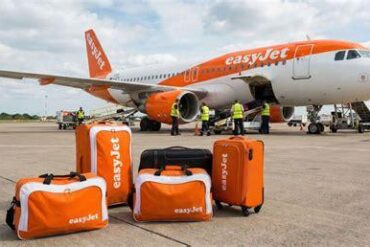
The recent proposal from the European Parliament to amend regulations concerning cabin baggage allowances has ignited a fierce debate within the airline industry. The International Air Transport Association (IATA), which represents the interests of airlines worldwide, has expressed grave concerns about the potential operational and commercial repercussions of this legislative initiative. At the core of the proposed changes is an amendment aimed at enhancing passenger rights under the Passenger Rights (2023/0437) regulation, which advocates for the allowance of an additional 100 cm cabin bag without extra charges. While this measure ostensibly responds to growing consumer demand for more baggage space, IATA argues that it could lead to significant complications and unintended consequences for both airlines and passengers.
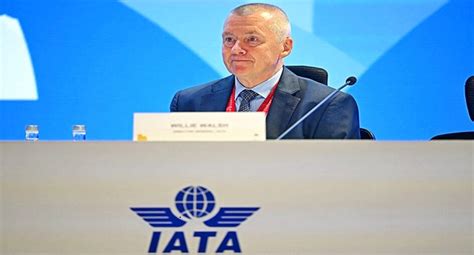
Willie Walsh, the Director General of IATA, has been vocal in his opposition to the proposed regulation, suggesting that the European Parliament’s interference in operational and commercial airline matters reflects a lack of understanding of the complexities involved. “When regulators meddle in commercial or operational issues they don’t understand, they usually get it wrong,” Walsh stated. He highlighted that most travelers prioritize paying the lowest fare for their tickets and prefer to purchase additional services as needed. This perspective sharply contrasts with the proposed amendment, which would compel airlines to re-bundle their offerings, potentially leading to increased costs and operational chaos.
The crux of IATA’s argument lies in the anticipated financial burden that the regulation could impose on airlines and passengers alike. By mandating a complimentary cabin bag for all passengers, the proposal necessitates a fundamental restructuring of airline pricing models. Traditionally, airlines have offered various services, including baggage allowances, allowing travelers to select and pay for only what they need. If this amendment comes into force, airlines may have no choice but to increase base ticket prices to offset the costs associated with accommodating additional baggage, even for those travelers who do not require extra luggage.
Moreover, the introduction of additional baggage space poses substantial operational challenges for airlines. According to IATA, the complexity of determining which bags qualify for free inclusion could lead to confusion during the boarding process, resulting in delays and increased turnaround times. This could also heighten the risk of flight cancellations or further delays, undermining the efficiency that airlines strive to maintain. To manage the added logistical demands, airlines would likely need to invest significantly in resources, further escalating operational costs.
Consumer preferences reveal a stark disconnect between the proposed regulation and the desires of the majority of travelers. A survey conducted by IATA in April 2025 indicated that 72% of travelers prefer to pay the lowest possible fare for their air tickets while opting to purchase additional services, such as baggage allowances, as necessary. This data underscores a critical issue with the proposed amendment: the vast majority of passengers do not require the extra cabin baggage space, and those who do are typically willing to pay for it. IATA’s findings show that only 30% of passengers usually opt to pay for cabin baggage, indicating that the proposed regulation would unfairly burden the majority of travelers, who would subsidize the costs for a minority benefiting from complimentary baggage.
The financial implications extend beyond individual travelers; airlines operate on notoriously tight margins, with substantial portions of their budgets allocated to fuel, labor, and maintenance costs. Any legislation imposing additional operational expenses, such as mandatory free cabin baggage, could exacerbate the already precarious financial state of the airline industry. IATA warns that raising base ticket prices to accommodate these costs might render air travel less accessible for average consumers, ultimately affecting overall demand in the sector. Higher ticket prices could diminish the quality of service provided to passengers, as airlines may struggle to maintain their standards under increased financial pressure.
In light of the impending regulatory changes, IATA has called for a reassessment of the need for further regulation in areas where existing frameworks suffice. Walsh emphasized that excessive regulation could stifle innovation and generate inefficiencies detrimental to both airlines and consumers. The airline industry already boasts well-established mechanisms to address diverse passenger needs, such as optional baggage allowances and a variety of personalized services. Rather than imposing rigid rules that apply uniformly to all passengers, IATA advocates for a more adaptable approach that enables airlines to continue offering a range of services tailored to their customers’ varying preferences. Such flexibility could foster greater competition, enhance affordability, and improve the overall travel experience for passengers.
The European Parliament’s insistence on additional cabin baggage for all passengers could usher in a new era of challenges for the airline sector. While the intention behind the move appears consumer-friendly, it fails to consider the economic and operational realities faced by airlines. The concerns raised by IATA regarding increased costs, operational disruptions, and the potential for inefficiencies must not be overlooked, as they could ultimately result in heightened travel expenses and a diminished passenger experience. As regulators contemplate sweeping reforms, it is crucial to acknowledge the intricate dynamics of the airline industry and the true preferences of travelers. Should the European Parliament proceed with this regulation, it must be prepared to shoulder the responsibility for the ramifications that may ensue.