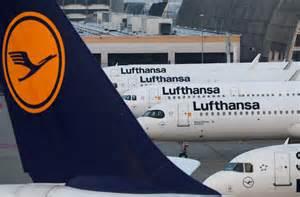
Lufthansa is entering a pivotal phase in its post-pandemic transformation, with CEO Jens Ritter signaling a confident outlook for mainline profitability in 2026. His remarks, shared during a briefing in Germany, point to a carrier that believes its multi-year restructuring is finally gaining traction. The announcement comes as Lufthansa prepares to complete its 2025 cost and service milestones, setting the foundation for a renewed trajectory of sustainable profitability.
Lufthansa’s recovery has often been described as uneven, shaped by lingering legacy costs and operational pressures. Ritter’s latest assessment underscores a shift: the airline expects to meet all 2025 reform targets, paving the way for meaningful profitability the following year. Central to this outlook is a broad efficiency program running through 2028, aimed at reshaping the mainline carrier into a modern, durable, financially competitive airline.
The strategy blends cost discipline with aggressive service enhancements. Lufthansa is renegotiating major labor contracts, improving operational flexibility, and revamping cabin products in ways designed to appeal to both leisure travelers and premium passengers. With demand for long-haul travel rebounding and Europe’s competitive landscape tightening, the airline is betting on a lighter, more agile structure as its engine for growth.
Productivity Gains Anchored in New Labor Agreements
Ritter emphasized that the company’s path to 2026 profitability rests heavily on productivity improvements made possible by new labor deals. Agreements covering ground teams, cockpit crews, and cabin staff will give the airline greater latitude in scheduling and resource deployment. This flexibility is viewed internally as a vital lever for reducing operational complexity and trimming labor-driven costs.
Another key area under review is Lufthansa’s reserve aircraft model. By shrinking the standby fleet and pushing more aircraft into active rotation, the airline expects significant efficiency gains. Such a move aligns with global trends, where carriers are rethinking pre-pandemic operating norms to trim unnecessary overhead.
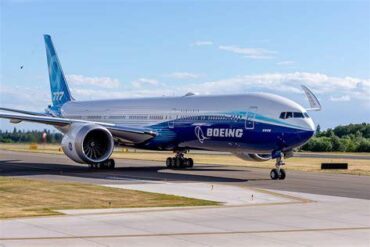
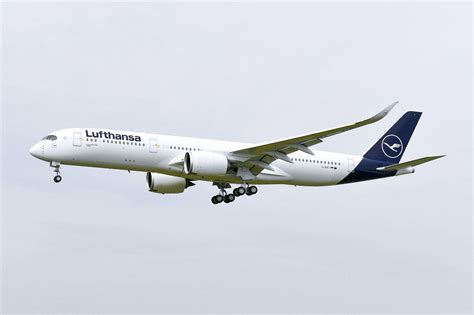
The fleet strategy further extends to wide-body modernization. From 2026 onward, Lufthansa plans deeper utilization of the Boeing 787 and Airbus A350, both prized for fuel efficiency and lower maintenance requirements. The company aims to pair these aircraft with upgraded cabin products and enhanced catering across all long-haul segments, transforming them into higher-yield assets.
Retiring Older Aircraft to Boost Efficiency and Revenue
Lufthansa is phasing out older models such as the Airbus A330ceo and A340, which are more expensive to operate and less attractive to passengers. Eliminating fuel-hungry aircraft serves a dual purpose: lowering emissions in line with regulatory expectations and tightening unit costs across the long-haul network.
Ritter described the coming year as one defined by a sharper focus on “profitability and productivity,” reflecting the group’s intention to move from recovery mode into strategic expansion. With new aircraft delivering lower cost per available seat kilometer (CASK) and improved passenger appeal, Lufthansa expects yield improvements as premium cabins recover and business travel gradually stabilizes.
Lufthansa’s Long-Term Strategy Tackles Historical Weaknesses
For decades, Lufthansa’s mainline carrier has been considered the group’s most challenging business segment, grappling with higher labor expenses and inherited structural inefficiencies. The ongoing turnaround plan directly targets these issues. Management aims to simplify operations, streamline overhead, and eliminate cost leakages that previously hindered competitiveness.
In aviation, long-term sustainability is often tied to continuous fleet renewal and operational adaptability. Airlines that deploy younger aircraft benefit from lower fuel burn, reduced maintenance complexity, and enhanced customer satisfaction — all key ingredients for improving load factors and revenue per passenger. Lufthansa’s deepened reliance on the 787 and A350 reflects a commitment to this model.
Dynamic Staffing and Fleet Deployment Shape Post-Pandemic Competitiveness
Revised labor and deployment agreements place Lufthansa in alignment with global legacy carriers seeking post-pandemic resilience. The ability to staff dynamically, push aircraft utilization, and avoid bloated reserve fleets offers a competitive advantage. These changes are essential in a European market characterized by tight margins and emerging pressure from low-cost rivals.
The company’s wider restructuring — including administrative job cuts extending to 2030 — reflects a candid acknowledgment of industry realities. As the airline prepares to navigate rising fuel costs, volatile markets, and evolving travel behaviors, its transformation blueprint is designed to secure long-term stability rather than short-lived gains.
Long-Haul Growth and Enhanced Passenger Experience
Beyond finances, Lufthansa is laying groundwork for a more ambitious long-haul expansion strategy. The introduction of newly certified cabin seats and upgraded onboard experiences positions the airline to attract higher-paying premium travelers. This comes at a moment when global long-haul demand is strengthening, especially on transatlantic and Asia-bound routes.
Lufthansa’s multi-hub operations — including Frankfurt, Munich, Zurich, Vienna, and Brussels — remain integral to its network philosophy. By leveraging each hub’s strengths, the airline strengthens connectivity, boosts resilience, and widens its revenue base. The 2026 profitability plan dovetails with this approach, signalling a sharpened focus on network performance.
A New Era Taking Shape for Germany’s Flag Carrier
Lufthansa’s commitment to fleet renewal, operational reform, and service improvement points to a carrier redefining itself for a new aviation era. What once appeared to be a prolonged struggle against legacy constraints is beginning to look like a disciplined transformation supported by clear productivity tools and modern aircraft economics.
If current plans hold, 2026 could mark a structural shift — not only a return to profitability but the emergence of a more flexible, efficient, and competitive Lufthansa. The airline’s long-term trajectory will depend on continued execution, but early indicators suggest a confident path forward for Germany’s largest carrier.