Understanding Airline Revenue Management
Airline revenue management is a sophisticated discipline that enables commercial airlines to maximize their profitability by strategically managing pricing, capacity, and customer behavior. At its core, it relies on the principles of forecasting, dynamic pricing, and inventory control—all driven by powerful data analytics tools. In an industry plagued by high fixed costs, volatile demand, and tight profit margins, mastering revenue management is not just advantageous—it’s imperative.
Before diving deeper, it’s essential to distinguish the airline industry from the broader aviation industry. While aviation encompasses all air-related activities—from aerospace manufacturing to pilot training—the airline industry is narrowly focused on the commercial transport of passengers and cargo.

The Evolution of Airline Revenue Management
The origin of revenue management lies squarely within the airline sector. In the 1970s and 1980s, with the advent of computerized reservation systems and deregulation, airlines began experimenting with pricing flexibility. What followed was a revolution: airlines could now match supply with demand in real time, adjusting prices based on booking patterns, market trends, and competitive behavior.
As computing power grew and big data emerged, the discipline matured. Modern systems now use AI and machine learning algorithms to conduct real-time price optimization, fare class allocation, and inventory segmentation, resulting in unprecedented revenue control.

What Is Revenue Management in Aviation?
Revenue management refers to the application of data-driven strategies to sell the right product to the right customer at the right time, for the right price. For airlines, this primarily involves:
-
Predicting future demand and customer booking behavior.
-
Setting optimal prices for tickets and ancillary services.
-
Allocating limited seat inventory to different fare classes.
The result is a pricing ecosystem where not all customers are treated equally—but rather, where pricing reflects value sensitivity, timing of purchase, and market dynamics.
Revenue Management System (RMS): The Digital Brain
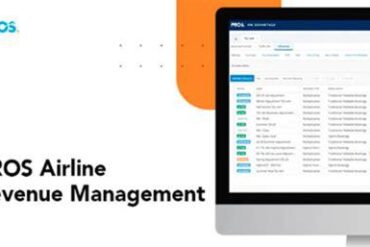
Modern airlines rely on Revenue Management Systems (RMS) to execute their strategies. These platforms ingest data from a wide array of sources, including:
-
Historical booking trends
-
Competitor pricing data
-
Passenger profiles
-
Weather and event data
With this information, the RMS can adjust pricing dynamically, often in milliseconds, ensuring the airline capitalizes on every opportunity to maximize yield. Advanced RMS platforms integrate AI tools to fine-tune predictions and automatically manage overbooking strategies, fare fences, and customer segmentation.
Dynamic Pricing: The Heart of the Strategy
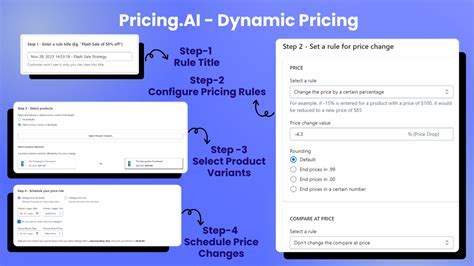
Dynamic pricing is the most visible—and perhaps most controversial—aspect of airline revenue management. It allows carriers to adjust prices on the fly, based on variables like:
-
Current load factors
-
Time remaining before departure
-
Competitive activity
-
Macroeconomic signals (e.g., fuel prices, inflation)
When demand spikes—such as during sporting events or holidays—airlines raise fares. Conversely, when demand is soft, they deploy discounts or bundled promotions to stimulate sales. This is especially vital given that each empty seat per flight equates to lost potential revenue that cannot be recovered post-departure.
Passenger Profiling and Segmentation
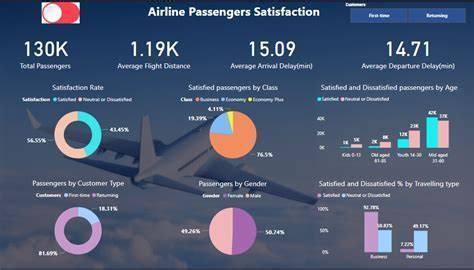
A critical part of maximizing revenue involves passenger profiling. Airlines typically segment travelers into groups such as:
-
Business travelers, who value flexibility and book last-minute
-
Leisure travelers, who are price-sensitive and book early
-
Premium passengers, who pay for comfort and convenience
These insights guide pricing decisions, seat allocations, and even the design of fare conditions (e.g., change fees, cancellation policies). Airlines also use loyalty program data to anticipate spending behavior and target offers accordingly.

Demand Forecasting and Predictive Analytics
Accurate demand forecasting is the cornerstone of effective airline revenue management. Gone are the days of relying solely on historical booking curves. Today’s systems incorporate:
-
External demand signals like event calendars, public holidays, and global disruptions
-
Real-time competitor fare scans
-
Macro-economic indicators such as GDP growth or consumer confidence
By combining these inputs, airlines achieve highly accurate booking forecasts, empowering them to make granular pricing and inventory decisions weeks—or even months—in advance.

Machine Learning and Artificial Intelligence in Action
AI and machine learning are transforming the airline industry’s approach to revenue management. These tools can:
-
Learn from patterns in past and current data
-
Continuously refine pricing models
-
Optimize ancillary upselling opportunities, including luggage, meals, and lounge access
-
Enhance recommendation engines for cross-selling during the booking process
Machine learning not only improves accuracy but enables scenario modeling that prepares airlines for unexpected disruptions, such as weather events or geopolitical crises.
Yield Management: Fine-Tuning Profit per Seat
Yield management refers specifically to managing inventory based on expected revenue per seat. Airlines adjust fare buckets in real time based on:
-
Booking pace
-
Competitor actions
-
Operational constraints (e.g., aircraft swaps or crew availability)
A flight with high advance demand might close lower fare classes early, ensuring that only higher-paying customers book remaining seats. Conversely, low-demand flights may open up discounts closer to departure. This careful balancing act ensures maximum yield from each available seat.
Role of OTAs and Global Distribution Systems (GDS)
While airlines would prefer direct bookings, Online Travel Agencies (OTAs) and Global Distribution Systems (GDS) are indispensable tools for broader market penetration. However, this comes at a cost: high commissions and loss of control over customer data and pricing flexibility.
Airlines now use RMS to fine-tune offers across all sales channels. A strategy called channel optimization helps determine:
-
Which products to promote directly
-
When to undercut or oversell on OTAs
-
How to balance distribution cost vs. revenue gain
Challenges: Seasonality, Competition, and Sustainability
Despite advanced systems, airlines still face significant hurdles. Seasonality—especially in markets with peak summer or holiday traffic—makes capacity planning and price optimization highly volatile. During off-peak seasons, overcapacity leads to margin erosion, unless mitigated by careful yield control.
The competitive landscape also presents issues. With low-cost carriers (LCCs) offering bare-bones pricing, legacy airlines must use revenue management to justify higher fares by offering value-added services or loyalty incentives.
Environmental concerns further complicate profitability. As passengers demand sustainable aviation practices, revenue strategies must absorb the cost of carbon offsets, sustainable fuels, and green technology investments—without pricing out customers.
Revenue Management vs. Yield Management
While the terms are often used interchangeably, revenue management and yield management serve distinct functions:
-
Revenue management covers total revenue strategy, including ancillary products, dynamic pricing, and market segmentation.
-
Yield management zeroes in on pricing per seat or unit, managing availability and maximizing return on inventory.
In essence, yield management is a subset of the broader revenue optimization framework.
Role of Consultants in Revenue Management
Given the complexity, many airlines employ revenue management consultants to:
-
Audit current RMS capabilities
-
Rebuild forecasting models
-
Train internal pricing teams
-
Design revenue-centric route planning strategies
These consultants offer cross-industry expertise, introducing best practices from hospitality, logistics, and retail sectors to help airlines stay competitive.

Frequently Asked Questions (FAQs)
What is the biggest revenue driver for airlines?
Passenger ticket sales remain the dominant source of revenue, often accounting for over 70% of airline income. Other contributors include cargo services, baggage fees, onboard sales, and loyalty partnerships.
How do airlines forecast demand for flights?
Airlines use predictive analytics and AI tools to analyze booking patterns, external events, competitor behavior, and macroeconomic indicators. This allows them to accurately forecast demand and adjust prices accordingly.
Why are airline prices so inconsistent?
This is due to dynamic pricing—a core revenue management tactic. Fares change based on demand fluctuations, booking timing, and market competition. The same seat can cost vastly different amounts depending on when and how it’s purchased.